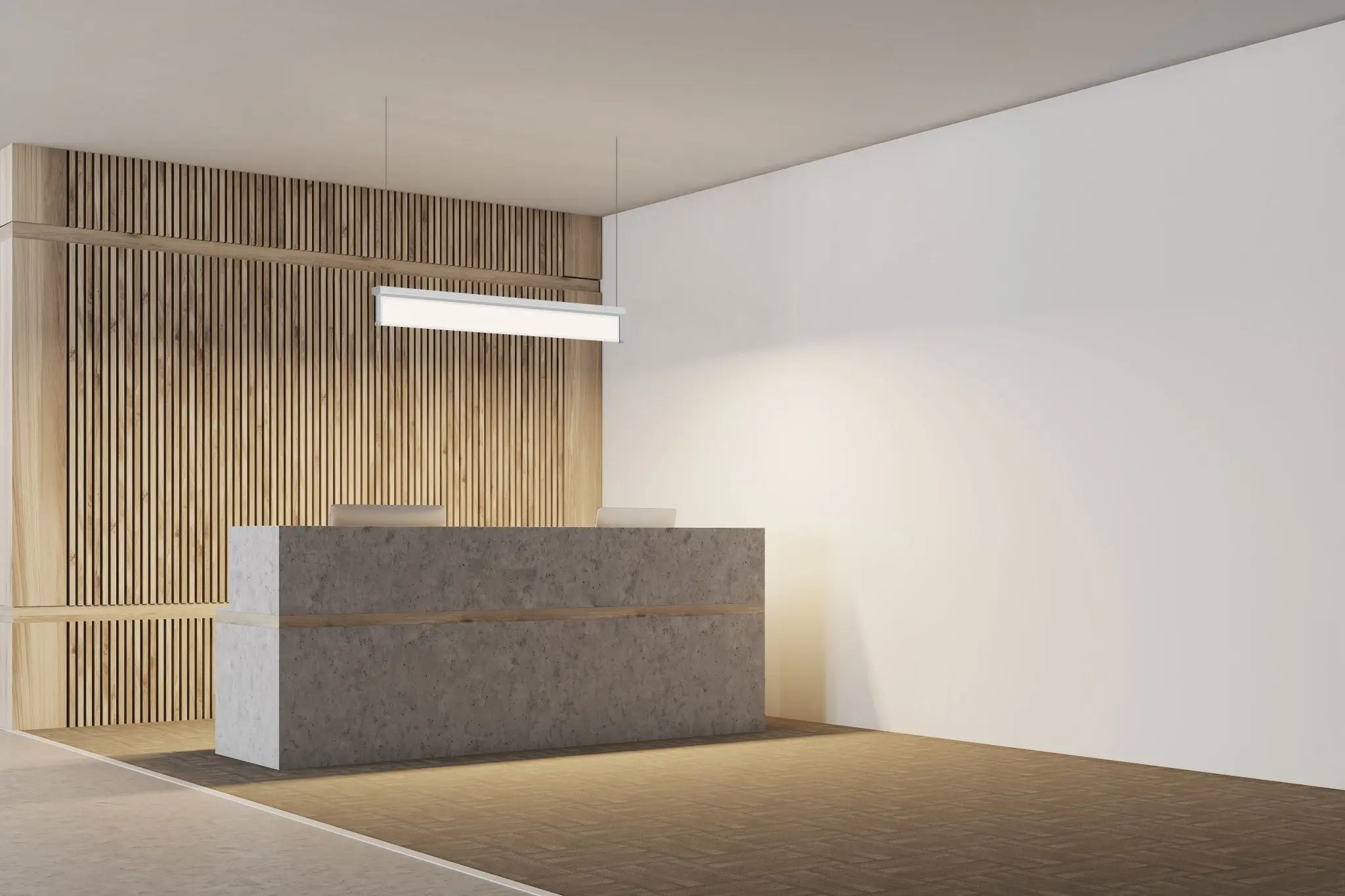
Large commercial builds often require hundreds or even thousands of fixtures, which makes lighting procurement a major part of a contractor's budget. Ordering fixtures individually rarely works for warehouses, retail chains, or large renovations. Contractors usually rely on bulk LED lighting orders to control costs and keep installation schedules predictable. Resources like The JQZ Lighting Journal help professionals understand product options, certifications, and sourcing strategies before placing large orders. When the planning is done right, bulk purchasing can reduce material costs, simplify installations, and avoid delays that slow down entire projects.
Why Contractors Choose Bulk LED Lighting for Commercial Projects
Commercial lighting projects demand consistency. When a contractor installs fixtures across a warehouse, shopping center, or office complex, every unit must deliver the same brightness, color temperature, and mounting design. Ordering in bulk helps maintain that consistency while lowering overall procurement costs.
An LED lamp is an electric light that produces illumination using light emitting diodes, which are far more energy efficient than traditional incandescent or fluorescent lamps according to the LED lamp overview on Wikipedia. Because LEDs consume less energy and typically last longer, they have become the standard for new commercial installations.
Bulk purchasing gives contractors several practical advantages:
- Lower per unit pricing from wholesale suppliers
- Consistent product specifications across an entire project
- Fewer shipments and simpler logistics
- Easier warranty management
- Faster project completion due to product availability
Large commercial lighting jobs often succeed or fail based on procurement timing. Ordering fixtures in bulk early helps prevent supply delays that affect electrical crews and general contractors.
Project managers who regularly consult resources such as The JQZ Lighting Journal often plan lighting purchases during early design phases rather than waiting until installation begins.
Types of LED Fixtures Commonly Ordered in Bulk
Commercial contractors rarely purchase just one type of fixture. Most buildings require multiple lighting categories depending on ceiling height, environment, and application. Bulk orders typically combine several fixture types in a single procurement request.

Choosing the correct fixture type early helps reduce redesign costs later in the project. Electrical contractors also prefer standardized models because installation teams become familiar with mounting methods and wiring configurations.
Common Fixture Categories for Bulk Commercial Orders
| Fixture Type | Typical Application | Why Contractors Buy in Bulk |
|---|---|---|
| LED High Bay Lights | Warehouses, factories, gyms | High ceilings require many identical fixtures for uniform lighting |
| LED Panel Lights | Offices, schools, medical buildings | Drop ceilings require consistent sizes and color temperature |
| LED Tube Lights | Retrofits replacing fluorescent tubes | Simple replacement across hundreds of fixtures |
| LED Wall Packs | Exterior security lighting | Installed along building perimeters |
| LED Parking Lot Lights | Outdoor commercial parking areas | Large properties require many poles with identical fixtures |
Contractors also look for UL or ETL certification and DLC listing when selecting fixtures. These certifications signal that products meet electrical safety and performance standards, and they may also help qualify projects for utility rebates in many regions.
Many contractors review product comparisons and fixture guides through industry resources such as The JQZ Lighting Journal before finalizing bulk specifications.
How Bulk Purchasing Improves Project Cost Control
Lighting can represent a noticeable share of electrical project costs. Bulk LED procurement helps contractors manage budgets more effectively while still delivering high performance lighting.
A key factor is pricing efficiency. Wholesale suppliers often offer tiered pricing that lowers the cost per fixture as quantities increase. For projects installing hundreds of lights, the savings can become substantial.
Research related to construction productivity shows that material planning strongly influences project efficiency, according to work by Dozzi and AbouRizk on construction productivity published by Wiley in 2022. Better procurement planning reduces idle time for crews and prevents costly delays.
Contractors usually approach bulk purchasing with a structured plan:
- Estimate fixture counts during the design phase.
- Confirm lighting layouts and wattage requirements.
- Select certified fixtures that match project specifications.
- Order surplus units to cover damage or future replacements.
Cost Factors Contractors Evaluate Before Bulk Orders
| Factor | Why It Matters | Contractor Impact |
|---|---|---|
| Unit price | Wholesale discounts lower overall cost | Improves project profit margin |
| Shipping speed | Fast delivery prevents installation delays | Keeps electrical crews on schedule |
| Warranty coverage | Commercial fixtures often include multi year warranties | Reduces maintenance risk |
| Energy efficiency | Lower wattage reduces operating costs | Attractive to building owners |
Contractors working on multiple projects often standardize a small group of fixture models. That strategy simplifies ordering, installation, and long term maintenance across multiple buildings.
Key Supplier Features Contractors Should Look For
Not all wholesale lighting suppliers operate the same way. For contractors managing large commercial builds, reliability and support often matter more than the lowest possible price.

A dependable supplier should provide technical documentation, product certifications, and responsive support during the ordering process. Bulk projects also benefit from suppliers that can ship large quantities quickly.
Essential Qualities of a Commercial LED Supplier
- Verified product certifications such as UL, ETL, or DLC listings
- Consistent inventory availability for large orders
- Clear photometric data and spec sheets for lighting design
- Reliable shipping timelines for project scheduling
- Bulk order support via direct communication with sales teams
Contractors also value suppliers who can handle mixed fixture orders. For example, a warehouse project might require high bay lights indoors while the exterior requires parking lot lights and wall packs.
Educational resources such as The JQZ Lighting Journal often help contractors evaluate product specifications and understand the differences between fixture types before contacting a supplier.
Sustainability and Energy Efficiency Driving LED Demand
Energy efficiency remains one of the main reasons commercial projects switch to LED lighting. Compared with older lighting technologies, LED fixtures typically require less electricity while delivering equal or greater brightness.
Sustainability research continues to highlight the importance of efficient technologies in reducing environmental impact. A 2024 study published in RSC Sustainability explored sustainable laboratory practices and emphasized the importance of energy efficient equipment in reducing operational energy use. Efficient lighting plays a similar role in commercial facilities where lights may operate for many hours each day.
Why LED Lighting Supports Sustainable Buildings
- Lower electricity consumption compared with traditional lamps
- Longer operational lifespan reduces material waste
- Reduced maintenance trips for replacement bulbs
- Compatibility with smart controls and occupancy sensors
Many building owners also pursue energy rebates offered by utilities. Fixtures that meet DLC efficiency standards often qualify for these programs, which can offset installation costs.
Contractors planning sustainable commercial projects frequently consult guides and product comparisons available through The JQZ Lighting Journal platform to identify certified fixtures that meet rebate requirements.
What to Expect for Commercial LED Procurement in 2026 and Beyond
The commercial lighting market continues to shift toward higher efficiency fixtures, integrated controls, and simplified installation systems. Contractors ordering in bulk are paying closer attention to features that reduce installation time and long term operating costs.
Manufacturers now design many commercial fixtures with modular drivers and simplified mounting hardware. These improvements shorten installation time, which helps electrical teams complete projects faster.
Trends Affecting Bulk LED Orders
Trends Affecting Bulk LED Orders
- Increasing demand for integrated lighting controls and occupancy sensors
- Growth in high efficiency DLC listed fixtures for rebate eligibility
- More modular fixture designs that simplify maintenance
- Faster logistics expectations from contractors and developers
Supply chain reliability also remains a priority. Contractors increasingly prefer suppliers that maintain strong U.S. inventory and fast dispatch times so projects can continue without interruption.
Conclusion
Bulk LED lighting orders have become standard practice for contractors working on commercial buildings, warehouses, and large renovation projects. Ordering fixtures in volume helps control costs, maintain product consistency, and keep installation schedules on track.
Contractors who evaluate certifications, supplier reliability, and fixture performance early in the design phase usually avoid the delays and mismatched products that slow projects down. Educational resources such as The JQZ Lighting Journal can also help contractors compare fixture categories, understand certifications, and plan bulk purchases more effectively.
If you regularly manage commercial lighting installations, start reviewing product specifications and wholesale options before your next project begins. The right procurement strategy can save time, reduce costs, and make large lighting installations far easier to manage.