A commercial LED fixture may advertise a five‑year warranty, but that doesn't always mean five years of full protection. Many building owners discover too late that the warranty only covers the product itself, not labor, shipping, or installation costs. Understanding how LED warranties work can save thousands during large lighting upgrades. At The JQZ Lighting Journal, facility managers and contractors often ask the same question: what does a commercial LED lighting warranty actually guarantee? The answer involves more than just the number of years printed on the box.
What a Commercial LED Lighting Warranty Actually Covers
A commercial LED lighting warranty is a manufacturer's promise that the fixture will be free from defects in materials and workmanship for a specific period. If the product fails due to those issues during the warranty window, the manufacturer typically replaces or repairs it.
An LED lamp, defined as an electric light that produces illumination using light‑emitting diodes, is widely used in commercial environments because it consumes far less energy than incandescent or fluorescent lighting. According to Wikipedia's LED lamp overview, LEDs are significantly more energy efficient than traditional lamps, which explains why many businesses upgrade entire facilities at once.
Still, warranties are often misunderstood. In most commercial lighting programs, coverage focuses on the fixture itself, not the labor involved in installation or replacement.
Many standard LED warranties cover the replacement product only, meaning labor, lift rental, or electrician costs may not be included.
Typical Elements Included in a Warranty
Most commercial lighting warranties include several basic protections:
- Manufacturing defects in the fixture
- Faulty drivers or internal electronics
- Early failure of LED chips or modules
- Product replacement during the warranty period
Manufacturers usually require proof of purchase and proper installation documentation before approving claims.
What Is Usually Not Covered
Even long warranties contain limitations. These exclusions frequently appear in warranty terms:
- Labor or contractor installation costs
- Shipping costs for replacement products
- Damage from improper voltage or wiring
- Use in environments outside the fixture's rating
Property owners planning upgrades should review warranty terms carefully. Articles on The JQZ Lighting Journal often emphasize reading warranty documents before large-scale purchases because installation costs can exceed the cost of the fixtures themselves.
Average Warranty Lengths for Commercial LED Fixtures
Most commercial LED lighting products come with warranties lasting three to five years. This range appears consistently across manufacturers and distributors in the commercial lighting market.

Longer warranties often apply to higher‑quality fixtures such as industrial high bays, outdoor parking lot lights, and DLC‑listed commercial panels.
Typical Warranty Periods by Fixture Type
| Fixture Type | Typical Warranty Length | Notes |
|---|---|---|
| LED Tube Lights | 3–5 years | Common in office retrofits |
| LED Panel Lights | 3–5 years | Used in commercial ceilings |
| High Bay Fixtures | 5 years | Industrial and warehouse lighting |
| Parking Lot Lights | 5 years | Outdoor-rated fixtures |
Higher-end manufacturers sometimes offer extended warranties, but these usually include strict usage conditions.
Hour Limits Hidden in Warranty Terms
Some warranties also include maximum operating hours. Even if the warranty states five years, it might assume the fixture runs only a certain number of hours per day.
For example:
- Retail stores may operate 12–14 hours daily
- Warehouses may run lighting 24 hours
- Outdoor fixtures may operate dusk to dawn
If the operating hours exceed manufacturer limits, coverage could be reduced. This detail becomes important for facilities that run around the clock.
Rated Life vs Warranty: Why the Numbers Are Different
Many commercial buyers confuse LED lifespan ratings with warranty length. These two metrics measure completely different things.
Manufacturers estimate LED longevity using light output depreciation, commonly referred to as L70 lifespan. That measurement indicates how long the LED maintains 70 percent of its original brightness.
A fixture might advertise a 50,000‑hour rated life, but still carry only a five‑year warranty.
Warranty length reflects manufacturer risk tolerance, not the full technical lifespan of the LED components.
Example Comparison: Lifespan vs Warranty
| Metric | What It Means | Example Value |
|---|---|---|
| Rated Life (L70) | Time until brightness drops to 70% | 50,000 hours |
| Warranty | Manufacturer coverage period | 5 years |
| Actual Use | Hours fixture operates daily | 10–24 hours |
This difference exists because several components affect reliability:
- LED chips
- Drivers and power supplies
- Heat management systems
Drivers often fail before LED chips degrade, which is one reason warranty coverage focuses on manufacturing defects rather than light output performance.
Facility managers comparing lighting systems should evaluate both lifespan and warranty, not just one specification. Guides across The JQZ Lighting Journal frequently stress this distinction when planning large warehouse retrofits.
Common Warranty Conditions That Can Void Coverage
A warranty only remains valid when the product is used within its intended operating conditions. Commercial LED manufacturers list specific scenarios that can void coverage.
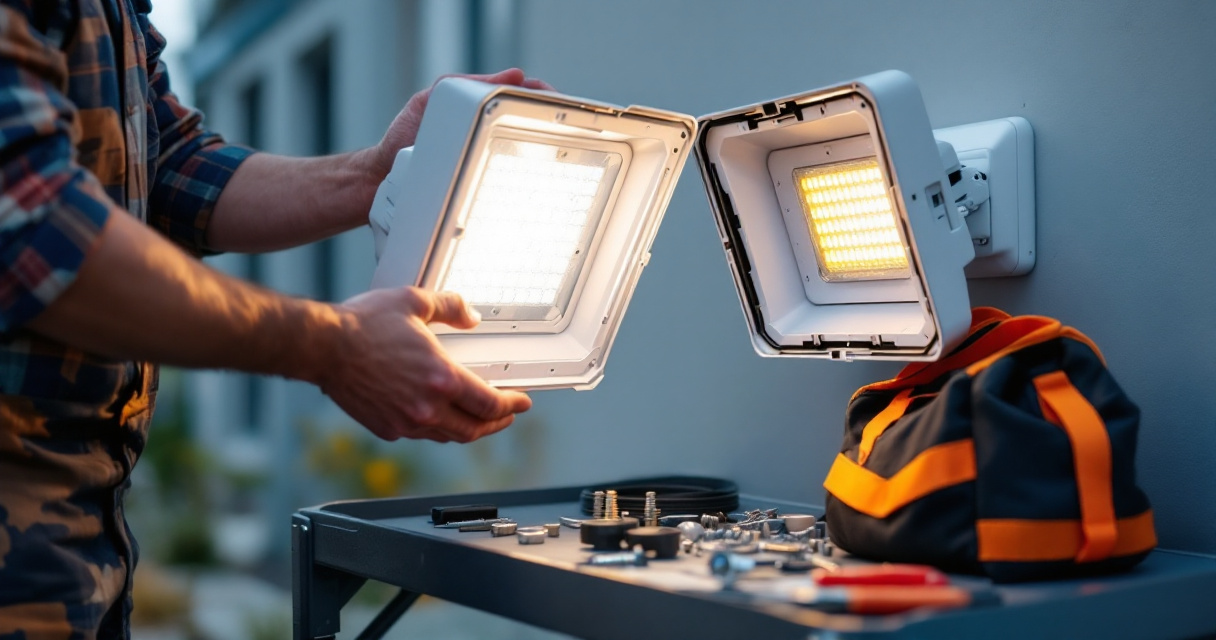
Ignoring these requirements can leave property owners responsible for replacement costs.
Installation and Usage Issues That Invalidate Warranties
- Installing fixtures on incorrect voltage
- Using indoor lights in outdoor environments
- Operating in temperatures outside the rated range
- Modifying drivers or internal wiring
- Improper installation by unqualified technicians
Many lighting warranties also require that the fixture be used in its intended application. For instance, a 12‑volt LED product installed on a higher voltage circuit would void the warranty immediately.
Documentation Required for Warranty Claims
Manufacturers often require detailed documentation before approving replacements.
Typical requirements include:
- Original purchase invoice
- Product model numbers
- Photos or videos of the failure
- Installation details
Large facilities should maintain lighting records for each installation project. Tracking these details simplifies warranty claims years later and helps contractors identify recurring product issues.
Facilities that maintain clear installation records resolve warranty claims faster and reduce downtime during lighting failures.
How to Choose LED Fixtures With Reliable Warranty Support
The length of the warranty matters, but supplier reliability often matters more. A five‑year warranty means little if the distributor cannot deliver replacement products quickly.
Commercial property owners should evaluate several factors before choosing a lighting supplier.
Key Factors When Comparing LED Warranty Programs
- Warranty length and coverage scope
- Product certifications such as UL or ETL
- DLC listing for rebate eligibility
- Replacement turnaround time
- Availability of technical support
Certified fixtures generally offer stronger reliability. Many commercial buyers prefer lighting products that carry both safety certification and rebate eligibility, since these standards often indicate higher manufacturing quality.
Why Distributor Support Matters
Fast warranty processing depends heavily on the distributor handling the order. Suppliers with domestic inventory and quick shipping reduce downtime when failures occur.
Wholesale distributors highlighted in The JQZ Lighting Journal often emphasize benefits such as:
- Same‑day or next‑day shipping
- Bulk replacement support
- Large product inventories
For facilities managing hundreds of fixtures, rapid replacement can prevent operational disruptions. Warehouses, retail stores, and parking lots cannot operate safely with large sections of lighting offline.
Conclusion
Commercial LED warranties protect against manufacturing defects, but they rarely cover every cost associated with fixture failure. Most warranties last three to five years, often covering only the replacement product while excluding labor or installation expenses. Understanding rated lifespan, operating conditions, and warranty exclusions helps building owners make better purchasing decisions.
Facility managers planning large lighting upgrades should review warranty terms before placing orders, confirm certification standards, and work with distributors that provide dependable support. For more commercial lighting insights, product comparisons, and installation guidance, explore resources on The JQZ Lighting Journal and use the information to evaluate suppliers before your next retrofit project.