
The wrong led lamp light bulb can make a premium fixture feel harsh, dim, mismatched, or unreliable. LED lamp: an electric light that produces illumination using light-emitting diodes, which Wikipedia describes as significantly more energy-efficient than equivalent incandescent lamps. For commercial owners, contractors, builders, and facility teams, the best choice is not just "LED." It is the right base, shape, lumen output, color temperature, dimming behavior, and heat rating for the lamp. Jqzlighting helps buyers compare those details before projects reach installation day.
What is an LED lamp light bulb?
An LED lamp light bulb is a replaceable bulb designed for lamps and small fixtures that uses light-emitting diodes instead of a heated filament to produce light. In practical terms, it gives you lower energy use, less heat at the shade, longer service life, and more choices in color, shape, and beam style.
Incandescent light bulb: a lamp that creates light by heating a filament until it glows, a process Wikipedia defines as Joule heating.
LED filament bulb: an LED bulb built to imitate the visible glowing strands of a classic incandescent bulb, usually for decorative lamps, sconces, and hospitality interiors.
Key insight: Treat the bulb as part of the lamp design, not a generic replacement part. Fit, glare, dimming, and color quality decide whether the fixture works well in the real room.
LED technology also extends beyond everyday lighting. Research such as Capaldo, Ravelli, and Fagnoni's 2021 review on light-driven chemical reactions in Chemical Reviews shows how controllable LED light sources are used in scientific applications, not only building products (study). For lamp buyers, that same control shows up as tunable color, compact bulb forms, and lower heat output.
How do you choose the right LED bulb for a lamp?
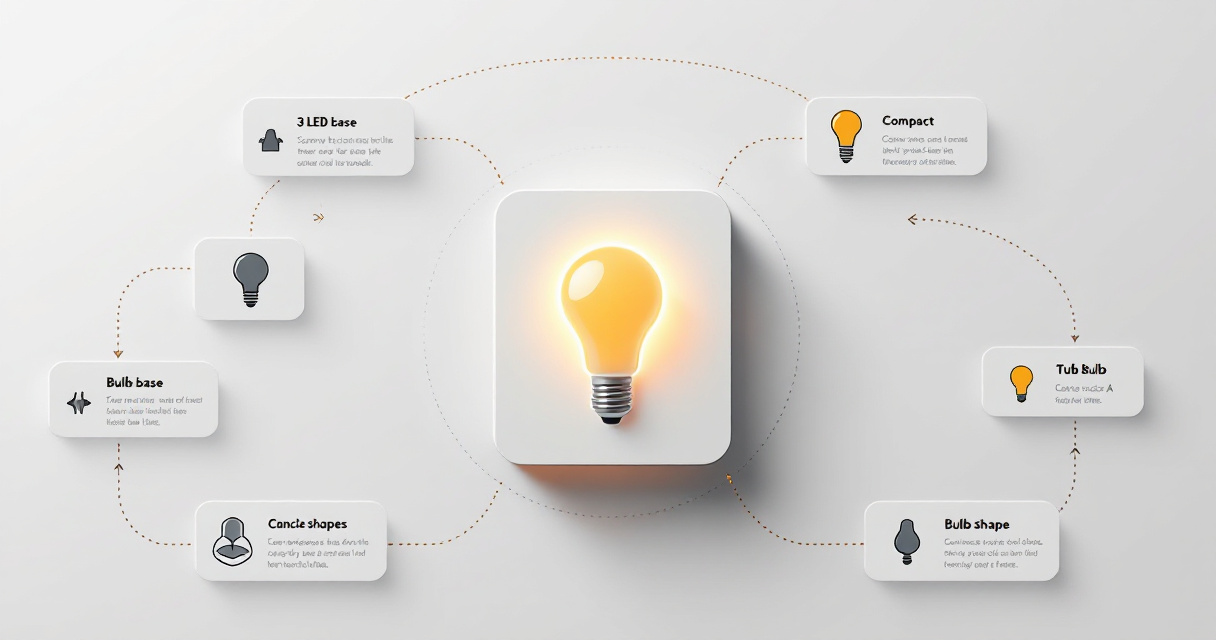
Choose the right LED bulb for a lamp by matching the base first, then selecting the bulb shape, brightness, color temperature, dimming compatibility, and shade rating. A good selection process starts with the fixture label and ends with a visual check for glare, proportion, and clearance inside the shade.
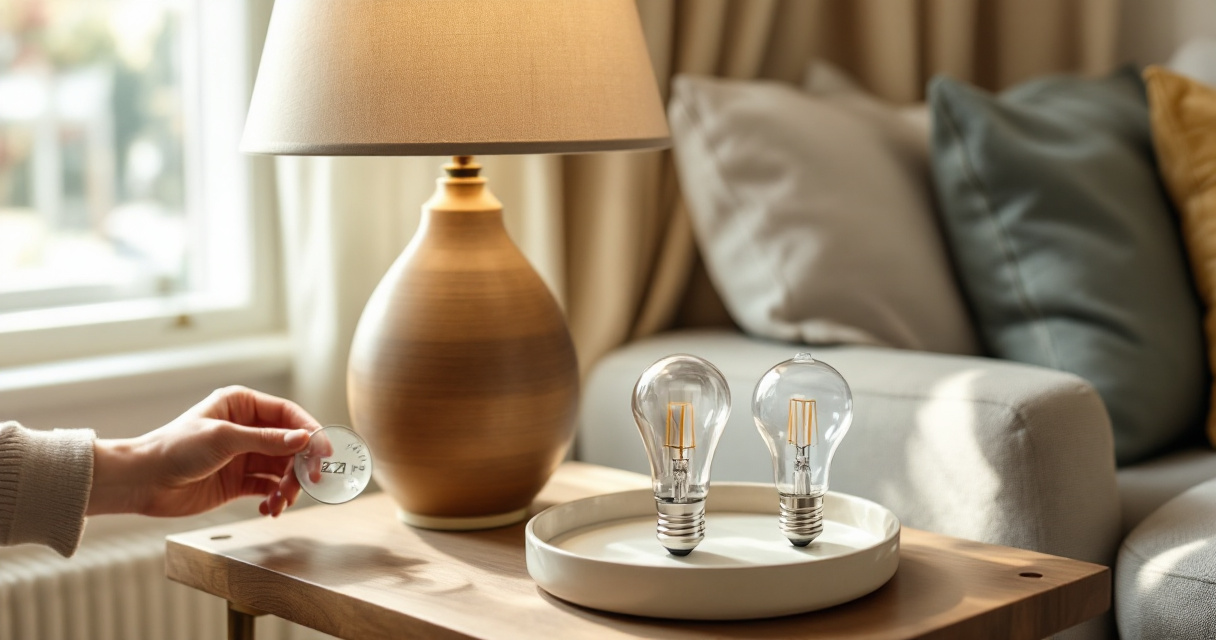
- Check the base code: Common lamp bases include E26 medium screw, E12 candelabra, GU10 twist-lock, and G9 bi-pin.
- Match the bulb envelope: A19, A15, B11, G16.5, T10, and ST shapes all sit differently in shades.
- Select lumens, not watts: Watts describe power use, while lumens describe visible light.
- Pick the color temperature: Warm light suits lounges and hospitality; neutral light suits task areas.
- Confirm dimmer compatibility: Not every dimmable LED works well with every wall dimmer.
- Review enclosure rating: Enclosed glass or fabric shades can trap heat around the bulb.
Quick pick chart by lamp type
| Lamp type | Best bulb style | Common base | Practical selection tip |
|---|---|---|---|
| Table lamp | A19 or A15 | E26 | Use warm or soft white for lounges, bedrooms, and reception areas |
| Floor lamp | A19, A21, or torchiere-rated LED | E26 | Choose higher lumens when the shade throws light upward |
| Desk lamp | A15, G9, GU10, or compact A19 | E26, G9, GU10 | Use neutral white for clearer reading and task visibility |
| Decorative lamp | B11, ST, G16.5, or filament LED | E12 or E26 | Choose clear glass only when glare will not face the user |
| Hotel or restaurant accent lamp | Low-glare filament or frosted LED | E12 or E26 | Keep color consistent across all fixtures in the same room |
| Enclosed shade lamp | Enclosed-rated LED | Varies | Check the bulb packaging or specification sheet before installation |
Contractors should standardize a short approved list for repeat projects. That prevents mixed color temperatures, odd bulb heights, and uneven dimming across rooms that are supposed to look consistent.
Which base, shape, and color temperature should you buy?
The best base, shape, and color temperature are the ones that match the lamp socket, shade geometry, and room purpose. Base size determines electrical fit, bulb shape determines appearance and light spread, and color temperature determines whether the space feels warm, neutral, or crisp.
Base and shape details that prevent returns
Most North American table and floor lamps use an E26 medium base, while chandeliers and decorative lamps often use E12 candelabra bulbs. Specialty task lamps may use GU10, G9, or other compact bases, so installers should never rely on appearance alone.
Bulb shape matters because lamps are visible objects. An A19 bulb may work electrically but look too bulky in a slim bedside lamp. A B11 candelabra bulb may fit a shade beautifully, while an exposed ST filament bulb can become a design feature in retail, restaurant, or lobby spaces.
Color temperature choices for common spaces
- Warm white: Best for hospitality, bedrooms, lounges, waiting areas, and decorative fixtures.
- Soft white: A flexible choice for general lamps where comfort matters more than task detail.
- Neutral white: Useful for offices, desks, showrooms, stockrooms, and reading lamps.
- Daylight: Best used carefully, since it can feel too sharp in decorative or relaxation areas.
The competitor results show many retailers organize bulbs by product type, availability, size, and features. A stronger buying process adds lamp context. A "small daylight LED bulb" may sound useful, but a small clear bulb in a clear shade can cause visible glare. A frosted bulb may solve the same need with less eye strain.
What compatibility issues matter before installation?
Compatibility issues that matter before installation include dimmer type, enclosed-shade heat buildup, bulb length, minimum load, flicker, and glare. These are the problems that usually appear after a project looks complete, so they belong in the specification phase rather than the punch list.
Installation checks for contractors and facility teams
- Dimmer pairing: Use LED-compatible dimmers, and test low-end dimming before ordering in volume.
- Shade clearance: Make sure the bulb does not touch glass, metal, paper, or fabric shades.
- Heat rating: Use enclosed-rated bulbs in sealed globes, tight sconces, and covered lamps.
- Visual cutoff: Choose frosted bulbs where the diode surface is visible from seated eye level.
- Lamp switch type: Some touch lamps, three-way lamps, and smart plugs need specific bulb support.
- Spec consistency: Keep one color temperature and style per room unless the design calls for contrast.
A common mistake is replacing every incandescent bulb with the brightest LED equivalent available. More light is not always better. In a shaded table lamp, excess brightness can create a hot spot on the shade, bounce off glossy surfaces, and make a guest area feel clinical instead of comfortable.
For renovation teams, sample testing is worth the time. Install three candidate bulbs in the actual lamp, view them during the day and at night, then check the shade from standing and seated positions. That simple test catches glare, color mismatch, and dimming problems before procurement scales.
How should commercial buyers source LED lamp bulbs in 2026?
Commercial buyers should source LED lamp bulbs in 2026 by building a fixture-specific schedule, approving samples, and documenting replacement standards. The market now offers many LED bulb forms, so the best results come from controlled selection rather than one-off purchasing.
A practical sourcing checklist
- Create a room-by-room lamp schedule: Include base, shape, lumens, color temperature, dimming, and enclosure needs.
- Keep spare stock consistent: Store labeled replacements so maintenance teams do not mix colors or shapes.
- Prioritize human comfort: Use glare control and warm tones in guest-facing areas.
- Use neutral task light where work happens: Offices, counters, desks, and inspection spaces need clearer visibility.
- Document approved alternates: Supply changes happen, so list acceptable substitutes before they are needed.
The Jqzlighting platform is especially useful when buyers need to narrow product choices by fixture type, project role, and installation setting. For larger rollouts, that kind of filtering can save time because electrical contractors, facility managers, and owners can discuss the same product requirements before ordering.
Looking ahead, expect more decorative filament LEDs, better low-end dimming, and more lamp bulbs designed for tight shades and decorative glass. Scientific work on light-driven systems, including Gong, Ali, and Hiragond's research on photocatalytic conversion in Energy & Environmental Science, also reflects the broader push toward precise light control across industries (study). For building buyers, the near-term win is simpler: better light quality with lower heat and more design flexibility.
FAQ: LED bulbs for lamps
Can any LED bulb go in a table lamp?
No, any LED bulb cannot automatically go in a table lamp. The bulb must match the socket base, fit inside the shade, stay within the fixture's rating, and support any dimmer or three-way switch used by the lamp. Enclosed shades need special attention because trapped heat can shorten bulb life.
What LED bulb shape is closest to a standard lamp bulb?
The A19 shape is closest to the standard household lamp bulb used in many table and floor lamps. Smaller lamps may need A15 bulbs, while decorative lamps often look better with B11, globe, tubular, or filament-style bulbs. Always check shade clearance before buying in quantity.
Is warm white or daylight better for lamps?
Warm white is usually better for decorative lamps, hospitality settings, bedrooms, lounges, and reception spaces because it feels softer. Daylight can help in task lamps, workshops, and inspection areas, but it may look too stark in comfort-focused rooms. Neutral white is often the balanced choice for desks.
Why do some LED lamp bulbs flicker on dimmers?
Some LED lamp bulbs flicker because the dimmer, driver, and bulb electronics are not matched. Older dimmers were often designed around incandescent loads, while LEDs use far less power. Use dimmable bulbs, LED-rated dimmers, and field testing when a project includes many lamps.
Conclusion
A good led lamp light bulb choice starts with the socket, but it should never stop there. Confirm the base, shape, lumens, color temperature, dimming behavior, shade clearance, and enclosure rating before you buy. For commercial spaces, create a simple lamp schedule and approve physical samples before full installation. To compare options for your next project, visit jqzlighting.com or work with Jqzlighting to match bulbs to the fixtures, rooms, and user experience you need.