
A lighting bulb looks simple until you have to match wattage, base code, beam angle, fixture rating, color temperature, and replacement rules across a whole property. For commercial buildings, warehouses, retail stores, and renovations, the right choice affects visibility, maintenance time, energy use, and occupant comfort. Jqzlighting helps buyers think beyond "does it fit?" and toward "does it perform correctly for this space?"
What is a lighting bulb?
A lighting bulb is a replaceable electric light source designed to fit a fixture, convert electrical energy into visible light, and deliver a specified brightness, color appearance, shape, and beam spread for a space.
Lighting bulb: A lamp or bulb used in a fixture to produce illumination, identified by technology type, shape, base, lumen output, wattage, color temperature, voltage, and application rating.
For commercial projects, "bulb" can refer to screw-in lamps, pin-base lamps, low-voltage space lamps, tube lamps, decorative lamps, and retrofit products. The safest selection starts with the fixture label and ends with performance requirements.
Key insight: A correct bulb is not just the one that turns on. It must match the fixture, electrical rating, environment, and lighting task.
Core lighting terms contractors should know
- Lumens: The amount of visible light produced. Use lumens, not watts, when comparing brightness.
- Watts: The electrical power consumed. Lower wattage can still produce high brightness with LED technology.
- CCT: Correlated color temperature, commonly described as warm, neutral, or cool white.
- CRI: Color Rendering Index, a measure of how accurately colors appear under a light source.
- Base code: The connector style, such as E26, E12, GU10, G4, or medium bi-pin.
- Beam angle: The spread of light, important for accent, track, space, and high-ceiling applications.
Which bulb types matter most in 2026?
LED bulbs dominate most 2026 commercial replacement decisions because they offer strong efficiency, long service life, and broad compatibility across standard, decorative, outdoor, and specialty applications.
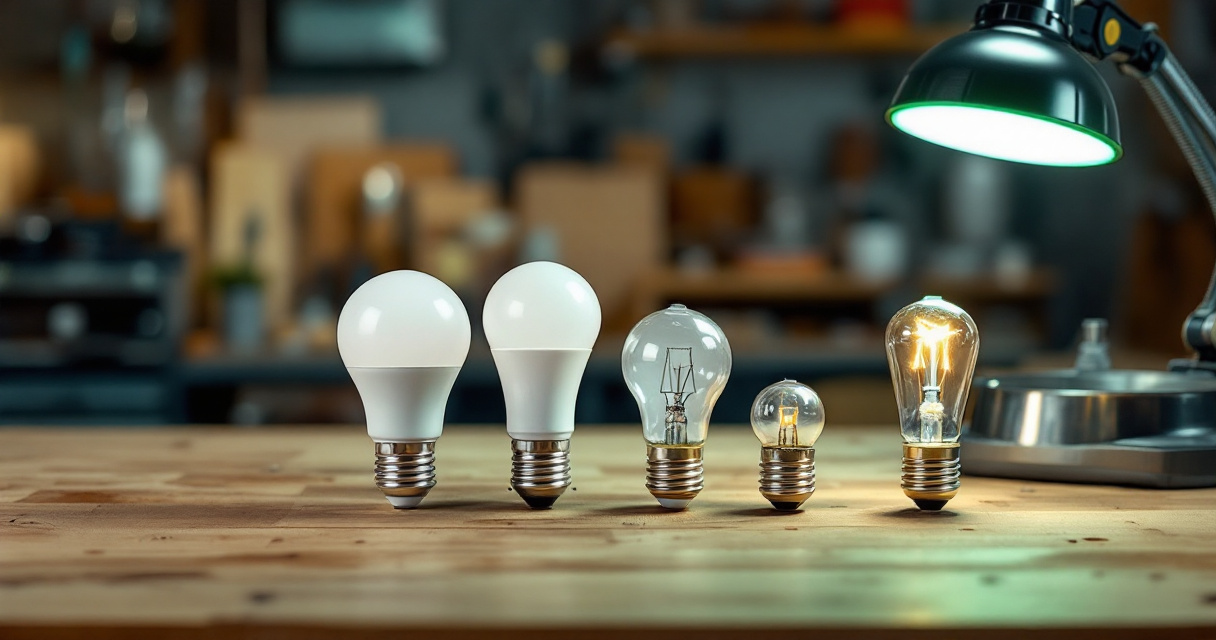
Incandescent lamps still appear in older fixtures and decorative settings, but they are no longer the default choice for most businesses. The provided Wikipedia definition describes an incandescent light bulb as an electric light that produces illumination by heating a filament until it glows, a process known as Joule heating.
Halogen bulbs are a type of incandescent technology that can produce crisp light from a compact capsule. CFLs, or compact fluorescent lamps, were once a common energy-saving option, but many facility teams now replace them with LED alternatives when fixture compatibility allows.
Research on climate and energy policy is one reason efficiency keeps gaining attention. The 2024 Lancet Countdown report examined record-breaking climate and health threats linked to delayed action, while the 2023 Lancet Countdown report covered the need for health-centered climate responses. Lighting is only one building system, but efficient lamps are a practical operational step.
Bulb technology comparison table
| Bulb type | Best use | Main advantage | Watch point |
|---|---|---|---|
| LED | Offices, warehouses, retail, outdoor, general replacement | Efficient, long-lasting, many shapes | Check dimmer and fixture compatibility |
| Incandescent | Legacy decorative fixtures, specialty uses | Warm appearance, simple dimming | Higher energy use and heat output |
| Halogen | Accent, display, some track lighting | Bright, crisp light from compact lamps | Runs hot, less efficient than LED |
| CFL | Older screw-in efficiency upgrades | Lower energy use than incandescent | Contains fluorescent technology and may have slower start-up |
| Low-voltage LED | space, signage, accent lighting | Good control in 12V systems | Requires correct transformer and voltage match |
How do you choose the right bulb shape, base, and size?
Choose the right bulb shape, base, and size by matching the fixture label first, then confirming the lamp envelope, connector code, voltage, wattage limit, and clearance inside the housing.
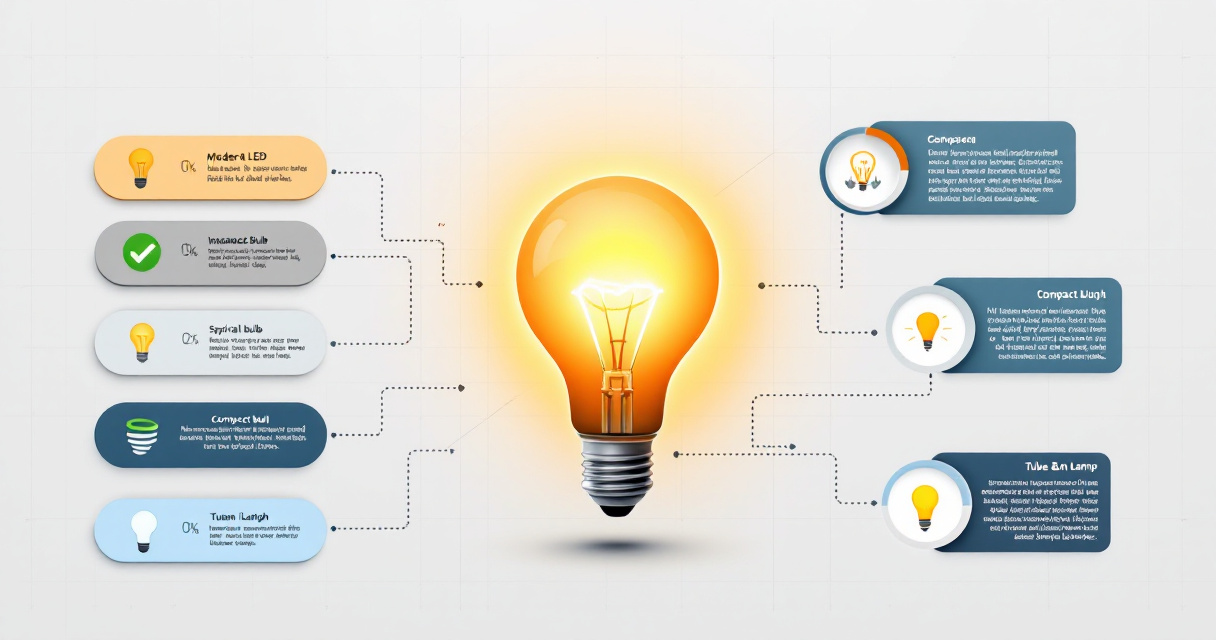
Shape affects how the lamp fits and where the light goes. Base affects electrical connection. Size affects heat, clearance, and optics. For electricians and builders, these details prevent callbacks after a retrofit.
The Jqzlighting platform is useful when you need to organize product choices by application instead of searching by vague descriptions. For example, a retail contractor may need PAR lamps for display lighting, A-shape lamps for utility rooms, and decorative candle lamps for sconces on the same project.
Common bulb shapes and where they fit
| Shape family | Typical codes | Common applications |
|---|---|---|
| A-shape | A19, A21 | General lamps, offices, utility areas |
| BR and R | BR30, BR40, R20 | Recessed downlights, flood lighting |
| PAR | PAR20, PAR30, PAR38 | Track lights, exterior floods, accent lighting |
| MR | MR11, MR16 | Low-voltage accent, space, display lighting |
| Globe | G16.5, G25, G40 | Vanity, decorative, hospitality fixtures |
| Candle | B10, CA10 | Chandeliers, sconces, decorative pendants |
| Tube | T5, T8, T12 | Linear fixtures, offices, warehouses |
| Capsule and bi-pin | G4, G9, GU10 | Specialty, under-cabinet, compact fixtures |
Base codes that prevent ordering errors
- E26: Standard medium screw base common in North America.
- E12: Small candelabra screw base for decorative fixtures.
- GU10: Twist-lock base often used in mains-voltage spotlights.
- G4: Two-pin low-voltage capsule base.
- G13: Bi-pin base used on many T8 linear lamps.
- R7S: Recessed single-contact linear base used in some flood and work light fixtures.
Never force a bulb into a near-match socket. Similar shapes can have different voltages, pin spacing, or locking systems.
How do lumens, CCT, and CRI affect commercial lighting results?
Lumens control brightness, CCT controls whether the space feels warm or cool, and CRI controls how accurately products, finishes, faces, and safety markings appear under the light.
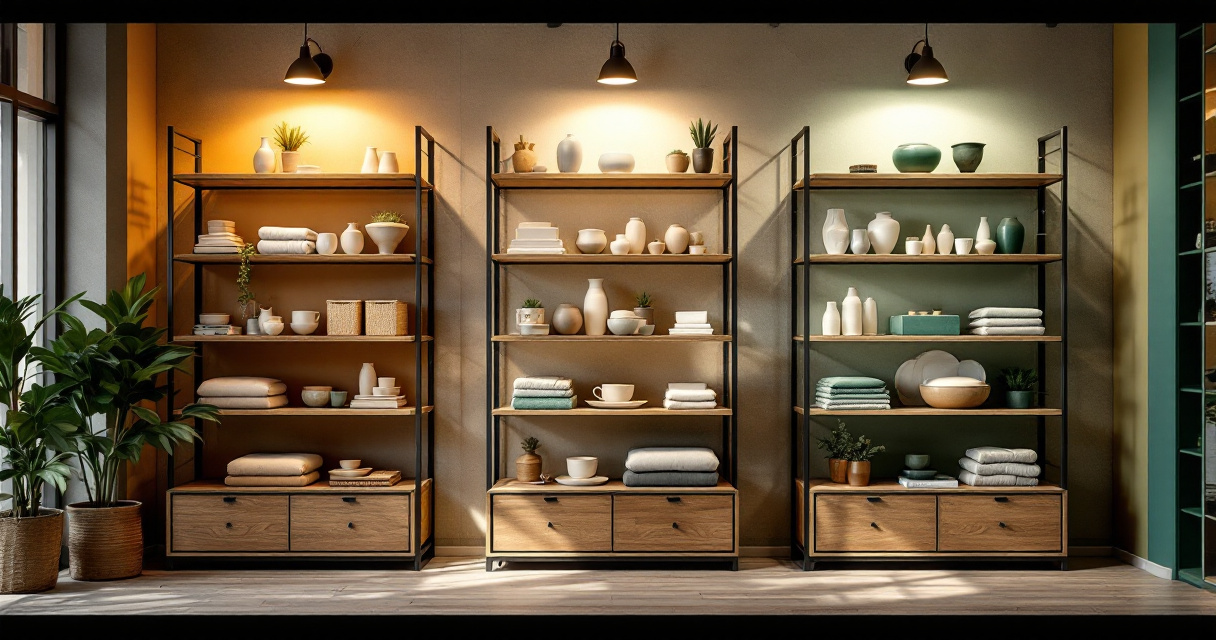
A warehouse aisle, boutique sales floor, loading dock, and apartment corridor should not use the same visual target. The best lamp specification starts with the task performed in the space, then balances brightness, comfort, color, and maintenance needs.
Digital control and energy management are also becoming part of lighting decisions. An editorial reflection by Dwivedi, Hughes, and Kar in the International Journal of Information Management examined whether digital technologies and information management are part of climate problems or solutions. For building teams, smarter lighting controls can support better use patterns when they are planned well.
Practical selection ranges by application
| Application | Brightness priority | Common CCT direction | CRI priority |
|---|---|---|---|
| Retail floor | Medium to high | Warm to neutral | High, for merchandise color |
| Warehouse aisle | High and even | Neutral to cool | Standard to high, depending on labels |
| Office area | Balanced | Neutral | Comfortable, consistent rendering |
| Restaurant or hotel | Mood-focused | Warm | High for finishes and food |
| Exterior security | Coverage-focused | Neutral to cool | Moderate, with glare control |
| Workshop or service bay | High task visibility | Neutral to cool | High for detail work |
Simple decision tree for replacement projects
- Read the fixture label for voltage, wattage limit, lamp type, and location rating.
- Match the base code before comparing brightness or price.
- Choose the shape that fits the housing and delivers the needed beam spread.
- Replace watt thinking with lumen thinking so brightness stays predictable.
- Select CCT by space use: warm for comfort, neutral for work, cool for high-visibility tasks.
- Check dimming and controls if the circuit uses sensors, dimmers, timers, or smart systems.
- Confirm location rating for damp, wet, enclosed, or outdoor fixtures.
What should commercial buyers expect from lighting bulbs in 2027?
Commercial buyers should expect lighting bulbs in 2027 to become more efficient, more application-specific, and more closely tied to controls, code compliance, and retrofit planning.
LED replacement will keep expanding across decorative, outdoor, low-voltage, linear, and high-output categories. The biggest improvement will not be one single lamp type. It will be better matching between lamps, fixtures, sensors, and the way a building is used.
Facility managers should also expect tighter purchasing discipline. A mixed property can quickly accumulate too many lamp types, which makes storage, maintenance, and emergency replacement harder. Standardizing around fewer base codes, CCTs, and lumen packages can simplify operations.
Planning tip: Treat lamp selection as a building standard, not a one-time purchase. A clear approved list helps contractors, maintenance teams, and purchasing staff stay aligned.
For project planning, Jqzlighting can support selection across common bulb categories and commercial applications. If you are comparing replacements for a renovation, retrofit, or new build, visit jqzlighting.com with your fixture labels, target CCT, base codes, and quantity list ready.
FAQ: common lighting bulb questions
What bulb should replace an old incandescent lamp?
Use an LED replacement with the same base, compatible shape, correct voltage, and similar lumen output. Do not match only by wattage, because LED lamps produce more light per watt than incandescent lamps. Check the fixture's maximum wattage and whether it is rated for enclosed or damp locations.
Can I use an LED bulb in any fixture?
Many LED bulbs fit standard fixtures, but not every fixture is compatible. Enclosed housings, dimmer circuits, outdoor exposure, low-voltage transformers, and decorative sockets can require specific lamp ratings. Always check the bulb packaging and fixture label before installing a retrofit lamp.
What color temperature is best for a warehouse?
Warehouses often use neutral to cool white light because it supports visibility, label reading, and movement through aisles. The exact CCT should match the task, mounting height, fixture optics, and glare control needs. Consistency matters, so avoid mixing color temperatures across the same work zone.
Why do two bulbs with the same wattage look different?
Two bulbs with the same wattage can differ in lumens, beam angle, CCT, CRI, and fixture optics. Wattage measures power use, not visual output. For accurate replacement, compare lumen output, color temperature, beam spread, and physical lamp design.
How many spare bulbs should a facility keep?
Keep spares for the lamp types that support safety, operations, and customer-facing areas. A practical stock plan groups bulbs by base, shape, CCT, and location rating. Larger properties should standardize lamps where possible so maintenance teams are not managing dozens of near-duplicate products.
Conclusion
The best lighting bulb choice starts with the fixture label and ends with the space requirement: base, shape, voltage, lumens, CCT, CRI, beam angle, and location rating. For commercial owners, electricians, builders, and facility managers, that checklist reduces wrong orders and improves lighting performance. Build a small approved lamp schedule for each property, standardize where possible, and use Jqzlighting to compare options before the next retrofit or renovation order.