
The wrong lamp can make a store look flat, a warehouse feel dim, or a retrofit job fail inspection. led light bulbs are now the default choice for many commercial replacement projects because they produce light with light-emitting diodes, a technology Wikipedia describes as more energy-efficient than equivalent incandescent lamps and fluorescents. For contractors, owners, and facility teams, the real buying question is no longer "LED or not?" It is "Which lamp fits this fixture, task, budget, and control system?" If you need a commercial source for replacement lamps, retrofit options, and project planning, Jqzlighting is a practical place to start.
What are led light bulbs?
LED light bulbs are electric lamps that produce visible light using light-emitting diodes instead of a heated filament or gas discharge tube. In commercial buildings, they are selected by lumen output, wattage equivalent, base type, shape, color temperature, CRI, dimming support, fixture rating, and total installed cost.
LED lamp: an electric light that uses one or more light-emitting diodes to produce illumination.
Lumen: the amount of visible light a lamp produces.
Watt: the electrical power a lamp consumes, not the brightness it delivers.
Key insight: commercial buyers should compare lumens first, then wattage, because wattage only tells you energy use.
LEDs matter because lighting is both a utility cost and an operations issue. The 2023 Intergovernmental Panel on Climate Change chapter on weather and climate extreme events and the 2022 Lancet Countdown report on health and climate change both examine the broader pressure to reduce fossil-fuel dependence. Efficient lighting is one controllable building-system choice within that wider energy conversation.
How should commercial buyers compare bulb specs?
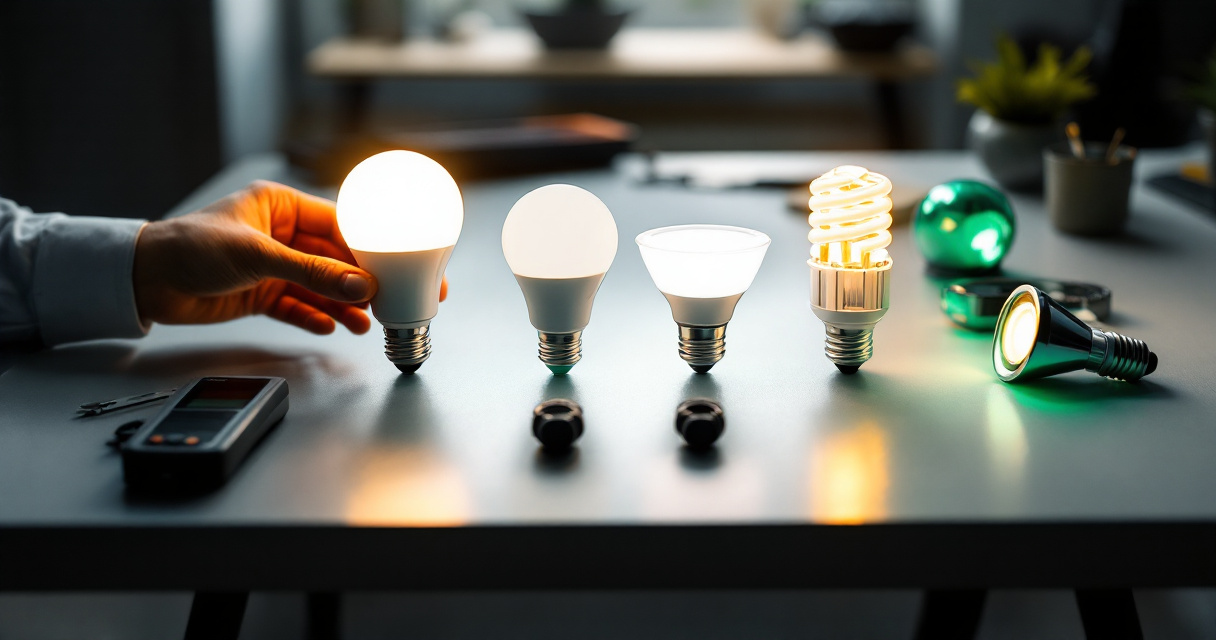
Commercial buyers should compare bulb specs in this order: fixture fit, lumen output, wattage equivalent, color temperature, CRI, dimmability, enclosed fixture compatibility, operating location, and price. That order prevents the most common problem: buying a lamp that looks good on paper but performs poorly in the real fixture.
Use this quick process before issuing a purchase order:
- Confirm the existing lamp shape, such as A19, BR30, PAR38, T8, corn bulb, or retrofit HID lamp.
- Match the base, such as E26 medium, E39 mogul, GU10, G13, or pin-type bases.
- Choose lumens based on the task area, not the old wattage alone.
- Select color temperature for the space and brand experience.
- Check CRI for retail, hospitality, healthcare, and finish-sensitive work.
- Verify dimmable labeling and control compatibility.
- Confirm enclosed, damp, wet, or outdoor ratings where needed.
Specification checklist for contractors and facility managers
| Spec | What it means | Why it matters in commercial spaces |
|---|---|---|
| Shape | Physical lamp form, such as A19, PAR, tube, globe, or corn | Determines beam spread, fixture fit, and appearance |
| Base type | Electrical and mechanical connection | Prevents mismatch with sockets and lampholders |
| Lumens | Light output | Controls visibility, safety, and task performance |
| Wattage equivalent | Approximate replacement reference | Helps compare against old incandescent or HID lamps |
| Color temperature | Warm, neutral, or cool light appearance | Affects comfort, merchandise color, and alertness |
| CRI | Color rendering ability | Important where colors, finishes, or food must look accurate |
| Dimmable | Supports approved dimming controls | Prevents flicker, buzzing, or limited dimming range |
| Fixture rating | Open, enclosed, damp, wet, or outdoor use | Protects life span and safety in real conditions |
Price should be judged by fit, output, and maintenance impact, not only by unit cost. A low-price lamp that fails in an enclosed ceiling can cost more than a better-rated lamp once lift rental, labor, and tenant disruption are included.
Which bulb type fits each commercial application?
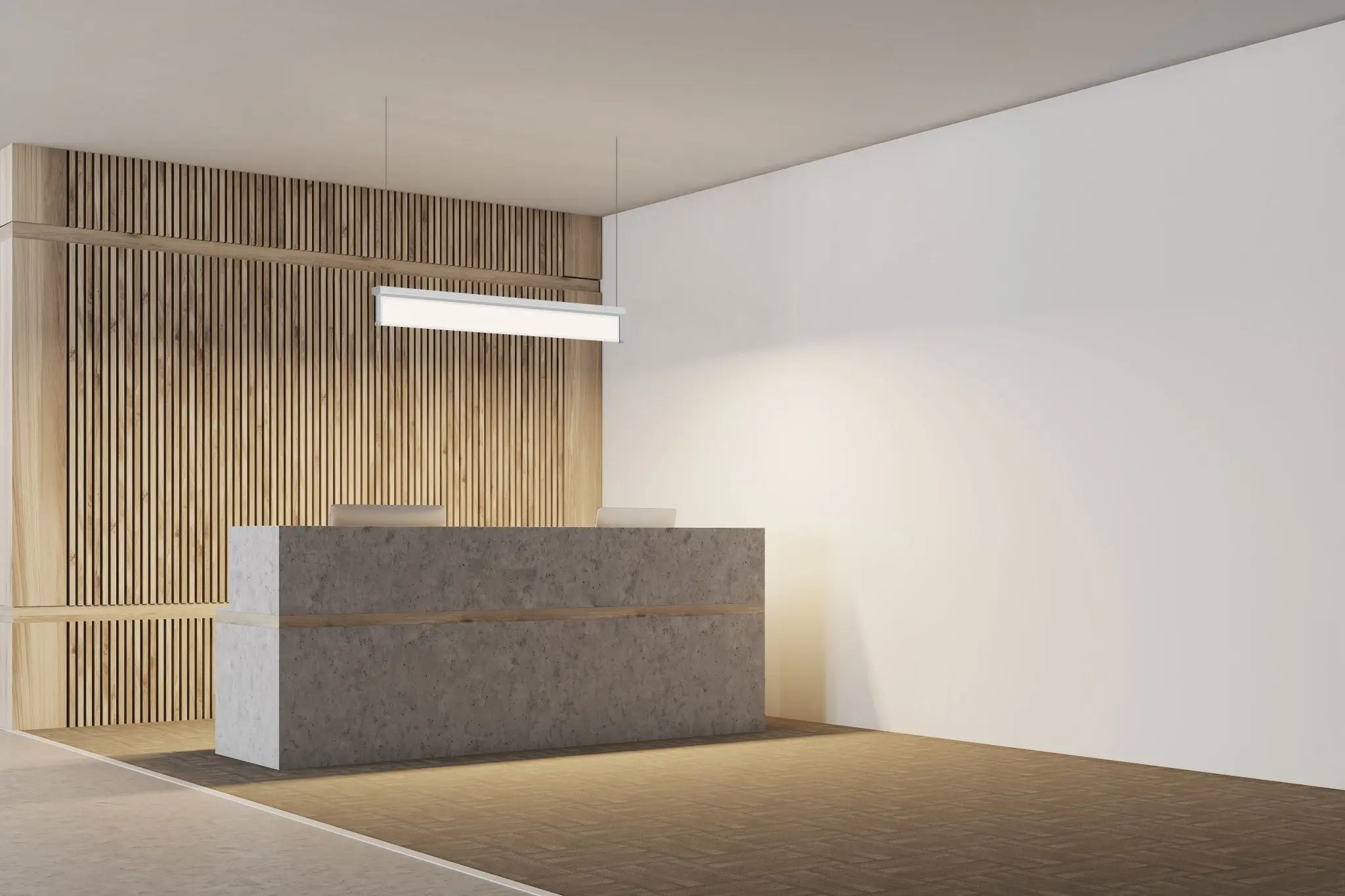
The best bulb type depends on the room purpose, mounting height, fixture style, and visual task. Offices usually need balanced, low-glare light; hospitality spaces need warmer color; storage areas need dependable output; exterior fixtures need weather-rated lamps with the right beam control.
A warehouse aisle, hotel corridor, and retail fitting room should not use the same buying logic. Facility managers should group lamps by application before comparing price, because a single bulk purchase can create inconsistent light levels or customer-facing color problems.
Recommended bulb by application
| Application | Common lamp style | Typical priority | Buyer notes |
|---|---|---|---|
| Offices | A19, BR, LED tubes, panel-compatible lamps | Comfortable visibility | Favor neutral color, low glare, and dimming where rooms use controls |
| Retail sales floors | PAR, BR, track lamps, high-CRI lamps | Product appearance | Check CRI and beam angle before buying bulk cases |
| Hospitality | A19, globe, candle, decorative lamps | Warm atmosphere | Match color temperature across rooms and public areas |
| Warehouses and storage | LED tubes, corn bulbs, high-output retrofit lamps | Reliable task light | Confirm mounting height, fixture ventilation, and safety ratings |
| Exterior wall packs | PAR, flood, HID retrofit, area lamps | Weather resistance | Choose wet-location rating and suitable beam spread |
| Industrial work areas | High-output retrofit lamps, tubes, task lamps | Visibility and durability | Check vibration, temperature, and enclosure conditions |
Jqzlighting can help buyers compare these application groups before ordering, which is useful when one project includes offices, loading docks, tenant corridors, and exterior security lights.
Practical rule: buy by space type, not by building type. A retail stockroom may need warehouse-style output, while a hotel lobby may need decorative lamps with better color quality.
What retrofit mistakes should contractors avoid?
Contractors should avoid retrofit mistakes by checking socket type, ballast status, enclosure rating, dimmer compatibility, thermal conditions, and code requirements before installing replacement lamps. Most failures come from assuming one LED replacement can drop into every old fixture without checking the electrical and physical environment.
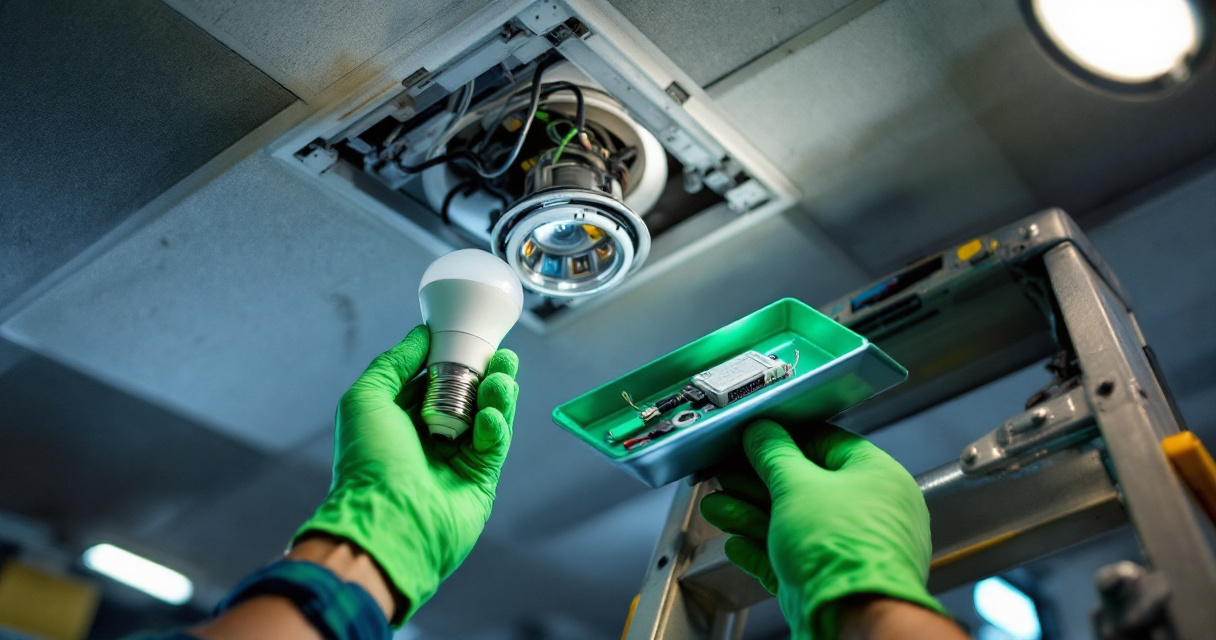
Common retrofit errors include:
- Replacing a fluorescent tube without knowing whether the new tube is ballast-compatible, ballast-bypass, or dual-mode.
- Installing a lamp in an enclosed fixture when the product is rated only for open fixtures.
- Using non-dimmable lamps on dimming circuits.
- Mixing color temperatures in the same visible area.
- Choosing a narrow beam where wide, even coverage is needed.
- Ignoring existing occupancy sensors, timers, photocells, or low-voltage controls.
Retrofit risk checks before purchase
| Risk area | What to verify | Result if ignored |
|---|---|---|
| Ballast or driver | Compatibility with existing electrical gear | Flicker, no-start condition, or early failure |
| Heat buildup | Enclosed fixture rating and ambient temperature | Shorter lamp life and warranty issues |
| Controls | Dimmer, sensor, photocell, or relay compatibility | Buzzing, flashing, or poor turn-on behavior |
| Beam angle | Spot, flood, or omnidirectional output | Dark zones or glare complaints |
| Code and safety | Listing, location rating, and installation instructions | Failed inspections or unsafe operation |
Dimmable labeling deserves special attention. A lamp marked dimmable still may not perform well with every wall dimmer, 0-10V system, occupancy sensor, or legacy control. When the job involves many fixtures, test a small sample circuit first.
How will LED buying change in 2026 and 2027?
LED buying in 2026 and 2027 will keep moving from simple bulb replacement toward system-level decisions that include controls, maintenance planning, color quality, and application-specific performance. Buyers will still compare price, but larger projects will place more weight on compatibility, service access, and consistent visual results.
Expect more demand for:
- Field-selectable color temperature where one SKU can serve several rooms.
- Higher attention to CRI in retail, food service, hospitality, and healthcare.
- Better labeling for enclosed fixtures, damp locations, and wet locations.
- Smarter controls that pair lamps with sensors, schedules, and daylight response.
- Retrofit planning that reduces repeat truck rolls and after-hours disruptions.
A practical buying policy for 2026 is to create an approved lamp schedule. List each space, fixture, acceptable substitute, color temperature, base type, dimming requirement, and spare quantity. That document helps contractors bid accurately and helps maintenance teams avoid random replacements later.
For multi-site buyers, the Jqzlighting platform is most useful when you standardize lamp families by application, then keep spares aligned with the same specifications. That approach keeps lighting consistent across offices, sales areas, storage rooms, and exterior fixtures.
FAQ: LED bulb questions commercial buyers ask
Commercial buyers usually ask about brightness, cost, dimming, fixture compatibility, and outdoor use before ordering LED replacement lamps. The answers depend on the fixture, controls, and room function, so the safest purchase starts with the existing lamp label and the required light level.
Are LED bulbs always brighter than older bulbs?
No. Brightness depends on lumens, not the technology name. Some LED replacements are designed to match older lamps, while others provide higher output for task areas or high ceilings. Compare lumen ratings and beam angle before assuming one replacement will increase visibility.
Can I use an LED bulb in an enclosed fixture?
Only use a lamp in an enclosed fixture if the product is rated for that condition. Enclosed fixtures trap heat, and heat can shorten LED life or cause performance issues. Check the packaging or spec sheet before installing lamps in globes, ceiling cans, vapor-tight fixtures, or sealed exterior housings.
What color temperature works best for offices and warehouses?
Offices often use neutral white because it supports visibility without feeling too harsh. Warehouses and storage areas may use cooler light where task visibility is the main goal. Hospitality and decorative spaces often use warmer tones. Consistency matters as much as the exact number.
Are dimmable LED lamps worth the higher price?
Dimmable lamps are worth it when the space uses dimmers, scene controls, daylight harvesting, or guest-controlled lighting. They are not needed for every storage room or back-of-house area. Always check compatibility between the lamp, dimmer, driver, sensor, and control type before buying in bulk.
Conclusion
Choosing led light bulbs for a commercial building is a specification decision, not a simple shelf purchase. Start with fixture fit, then compare lumens, color temperature, CRI, dimming, location rating, and price. For retrofits, test a small sample before a full rollout and document an approved lamp schedule for future maintenance. If you are planning a replacement project, visit jqzlighting.com, group your fixtures by application, and request products that match the exact sockets, controls, and site conditions you manage.