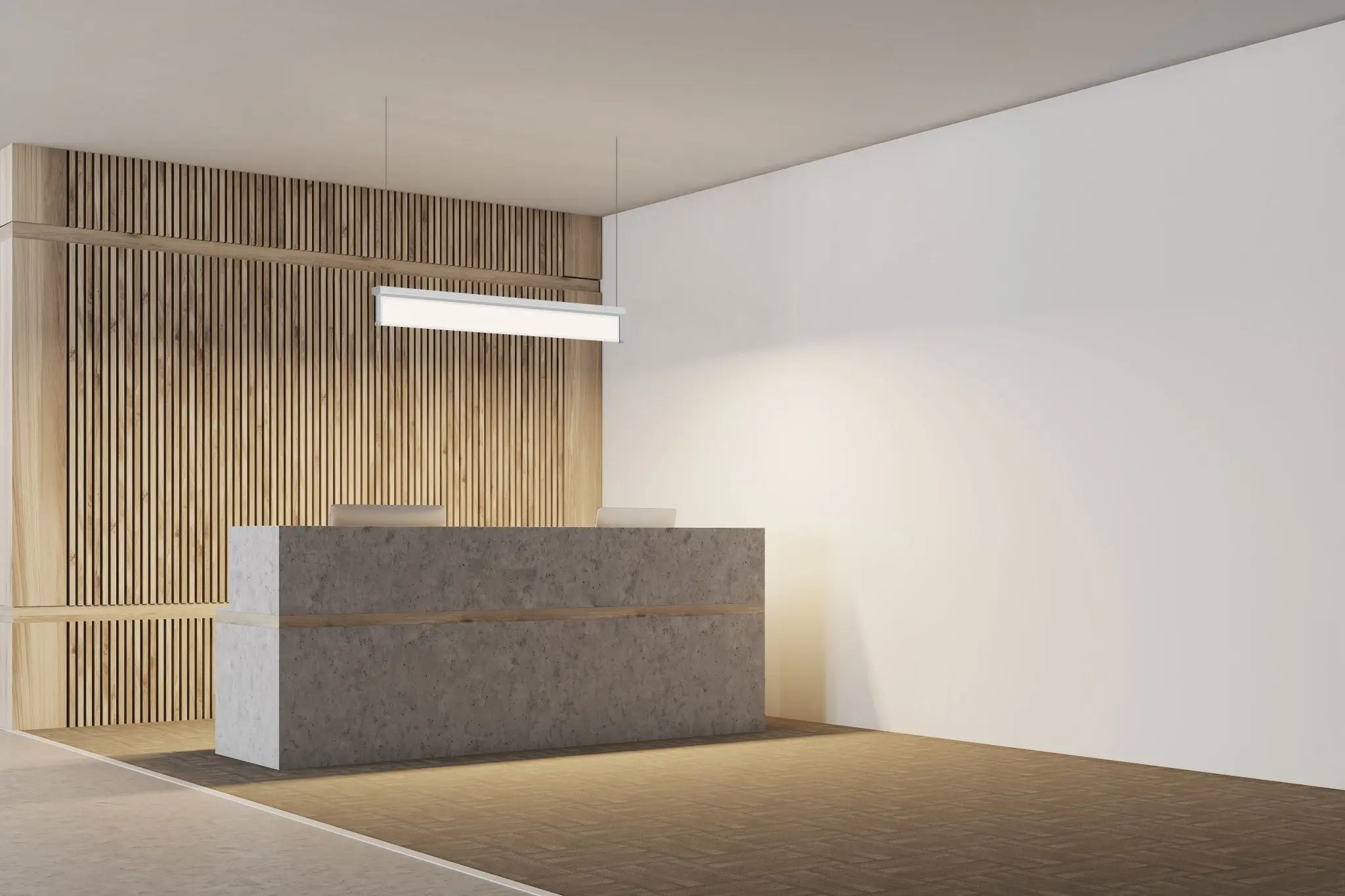
Lighting color is one of the fastest ways to change how a commercial space feels and performs. The difference between a 3000K warm office and a 5000K warehouse can affect productivity, safety, and even how products look on shelves. Color temperature, measured in Kelvin (K), describes the tone of light emitted by a source compared with the glow of a theoretical heated object, according to the definition of color temperature. Modern LED lamps, which produce light using light‑emitting diodes, make it easy to choose precise color temperatures while consuming far less energy than older technologies such as incandescent or fluorescent lighting, as explained in the overview of LED lamps. For contractors, facility managers, and commercial property owners, understanding these Kelvin ranges is essential when planning upgrades or new installations. Resources like The JQZ Lighting Journal help buyers compare commercial LED fixtures and determine the most suitable color temperature for different applications.
Understanding Kelvin Ratings in Commercial LED Lighting
Color temperature determines whether light appears warm, neutral, or cool. In commercial environments, this choice influences visual comfort, accuracy of color perception, and worker performance.
Lower Kelvin values produce warm yellow tones similar to traditional incandescent lamps, while higher values produce crisp white or bluish light. Commercial LEDs typically fall between about 1800K and 6000K, according to industry lighting guides analyzed in competitor content.
Higher color temperatures are common in environments where visibility and alertness matter. Warehouses, manufacturing floors, and outdoor security lighting often use 5000K or higher. By contrast, hospitality spaces usually prefer warmer tones around 2700K.
Choosing the right Kelvin rating is not just aesthetic; it influences productivity, safety, and how customers perceive a space.
Common Kelvin Ranges in Commercial Lighting
| Color Temperature | Appearance | Typical Commercial Use |
|---|---|---|
| 1800K–2700K | Warm, yellowish | Restaurants, hospitality, lounges |
| 3000K | Soft white | Retail shops, hotels, reception areas |
| 4000K | Neutral white | Offices, classrooms, medical spaces |
| 5000K–6500K | Cool daylight | Warehouses, factories, outdoor security |
Many lighting professionals treat 4000K as the default choice for commercial interiors because it balances comfort and clarity. However, the right selection depends on the specific activity taking place in the space.
How Color Temperature Influences Productivity and Visual Performance
Lighting affects more than visibility. Studies in building technology research show that modern smart building systems increasingly combine sensors, automation, and data analysis to improve energy efficiency and indoor conditions, including lighting environments. A 2022 study in Automation in Construction reviewed how intelligent systems are used in building management and design, highlighting how lighting conditions can be optimized with data‑driven tools. Study overview.

In practical terms, color temperature can shape how people feel and work inside a building.
Warm Light and Customer Experience
Warm lighting between 1800K and 3000K creates a relaxed atmosphere. Restaurants and hospitality venues use it to make spaces feel comfortable and inviting.
Benefits include:
- Creates a welcoming, relaxed environment
- Softens shadows and reduces harsh glare
- Enhances ambiance for dining or leisure
High‑end restaurants often use lighting near 2200K or 2700K because it flatters interior materials and skin tones.
Neutral and Cool Light for Task Accuracy
Workspaces often require neutral or cool lighting because it improves visibility.
Advantages include:
- Clearer contrast for reading or computer work
- Improved perception of colors and details
- Higher alertness levels in task‑oriented environments
Offices commonly use 4000K, while large industrial areas prefer 5000K because it resembles natural daylight and improves visibility across wide spaces.
Recommended Color Temperatures for Different Commercial Spaces
Each commercial environment has different lighting priorities. Retail stores focus on product presentation, warehouses prioritize safety, and offices aim for comfort during long work hours.
Choosing the correct color temperature improves the effectiveness of LED fixtures such as panels, high bays, or wall packs. The team behind The JQZ Lighting Journal regularly publishes guidance on selecting lighting solutions for commercial facilities.
Quick Reference Chart for Facility Types
| Facility Type | Ideal Kelvin Range | Reason |
|---|---|---|
| Restaurants & cafes | 2200K–3000K | Warm atmosphere encourages longer visits |
| Retail stores | 3000K–4000K | Balanced light highlights products |
| Offices | 3500K–4000K | Neutral light reduces eye strain |
| Warehouses | 4000K–5000K | Clear visibility for safety |
| Parking lots | 5000K–5700K | High contrast for security cameras |
Practical Selection Tips for Contractors
When specifying lighting for a commercial project, consider several practical factors beyond aesthetics.
- Task requirements: Precision tasks require cooler light.
- Ceiling height: High ceilings often need brighter, cooler lighting.
- Brand image: Retail brands often choose warmer tones for a premium feel.
- Energy incentives: Some rebate programs favor specific fixture types and efficiency ratings.
Commercial LED fixtures from suppliers like those featured on The JQZ Lighting Journal often list their color temperature clearly on packaging and specification sheets, making planning easier during large installations.
Mistakes Businesses Make When Choosing LED Color Temperature
Color temperature mistakes are common during commercial lighting upgrades. Many projects focus only on wattage or brightness, ignoring how color tone affects the space.

Choosing One Kelvin Value for the Entire Facility
Large buildings rarely benefit from a single color temperature. A warehouse may require 5000K on the floor but 4000K in offices and break rooms.
Using layered lighting strategies produces better results:
- Cooler lighting for operational zones
- Neutral lighting for offices
- Warmer lighting for public or lounge areas
Ignoring Color Rendering
Color temperature works alongside Color Rendering Index (CRI). A high CRI rating ensures objects appear natural and accurate under LED lighting. Retail stores selling clothing or food should pay special attention to this specification.
Overlooking Outdoor Lighting Needs
Outdoor commercial lighting often benefits from cooler temperatures because they improve contrast for security cameras and drivers.
Common outdoor applications include:
- Parking lot lighting
- Wall packs around building perimeters
- Loading dock illumination
Guides and fixture comparisons available through The JQZ Lighting Journal platform often highlight which LED fixtures work best for outdoor environments versus interior installations.
Smart Lighting Controls and the Future of Color Temperature in Commercial Buildings
Commercial lighting systems are becoming smarter each year. Modern LED installations increasingly integrate sensors, automation, and adaptive controls that adjust lighting based on occupancy or time of day.
Research on sensor technologies and intelligent systems, including a review published in Sensors examining advanced sensor integration in complex systems, highlights how modern devices collect environmental data to support automated decision making in connected environments. Research review.
Adaptive White Lighting
Many modern fixtures support tunable white lighting, allowing facilities to adjust color temperature throughout the day.
Typical schedule patterns include:
- Morning: cooler light (4500K–5000K) to increase alertness
- Afternoon: neutral light (4000K)
- Evening: warmer tones (3000K–3500K)
This approach is gaining traction in offices and educational buildings where worker comfort matters.
Integration With Smart Building Systems
Future commercial lighting systems will likely integrate more closely with building automation platforms. These systems can:
- Adjust lighting automatically using occupancy sensors
- Reduce energy consumption during low‑traffic periods
- Provide data about lighting performance and maintenance needs
Facility managers researching modern lighting strategies can explore fixture comparisons and installation insights through The JQZ Lighting Journal, which tracks new commercial LED technologies and product releases.
Conclusion
Selecting the right LED color temperature is one of the most important decisions in commercial lighting design. Kelvin ratings influence worker productivity, customer experience, safety, and even how products appear in retail environments. Warm lighting works best for hospitality settings, neutral tones suit offices, and cool daylight colors improve visibility in warehouses and outdoor areas.
Before choosing fixtures, evaluate how each area of your facility is used, then match that activity with the appropriate Kelvin range. Consider ceiling height, task requirements, and brand atmosphere. Mixing different color temperatures across zones often produces the most effective results.
For facility managers, contractors, and property owners planning LED upgrades, exploring expert resources can simplify the process. Visit The JQZ Lighting Journal to compare commercial LED fixtures, review installation guides, and find lighting solutions designed for warehouses, offices, retail spaces, and outdoor environments.