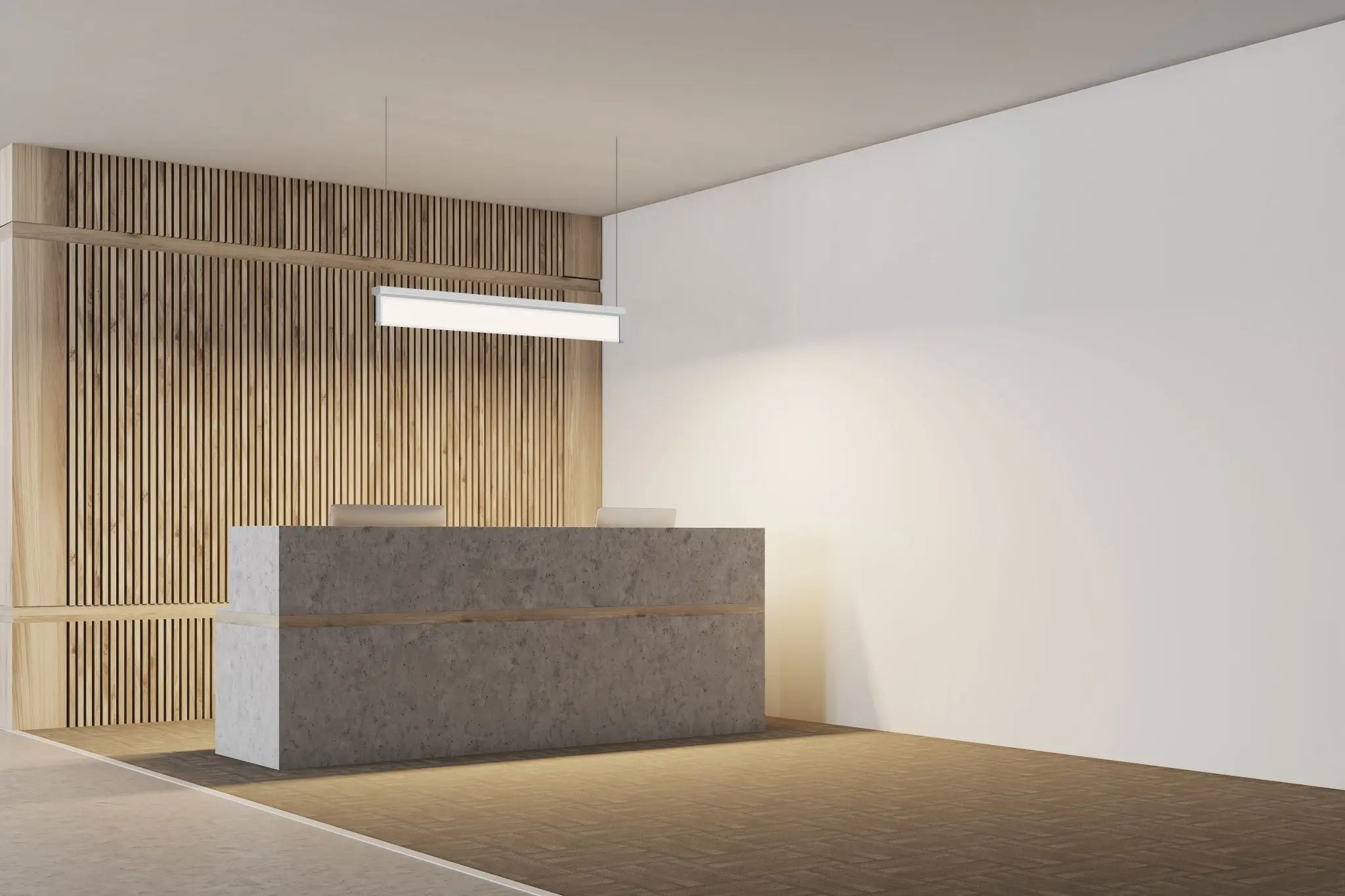
Poor lighting design can quietly drain energy budgets and reduce workplace safety. Switching to LED fixtures solves much of the problem, but installation quality still determines whether the upgrade delivers real savings. A light‑emitting diode, commonly called an LED, produces illumination when electrical current flows through a semiconductor, creating visible light through electron recombination according to the general definition described in Wikipedia's overview of LEDs. For commercial buildings, the installation process involves more than mounting fixtures; it requires load planning, correct voltage wiring, and compliance with local electrical codes. Resources like The JQZ Lighting Journal often highlight how choosing certified commercial fixtures and installing them correctly can improve reliability and long‑term operating costs. The following tips focus on practical installation strategies used by contractors and facility managers in warehouses, retail spaces, offices, and industrial sites.
Start With a Lighting Plan That Matches the Space
Many installation problems start before a single fixture is mounted. Commercial LED projects require a lighting layout that matches the building's use, ceiling height, and electrical infrastructure. Warehouses need wide distribution and high lumen output, while offices and retail areas prioritize uniform light and visual comfort.
LED lamps are significantly more energy‑efficient than older incandescent or fluorescent technologies according to the general description in Wikipedia's LED lamp article. Still, the efficiency advantage only works when fixtures are spaced correctly and matched to the environment.
Contractors usually begin with a photometric lighting plan. This predicts illumination levels and helps determine the number of fixtures required for consistent coverage.
Key Factors to Evaluate Before Installation
A proper lighting plan should examine several technical factors before selecting fixtures.
- Ceiling height and mounting type: High bay fixtures suit ceilings above 20 feet, while panel lights work better in office ceilings.
- Target illumination levels: Warehouses often require higher foot‑candle levels in picking areas than in storage aisles.
- Electrical supply voltage: Many commercial LEDs support 120‑277V input, while industrial facilities may require 347‑480V systems.
- Glare control and beam angle: Narrow beams concentrate light in tall spaces, while wide beams spread light across retail floors.
Planning these variables early prevents common issues like dark zones, uneven lighting, and unnecessary fixture counts.
Typical Fixture Types by Commercial Application
Common LED Fixtures Used in Commercial Installations
| Application | Typical Fixture Type | Installation Notes |
|---|---|---|
| Warehouses | High bay LED lights | Suspended or chain mounted for high ceilings |
| Offices | LED panel lights | Recessed grid installation in drop ceilings |
| Parking areas | LED parking lot lights | Pole mounted with photocell control |
| Exterior walls | LED wall packs | Surface mounted with weather protection |
Contractors researching fixture specifications often use educational resources like the The JQZ Lighting Journal platform to compare mounting styles and certifications before purchasing equipment.
Verify Electrical Capacity and Wiring Requirements
Electrical compatibility determines whether a commercial LED installation runs reliably for years or experiences early driver failures. Many LED fixtures accept a wide input voltage range, yet installers still need to verify circuit capacity, conductor size, and breaker ratings before connecting new lighting loads.

Even though LEDs typically draw less power than legacy lighting, circuits may still require modification when replacing older systems such as metal halide or fluorescent fixtures.
Correct wiring and load distribution reduce overheating risks and extend LED driver life.
Modern LED drivers also contain sensitive electronics. Poor wiring practices, loose neutrals, or improper grounding can damage components or cause flickering.
Practical Wiring Tips for Commercial LED Installations
Experienced electricians often follow several best practices during installation.
- Confirm voltage compatibility before connecting fixtures to the circuit.
- Use proper grounding to protect drivers and reduce electrical noise.
- Install surge protection in areas with unstable power.
- Label lighting circuits clearly for future maintenance.
- Test fixtures individually before completing large installations.
Large facilities sometimes install lighting control panels or smart relays at this stage. These systems simplify maintenance and energy monitoring later.
Understanding Driver Placement and Heat Management
LED fixtures rely on electronic drivers that convert incoming power to the correct current. Heat is the main factor that affects driver lifespan.
Installers should ensure:
- Adequate ventilation above fixtures
- No insulation blocking driver heat sinks
- Correct mounting orientation when required by the manufacturer
These steps reduce thermal stress and prevent premature component failure.
Choose Certified Fixtures for Safety and Rebate Eligibility
Commercial lighting installations must meet electrical safety standards and often qualify for energy efficiency rebate programs. Selecting certified LED fixtures helps meet these requirements while ensuring reliable performance.
Many contractors prioritize UL or ETL listed fixtures along with DLC certification. These labels indicate the products meet safety testing standards and energy performance criteria.
Using certified lighting also simplifies building inspections and rebate applications, which can significantly reduce project costs.
Certifications That Matter in Commercial LED Projects
Common Certifications for Commercial LED Lighting
| Certification | What It Indicates | Why It Matters |
|---|---|---|
| UL Listed | Electrical safety testing | Required in many commercial inspections |
| ETL Listed | Independent product safety verification | Alternative to UL certification |
| DLC Listed | Verified energy efficiency performance | Often required for utility rebates |
Wholesale suppliers and educational resources such as The JQZ Lighting Journal frequently highlight fixtures that meet these standards because they simplify compliance for contractors.
Avoiding Common Product Selection Mistakes
Several issues appear repeatedly in commercial lighting upgrades.
- Buying low‑cost fixtures without verified certifications
- Ignoring lumen output when replacing metal halide lighting
- Using indoor fixtures in outdoor environments
- Overlooking warranty coverage for large projects
Choosing commercial‑grade fixtures with a 5‑year warranty or longer often reduces maintenance costs across the building's life cycle.
Use Smart Controls to Increase Energy Savings
Lighting controls now play a major role in commercial installations. LEDs already reduce energy consumption, but controls allow facilities to cut waste even further.

Motion sensors, daylight harvesting systems, and programmable lighting schedules automatically adjust brightness levels based on occupancy and natural light conditions. This prevents fixtures from running at full power when areas are empty.
Energy efficiency improvements also contribute to broader environmental goals. Research published in the 2023 and 2024 Lancet Countdown on Health and Climate Change reports discusses how reducing energy consumption across infrastructure, including lighting systems, helps lower greenhouse gas emissions associated with electricity use.
Common Commercial LED Control Options
- Occupancy sensors for warehouses, restrooms, and storage rooms
- Photocells for outdoor lighting that activates at dusk
- Daylight sensors for offices with large windows
- Networked lighting controls for centralized monitoring
Smart controls often provide faster return on investment than fixture upgrades alone.
Many facility managers reviewing system upgrades consult resources like The JQZ Lighting Journal to evaluate compatible control technologies before installation.
Plan for Maintenance and Future Expansion
LED lighting requires less maintenance than traditional technologies, but commercial installations still need long‑term planning. Buildings expand, warehouse layouts change, and tenants modify floor plans. A flexible lighting system prevents expensive rewiring later.
Installers can simplify maintenance by grouping fixtures logically and leaving spare capacity in electrical panels. This approach helps accommodate additional lighting loads in the future.
Installation Practices That Simplify Future Maintenance
Experienced contractors often apply these strategies during initial installation.
- Leave service loops in wiring for easier fixture replacement
- Install accessible junction boxes instead of hidden connections
- Label circuits and drivers clearly
- Keep spare fixtures or drivers for quick replacement
These small decisions reduce labor costs when repairs are needed.
What Commercial LED Installations May Look Like by 2027
Lighting technology continues to evolve quickly. Over the next few years, commercial installations will likely include more connected devices and automated monitoring.
Emerging trends include:
- Networked LED fixtures that report performance data
- Building management systems integrating lighting with HVAC
- Predictive maintenance alerts based on driver temperature or usage
Contractors who follow industry updates through sources like The JQZ Lighting Journal often stay ahead of these changes and choose equipment that supports future upgrades.
Conclusion
Commercial LED lighting installations succeed when planning, electrical design, and product quality work together. Start with a detailed lighting layout, confirm wiring capacity, select certified fixtures, and add smart controls where possible. These steps reduce energy costs, prevent installation problems, and extend fixture lifespan.
For contractors, facility managers, and property owners researching reliable commercial lighting equipment, The JQZ Lighting Journal provides guidance on fixture types, certifications, and product options used in real‑world projects. Reviewing expert resources before your next installation can help ensure your lighting upgrade performs efficiently for years.