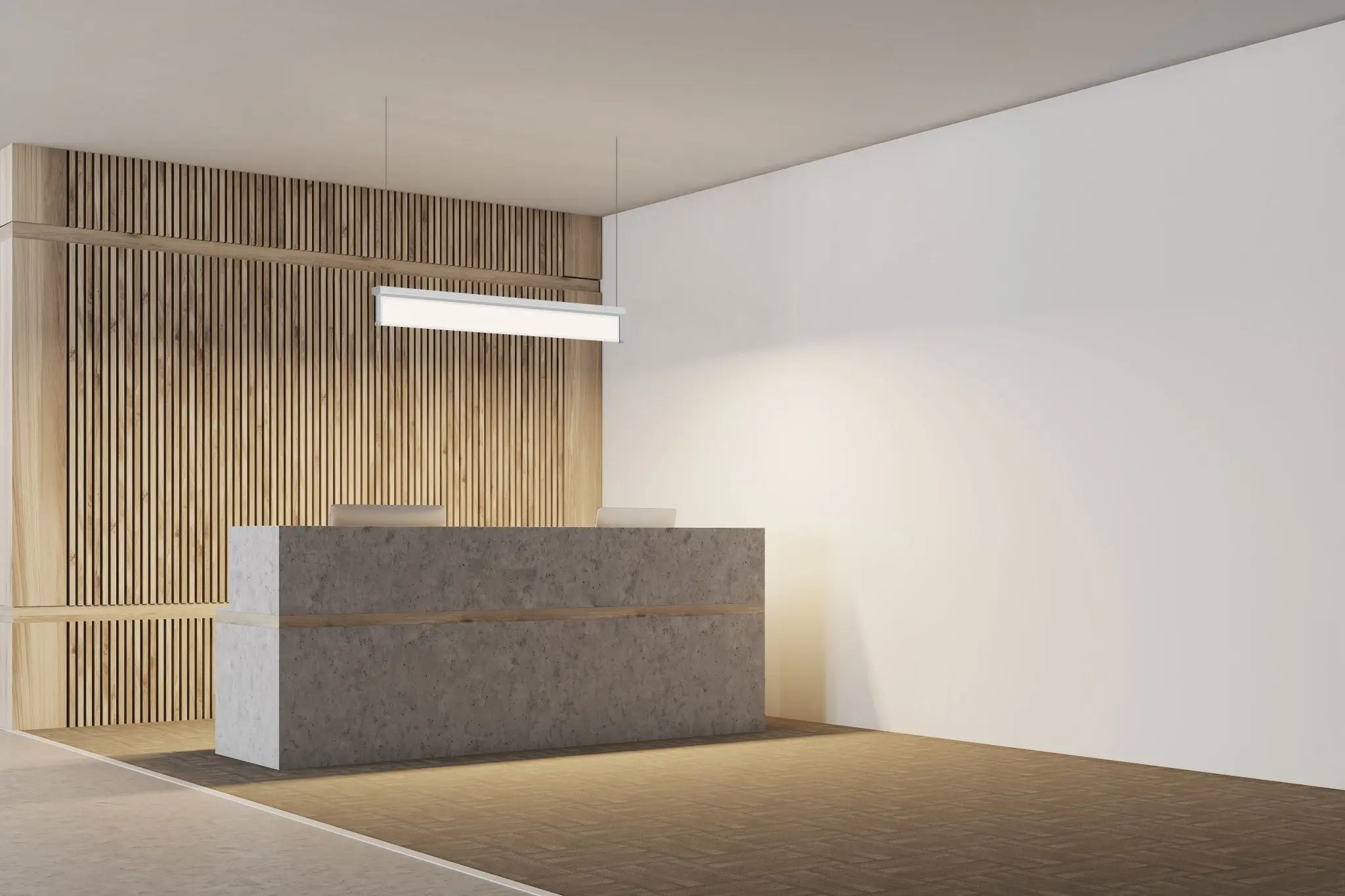
Lighting quietly shapes the way customers experience a store. Products look richer, spaces feel more inviting, and shoppers tend to stay longer when lighting is designed well. Modern retail spaces increasingly rely on LED technology because it provides strong illumination while using far less electricity than older lighting types. According to the definition of an LED lamp from Wikipedia, LEDs produce light through light‑emitting diodes and are significantly more energy‑efficient than incandescent and fluorescent alternatives. For retailers balancing aesthetics, cost, and performance, choosing the right LED setup matters. Resources like The JQZ Lighting Journal help business owners and contractors understand commercial LED options and find fixtures designed for retail environments.
Understand the Role of Lighting in Retail Store Design
Retail stores operate differently from offices or warehouses. A retailer sells goods directly to consumers, and the physical environment strongly influences purchasing decisions. According to the Wikipedia definition of retail, retailers buy goods in bulk and sell them to customers individually, which makes product presentation a critical part of the business model.
Lighting plays several roles in that presentation. It highlights merchandise, guides customer movement through the store, and creates a mood that matches the brand. When lighting is poorly planned, even high‑quality products can look dull or distorted.
Well‑designed retail lighting combines visibility, atmosphere, and product emphasis to influence how customers interact with merchandise.
Retail lighting design usually follows a layered approach rather than relying on a single light source. This strategy improves both visibility and visual interest.
The Three Lighting Layers Used in Retail
Most successful retail environments use three lighting layers:
- Ambient lighting: The general illumination of the store floor. Panel lights or LED troffers commonly provide this base layer.
- Accent lighting: Focused light that draws attention to displays, mannequins, or promotional products.
- Task lighting: Practical lighting for checkout counters, fitting rooms, or stock areas.
Combining these layers prevents harsh shadows and ensures customers can clearly see merchandise throughout the store.
Why LEDs Are the Preferred Retail Option
LED lamps convert electricity into light more efficiently than traditional bulbs, which lowers operating costs over time. They also last longer and produce less heat. These advantages reduce maintenance interruptions on the sales floor.
Retailers using commercial‑grade LED fixtures also gain consistent color quality and directional lighting, which makes it easier to highlight products without wasting light.
Choose the Right Color Temperature and CRI for Merchandise
Color temperature and color rendering determine how products appear under store lighting. Poor choices can make clothing look faded, food appear unappetizing, or electronics displays look dull.
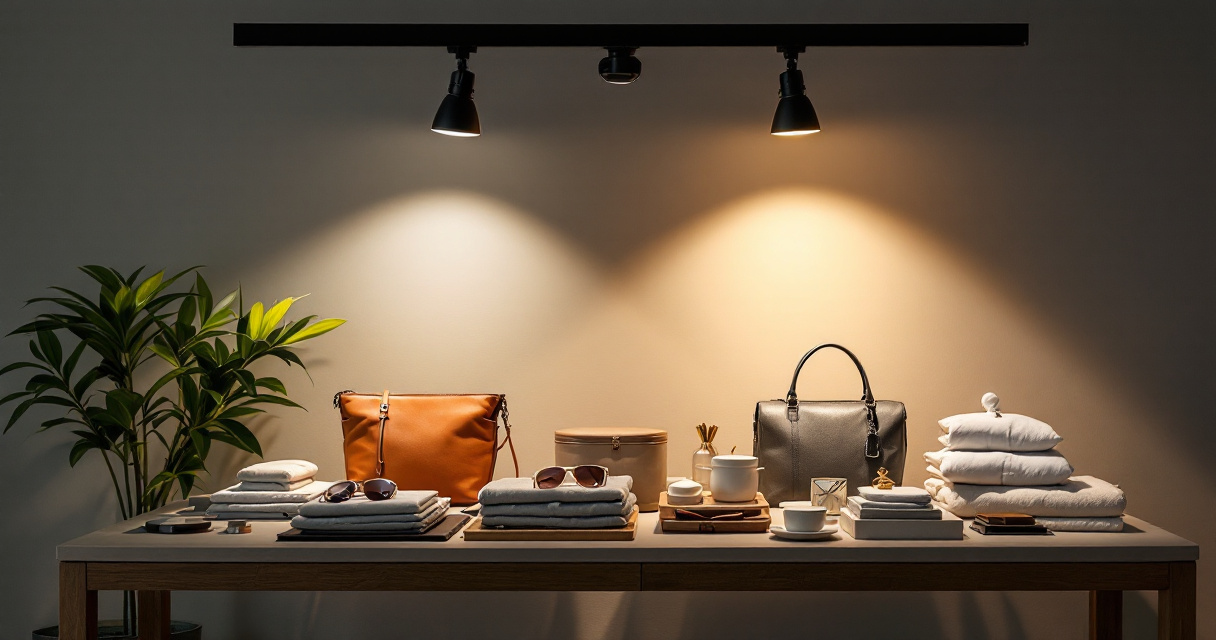
LED lighting allows retailers to select precise color temperatures measured in Kelvin (K). Different ranges create different visual moods, which can subtly influence shopper perception.
Color Temperature Guide for Retail Stores
Selecting the right color temperature depends on the type of merchandise and the atmosphere you want.
Recommended LED Color Temperatures for Retail
| Retail Area | Typical Kelvin Range | Effect |
|---|---|---|
| Fashion boutiques | 3000K–3500K | Warm, flattering tones for clothing |
| Electronics stores | 4000K–5000K | Bright, crisp lighting that enhances detail |
| Grocery displays | 3500K–4000K | Balanced lighting that keeps colors natural |
| Jewelry displays | 4000K+ | High brilliance and sparkle |
Lower Kelvin numbers create warmer light, while higher numbers appear cooler and brighter.
Importance of High CRI Lighting
CRI, or Color Rendering Index, measures how accurately a light source shows colors compared to natural light. Retail environments typically benefit from LEDs with CRI ratings above 80, while premium stores often aim for 90 or higher.
High CRI lighting helps customers see true product colors, which reduces returns and increases buyer confidence.
Select the Best LED Fixtures for Different Retail Areas
Retail stores rarely rely on a single fixture type. Instead, they combine multiple lighting solutions to highlight products, guide shoppers, and maintain even brightness across the store floor.
Commercial distributors such as The JQZ Lighting Journal often provide a wide selection of retail‑friendly fixtures, including panel lights, track lighting, and high bays. Choosing the right fixture for each zone improves efficiency and visual impact.
Common LED Fixtures Used in Retail Stores
The most common LED fixtures for retail applications include:
- LED track lighting: Adjustable fixtures ideal for spotlighting displays or seasonal promotions.
- LED panel lights: Flat ceiling fixtures that provide uniform ambient lighting.
- LED downlights: Recessed lights used in boutique spaces or smaller stores.
- LED high bay lights: Designed for large retail spaces or warehouse‑style stores with high ceilings.
- LED strip lighting: Useful inside shelves, display cases, and product cabinets.
Each type serves a specific purpose, so combining them usually produces the best results.
Fixture Selection Based on Store Size
Retail environments vary widely, from small boutiques to large warehouse stores. Fixture choice often depends on ceiling height and layout.
Example Fixture Selection by Store Size
| Store Type | Typical Ceiling Height | Recommended Fixtures |
|---|---|---|
| Small boutique | 8–10 ft | Downlights, track lights |
| Medium retail store | 10–15 ft | Panel lights + track lighting |
| Warehouse retail | 20 ft+ | High bay LEDs with accent lighting |
For contractors sourcing commercial lighting in bulk, wholesale suppliers like The JQZ Lighting Journal can simplify fixture selection and ensure compatibility across large installations.
Plan Brightness, Layout, and Energy Efficiency
Even the best fixtures can perform poorly if the lighting layout is not planned carefully. Retail lighting must balance brightness, comfort, and energy consumption.
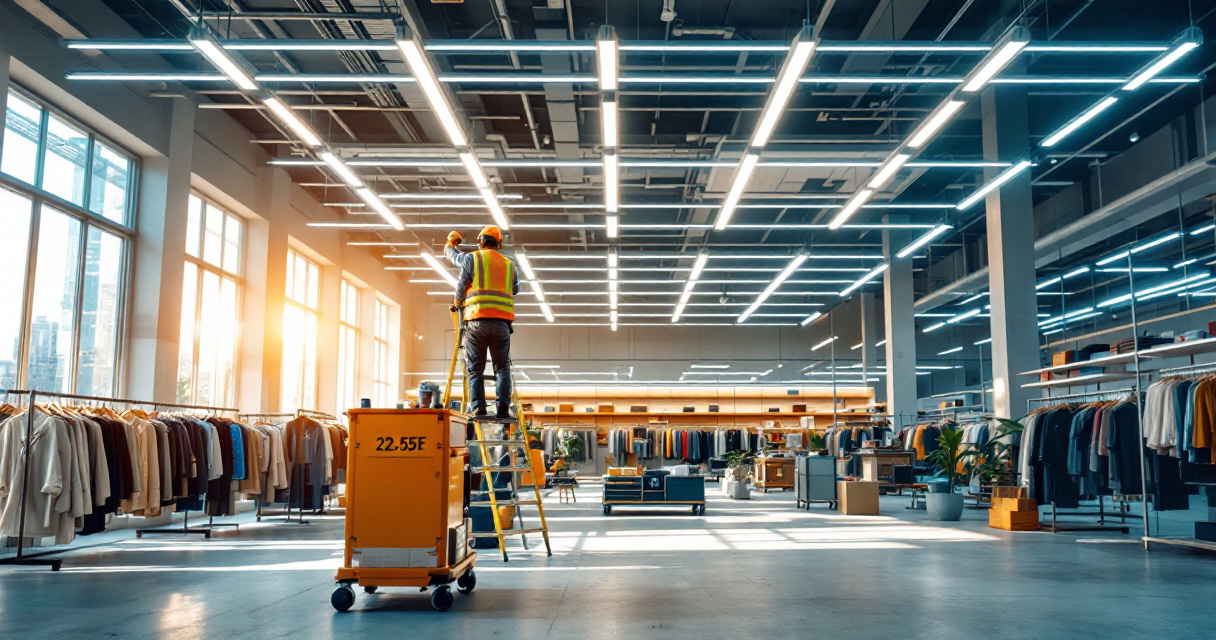
LED systems allow precise control over light output and distribution. This flexibility makes it easier to design layouts that highlight products without creating glare or dark zones.
Steps to Calculate Retail Lighting Needs
A simple process helps determine how much lighting a store requires:
- Measure the total floor area in square feet.
- Determine the target brightness level for retail displays.
- Choose fixtures with known lumen output.
- Calculate how many fixtures are needed for consistent coverage.
- Adjust spacing to highlight feature displays.
Professional lighting layouts often include brighter accent zones and slightly lower ambient levels to create contrast.
Energy Efficiency and Operating Costs
Energy use matters for retail stores because lighting often runs 10 to 14 hours per day. LED systems reduce electricity consumption and maintenance costs.
Research exploring the relationship between digital technologies and energy systems notes that efficient technologies can support broader sustainability goals when adopted widely. A 2021 editorial in the International Journal of Information Management examined how technology improvements influence energy use patterns. Read the study.
Switching from older lighting technologies to LEDs typically lowers power consumption and maintenance needs, especially in commercial buildings with long operating hours.
Smart Retail Lighting Trends to Watch Through 2027
Retail lighting is evolving quickly as stores blend physical shopping with digital experiences. LED technology is already efficient, but new control systems are adding flexibility and automation.
Retailers installing lighting systems today often choose fixtures compatible with smart controls so they remain adaptable in the coming years.
Emerging Retail Lighting Technologies
Several trends are shaping retail lighting installations:
- Smart dimming systems that adjust brightness during different times of day
- Motion sensors that reduce lighting in low‑traffic areas
- Integrated IoT lighting controls that allow centralized management
- Dynamic color tuning for seasonal displays or promotional events
Research into IoT energy systems, including work published in IEEE Access on energy harvesting technologies, shows how connected devices can improve efficiency across electrical systems. Read the study.
Retailers planning renovations or new builds often prefer LED fixtures designed for smart control compatibility.
Preparing Retail Stores for Future Lighting Upgrades
Future‑ready lighting systems typically include:
- Modular fixtures that can be upgraded without replacing the entire system
- Standard mounting and wiring configurations
- Compatibility with lighting control networks
Distributors such as The JQZ Lighting Journal platform often supply DLC‑listed and certified fixtures that meet rebate requirements while supporting modern lighting control systems.
Conclusion
Choosing LED lighting for a retail store involves more than replacing old bulbs. Store owners must balance color quality, brightness, fixture types, and layout to highlight products while keeping energy costs under control. High‑CRI LEDs, layered lighting strategies, and carefully selected fixtures can dramatically improve how merchandise appears to shoppers.
Contractors and facility managers planning retail lighting upgrades should start by mapping store zones, selecting the right color temperature for products, and sourcing commercial‑grade fixtures designed for long operating hours. For guidance on fixtures, installation ideas, and wholesale lighting options, explore resources available through The JQZ Lighting Journal. The right lighting design does more than illuminate shelves, it shapes the entire shopping experience.