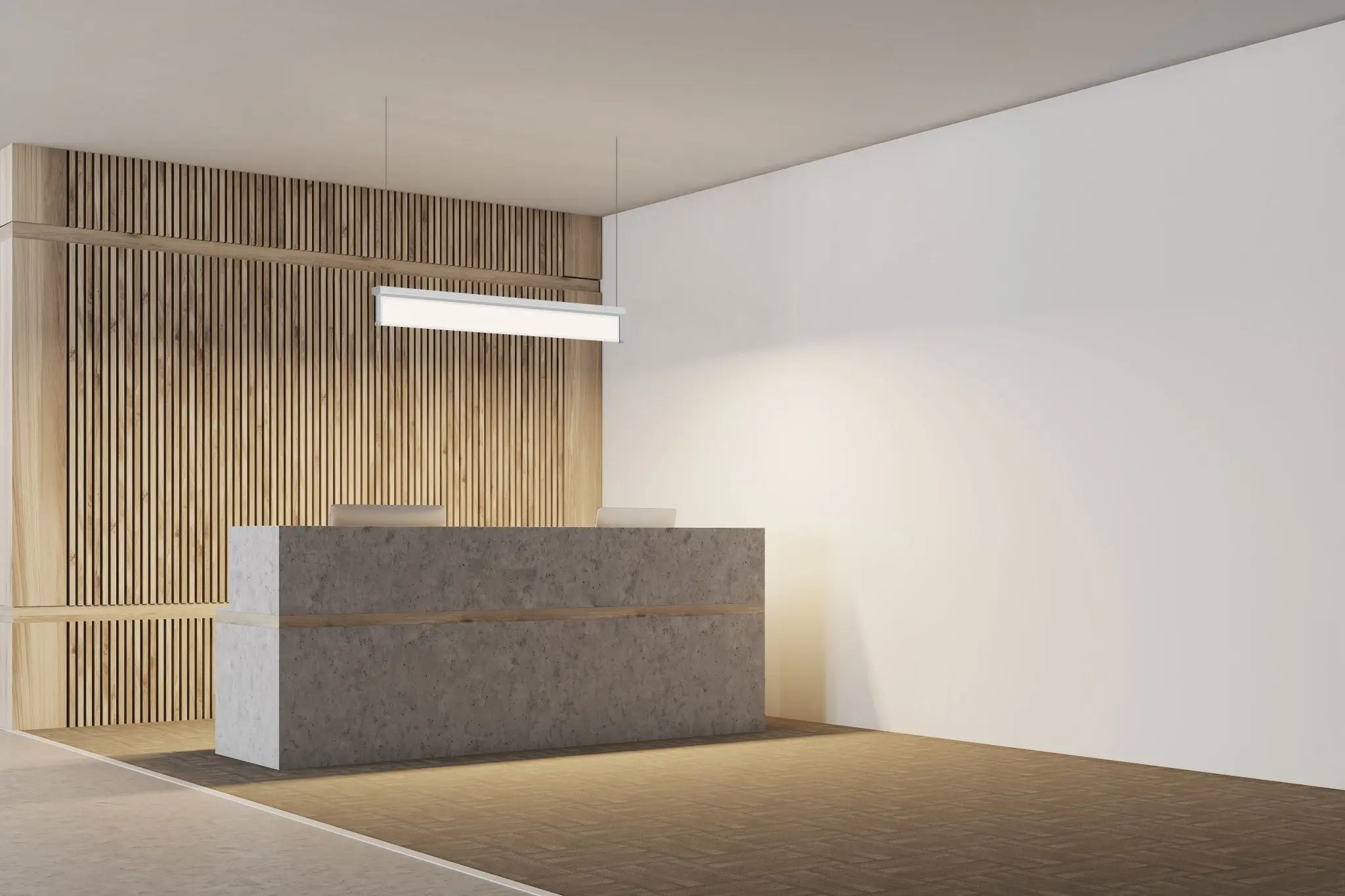
Lighting mistakes are expensive in commercial buildings. Too little light hurts safety and productivity; too much wastes energy and budget. A commercial LED lighting lumen calculator solves that problem by estimating the total light output required for a space before fixtures are installed. The lumen, the SI unit that measures visible light output, helps quantify how bright a lighting system will be. According to Wikipedia, a lumen measures the perceived power of visible light emitted by a source, which makes it the most useful metric when designing interior lighting systems. Using a structured calculation helps contractors and facility managers select the right fixtures the first time. Resources such as The JQZ Lighting Journal provide practical guidance for selecting commercial-grade LED products that match those calculated lighting requirements.
What a Commercial LED Lighting Lumen Calculator Actually Measures
A lumen calculator estimates the total luminous flux required to illuminate a room or building area. Instead of guessing fixture counts, designers start with the amount of light needed per square foot and work backward to determine how many fixtures should be installed.
An LED lamp produces light using light‑emitting diodes and is significantly more energy efficient than incandescent or fluorescent technologies. Because LED fixtures vary widely in output, calculating lumens ensures the chosen fixture delivers the required brightness.
Key idea: Commercial lighting design focuses on the total lumens delivered to a space, not just the number of fixtures installed.
Core Lighting Terms Used in Lumen Calculations
Understanding several common lighting metrics prevents costly design errors:
- Lumens (lm): total visible light produced by a lamp or fixture
- Footcandles (fc): lumens per square foot reaching a surface
- Lux: metric measurement of illumination (1 lux = 1 lumen per square meter)
- Efficacy (lm/W): how efficiently a light converts electricity into light
- Beam distribution: how light spreads across the space
Commercial LED fixtures often produce 10,000 to 60,000 lumens depending on type, especially in warehouses or manufacturing facilities.
Why Lumens Matter More Than Watts in Modern Lighting
Older lighting design relied heavily on wattage because incandescent bulbs produced predictable brightness levels. LED technology changed that assumption.
Two LED fixtures consuming the same wattage may produce very different light levels. Lumen output therefore became the primary metric for lighting design, especially when upgrading older fluorescent or HID systems.
For commercial projects documented on The JQZ Lighting Journal, installers typically start with lumen targets and then choose fixtures that meet those requirements efficiently.
The Lumen Method: How to Calculate Lighting Requirements for a Space
The lumen method remains the most widely used way to estimate lighting requirements for commercial spaces. It combines floor area with the target illumination level.

The basic formula is simple:
Total Lumens Required = Area (sq ft) × Target Footcandles
Footcandles represent how much light should reach the work surface. Different industries require different levels of illumination for safety, productivity, or customer experience.
Typical Footcandle Targets by Commercial Application
| Commercial Space | Recommended Footcandles | Typical Lighting Type |
|---|---|---|
| Warehouse storage aisles | 10–30 fc | High bay LED fixtures |
| Manufacturing floors | 30–50 fc | Linear high bays or panels |
| Retail stores | 50–80 fc | Track lighting and panels |
| Offices | 30–50 fc | LED panel lights |
| Parking lots | 5–20 fc | LED parking lot lights |
These ranges reflect common industry design practices for commercial environments.
Example Lumen Calculation for a Warehouse
Consider a warehouse measuring 10,000 square feet that requires 30 footcandles of illumination.
- Measure total floor area
- Determine recommended footcandle level
- Multiply area by target illumination
Calculation:
10,000 sq ft × 30 fc = 300,000 lumens required
If a high bay fixture produces 30,000 lumens, the space would need roughly 10 fixtures before accounting for spacing and layout.
This calculation provides the baseline designers use before choosing mounting height or beam distribution.
Factors That Affect Lumen Requirements in Commercial Buildings
Two spaces with identical square footage rarely need the same lighting. Ceiling height, reflectivity, and task visibility can significantly change lumen requirements.
Ceiling Height and Fixture Mounting Distance
Higher ceilings require more powerful fixtures because light spreads and weakens before reaching the floor.
Typical commercial lighting guidelines:
- 8–12 ft ceilings: LED panels or troffers
- 12–20 ft ceilings: mid‑power high bay lights
- 20–40 ft ceilings: high‑output industrial high bays
Warehouses with 30‑foot ceilings may require fixtures producing 30,000 to 50,000 lumens each to maintain proper illumination at floor level.
Surface Reflectance and Interior Finishes
Walls, floors, and ceilings reflect or absorb light. Bright surfaces reduce the number of lumens needed.
Examples:
- White ceilings reflect light efficiently
- Concrete floors absorb more light
- Dark shelving reduces effective brightness
Lighting design research in human‑centric lighting emphasizes how environmental factors influence perceived brightness and comfort. A 2021 study by Kevin W. Houser and Tony Esposito examined how lighting design affects visual performance and occupant experience in interior spaces. Frontiers in Neurology study
Lighting performance depends not only on fixture output but also on how surfaces reflect and distribute that light.
Task Visibility and Safety Requirements
Industrial tasks require higher brightness levels than storage areas. For example:
- Assembly lines require stronger illumination
- Quality inspection areas demand very bright lighting
- Storage aisles require lower levels
Facility managers often adjust lumen targets based on operational needs rather than relying solely on square footage.
Choosing LED Fixtures After Calculating Lumens
Once the lumen requirement is known, the next step is selecting fixtures that deliver that output efficiently. Commercial LED fixtures vary in design, light distribution, and installation method.

Common Commercial LED Fixtures and Their Typical Output
| Fixture Type | Typical Lumen Range | Common Applications |
|---|---|---|
| LED High Bay | 15,000–60,000 lm | Warehouses, factories |
| LED Panel Light | 3,000–6,000 lm | Offices, schools |
| LED Tube Light | 2,000–3,500 lm | Retail shelves, offices |
| LED Wall Pack | 4,000–20,000 lm | Building exteriors |
| LED Parking Lot Light | 15,000–50,000 lm | Parking areas |
Commercial buyers often prioritize three factors when selecting fixtures:
- Efficiency (lumens per watt)
- DLC listing for rebate eligibility
- UL or ETL safety certification
Many contractors reference resources from The JQZ Lighting Journal when evaluating fixture specifications for warehouses, retail spaces, and outdoor installations.
Fixture Layout and Spacing Considerations
Even with correct lumen totals, poor fixture placement can create dark spots or glare. Designers usually plan lighting grids that evenly distribute brightness across the space.
Basic spacing guidelines include:
- Maintain consistent fixture spacing rows
- Avoid placing lights directly above shelving obstructions
- Align lighting with work areas or aisles
- Check beam angle for proper coverage
Lighting layout software can refine these placements, but the lumen calculator provides the initial planning baseline.
How Lumen Calculators Fit Into Energy‑Efficient Building Design
Accurate lighting calculations support broader sustainability goals in commercial buildings. Efficient lighting design reduces energy demand, operational costs, and carbon emissions.
Research on carbon‑neutral urban systems highlights how energy‑efficient infrastructure, including lighting, contributes to lower overall building energy consumption. A 2022 study by Nicos Komninos examined strategies for energy‑efficient districts and highlighted smart infrastructure as a key component of sustainable cities. Net Zero Energy Districts research
Energy Benefits of Proper Lumen Planning
Correct lighting calculations prevent over‑installation of fixtures.
Benefits include:
- Lower electricity consumption
- Reduced maintenance costs
- Longer fixture lifespan
- Easier compliance with energy codes
LED systems already consume significantly less energy than older lighting technologies, and accurate lumen planning maximizes those savings.
What to Expect in Commercial Lighting Design by 2027
Commercial lighting planning continues to evolve alongside smart building technology.
Emerging trends include:
- Sensor‑based lighting systems that adjust brightness automatically
- Smart lighting networks integrated with building management systems
- Higher efficiency LED chips producing more lumens per watt
These technologies still rely on the same fundamental metric: total lumens required for the space.
Many contractors now combine lumen calculators with product research tools available on platforms such as The JQZ Lighting Journal to identify fixtures that meet both brightness and efficiency targets.
Conclusion
A commercial LED lighting lumen calculator removes guesswork from lighting design. By calculating square footage, selecting proper footcandle levels, and matching those values with LED fixture output, contractors and facility managers can design lighting systems that are bright, efficient, and cost‑effective.
Before purchasing fixtures, calculate your required lumens, evaluate ceiling height and reflectivity, then choose certified commercial fixtures that meet those targets. For deeper guidance on selecting high‑bay lights, panels, parking lot fixtures, and other commercial LED solutions, explore the resources available at The JQZ Lighting Journal. The platform provides practical insights to help builders, electricians, and property owners design lighting systems that perform reliably for years.