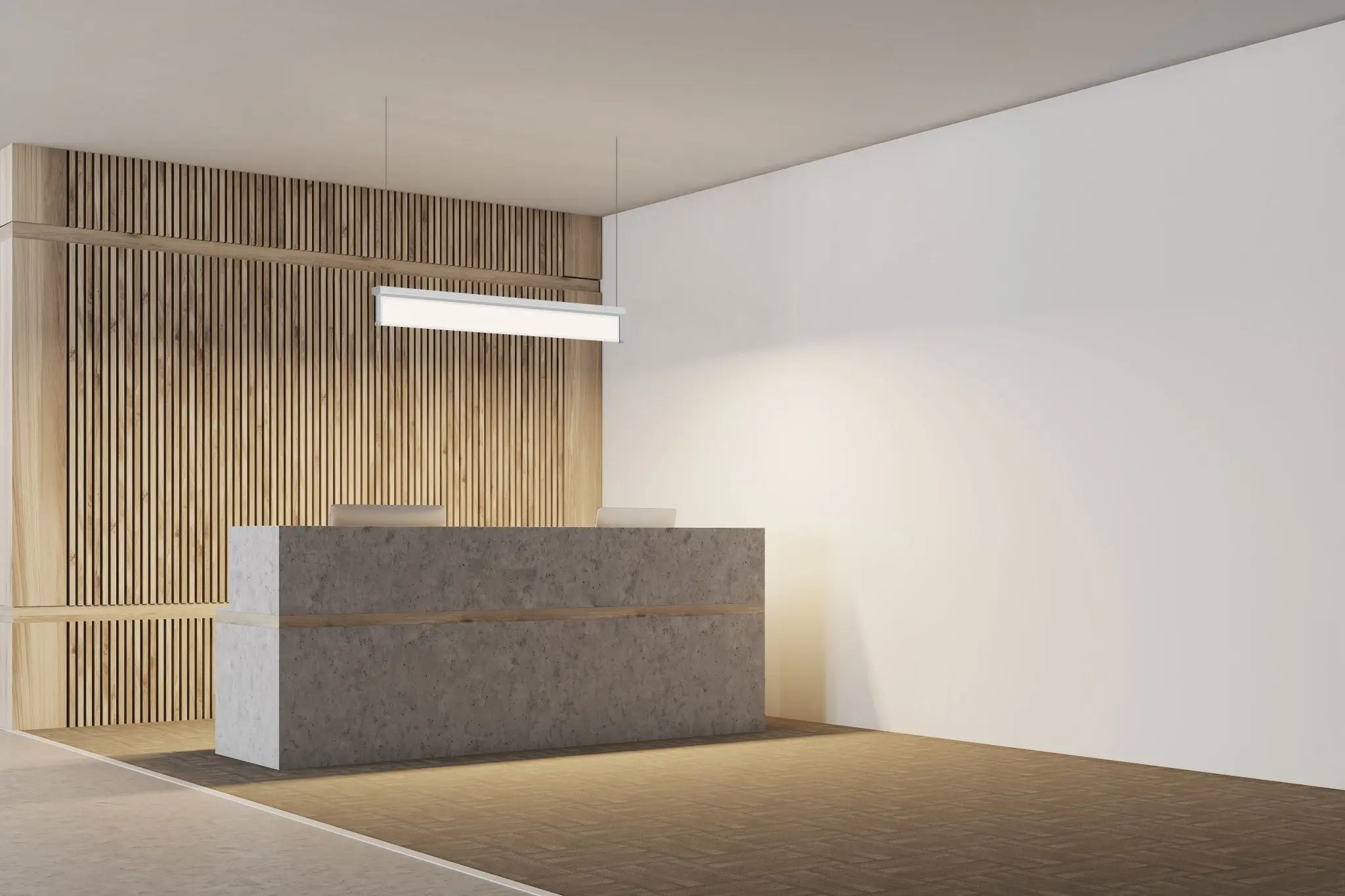
Classroom lighting influences far more than visibility. The type of light used in schools can affect energy costs, building sustainability, and the comfort of students and staff. Modern LED lamps, which produce light using light‑emitting diodes, are now replacing fluorescent and older lighting technologies across educational facilities because they consume less electricity and last longer. For facility managers and contractors, LED upgrades also simplify maintenance while improving visual conditions in classrooms, corridors, and athletic spaces. Resources such as The JQZ Lighting Journal highlight how commercial LED fixtures are being adopted across schools, colleges, and training facilities as administrators look for durable, energy‑efficient lighting solutions that meet current building standards.
Why Lighting Design Matters in Educational Buildings
School facilities are built around a specialized form of building design called educational architecture, where layouts and systems are planned to support teaching, collaboration, and safety. Lighting is a major component of that design because students spend long hours inside classrooms, libraries, and labs.
Older lighting technologies such as fluorescent tubes or gas‑discharge systems often produce uneven brightness and require frequent replacement. By comparison, LED fixtures provide stable illumination and flexible installation options for both new construction and retrofits.
Lighting quality directly affects visibility, comfort, and the usability of teaching spaces, which makes it a central element of modern school design.
Educational buildings also have unique lighting needs that differ from offices or retail stores. Rooms may serve multiple purposes throughout the day, from lectures to digital presentations, group work, and exams.
Key Lighting Needs in Schools
- Consistent illumination for reading, writing, and digital screens
- Reduced glare on whiteboards and projectors
- Reliable emergency and corridor lighting
- Energy efficiency for large campuses
- Long fixture lifespan to minimize maintenance disruptions
Because many schools operate on tight budgets, lighting upgrades must deliver measurable operational savings without sacrificing performance. That balance is one of the main reasons LED systems have become the preferred option in new educational construction.
Energy Efficiency and Sustainability Gains From LED Retrofits
School districts often manage dozens of buildings with thousands of light fixtures. Switching those fixtures to LED technology can significantly reduce electricity consumption and long‑term operational costs.
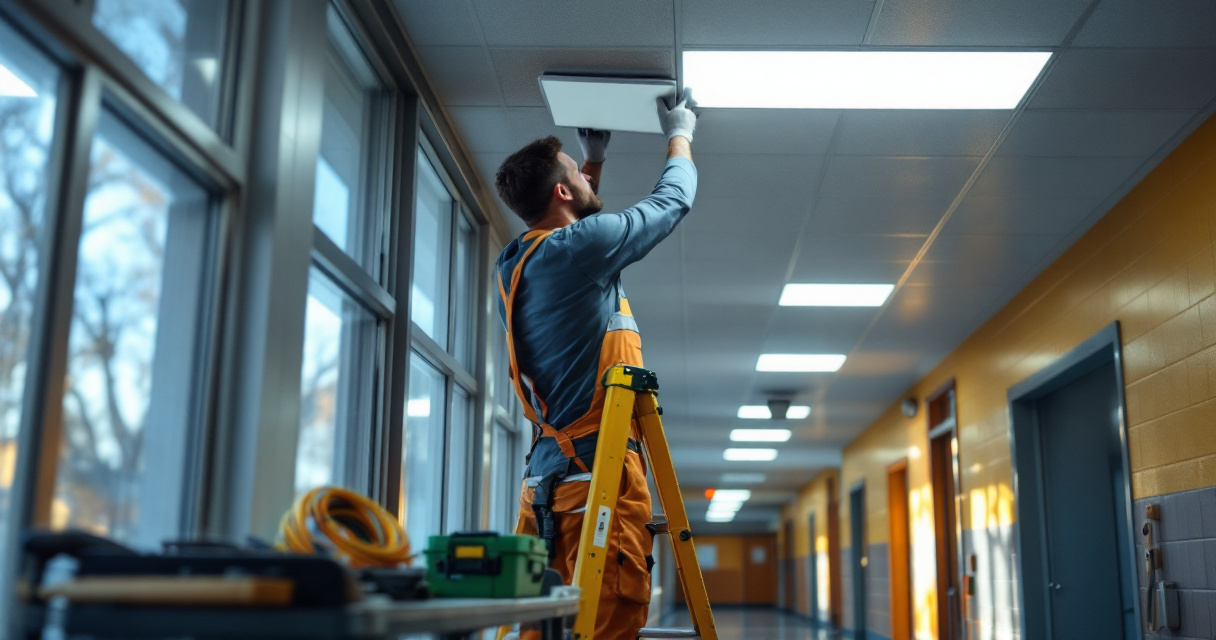
Research on sustainable development frameworks, including a 2023 study in Sustainability examining integrated socio‑economic environmental models, emphasizes that energy‑efficient infrastructure is a key strategy for reducing institutional environmental impact (Hariram et al., 2023). Lighting upgrades are one of the fastest ways schools can improve energy performance.
Typical Differences Between Legacy Lighting and LED Systems
| Lighting Type | Average Lifespan | Energy Use | Maintenance Needs |
|---|---|---|---|
| Fluorescent tubes | Moderate | Medium | Lamp replacements required |
| Metal halide | Shorter in high‑use spaces | High | Frequent ballast and lamp changes |
| LED fixtures | Long service life | Low | Minimal maintenance |
LED fixtures use less power while delivering equal or higher brightness. Over time, that difference compounds across large campuses.
Operational Benefits for Schools
- Lower electricity bills across classrooms, gyms, and hallways
- Reduced maintenance visits because LEDs last longer
- Fewer lamp replacements and disposal requirements
- Compatibility with occupancy sensors and daylight controls
Contractors and facility managers frequently turn to technical resources like The JQZ Lighting Journal to compare commercial LED options such as panel lights, high bay fixtures, and tube replacements designed for institutional environments.
Where LEDs Deliver the Most Value on Campus
Not every space in a school building requires the same lighting design. Classrooms, sports facilities, and exterior areas each demand different brightness levels and fixture types. LED technology works well in these varied environments because it comes in many formats.
Common LED Applications in Educational Facilities
| School Area | Recommended LED Fixture | Purpose |
|---|---|---|
| Classrooms | LED panel lights or troffers | Even, glare‑controlled illumination |
| Hallways and stairwells | LED linear fixtures | Continuous lighting with low maintenance |
| Gyms and auditoriums | LED high bay lights | Powerful output for large spaces |
| Parking lots | LED parking lot lights | Safety and nighttime visibility |
| Exterior entrances | LED wall packs | Security and building access lighting |
Each location has its own performance priorities. A science lab may require bright, consistent lighting for precision tasks, while a library benefits from softer ambient illumination.
Example Upgrade Path for Schools
- Replace fluorescent troffers with LED panel fixtures in classrooms.
- Upgrade gymnasium metal halide lights to LED high bays.
- Install LED wall packs and parking lot lights for campus security.
- Add motion sensors in corridors and storage rooms.
Bulk purchasing often plays a major role in these projects. Wholesale suppliers highlighted in The JQZ Lighting Journal frequently provide DLC‑listed and rebate‑eligible fixtures that help schools reduce upfront costs through utility incentives.
Lighting Quality, Student Comfort, and Learning Environments
Lighting does more than illuminate desks. Poor lighting conditions can create glare on screens, uneven shadows, or eye strain during long study periods. LED fixtures address many of these issues because they can deliver consistent color quality and directional light.

Modern classroom lighting systems also allow for better integration with digital learning tools. Interactive displays, projectors, and tablets are now common in classrooms, which means lighting must support both printed materials and screens.
Consistent, well‑distributed light helps students stay visually comfortable during long lessons, reducing distractions caused by glare or dim corners.
Features That Improve Classroom Lighting
- Uniform light distribution across desks and whiteboards
- Flicker‑free operation compared with some legacy systems
- Better color rendering for textbooks and visual materials
- Instant startup without warm‑up delays
These improvements matter because students spend thousands of hours under classroom lighting throughout their education. Even small upgrades in visual comfort can make a noticeable difference in daily classroom usability.
Facility planners researching fixture options often consult resources like The JQZ Lighting Journal platform for comparisons between commercial LED panel lights, tube replacements, and high‑output fixtures suitable for lecture halls and laboratories.
What to Expect in School Lighting Through 2027
LED technology is still evolving. Educational institutions planning renovations or new construction are increasingly combining LEDs with digital building controls and sustainability programs.
A 2021 editorial reflection on digital technologies and climate strategy published in the International Journal of Information Management highlights how digital infrastructure plays a role in environmental solutions across industries (Dwivedi et al., 2021). Lighting control systems are part of that shift because they enable smarter energy management.
Trends Shaping School Lighting
- Smart lighting controls that adjust brightness automatically
- Integration with building management systems
- Expanded use of daylight harvesting near windows
- Higher adoption of rebate‑eligible LED products
Why Planning Ahead Matters
Schools typically renovate lighting every 10 to 20 years. Choosing adaptable LED fixtures now ensures buildings remain compatible with future energy standards and smart control technologies.
Contractors, builders, and school administrators who track industry updates through sources such as The JQZ Lighting Journal can stay informed about emerging fixture designs and energy rebate opportunities for institutional projects.
Conclusion
LED lighting has quickly become the preferred option for classrooms, campuses, and training facilities because it addresses three priorities at once: energy efficiency, reliable performance, and improved learning environments. Schools that replace older fluorescent or metal‑halide fixtures with modern LED panels, high bays, and exterior lights often see lower maintenance demands and better visual comfort for students and staff.
For facility managers, contractors, and builders planning school upgrades, staying informed about fixture types and rebate‑eligible products is essential. Industry resources like The JQZ Lighting Journal provide guidance on commercial LED solutions, wholesale purchasing options, and installation strategies for large educational buildings. Reviewing those insights can help you plan the next lighting upgrade with confidence and long‑term cost savings in mind.