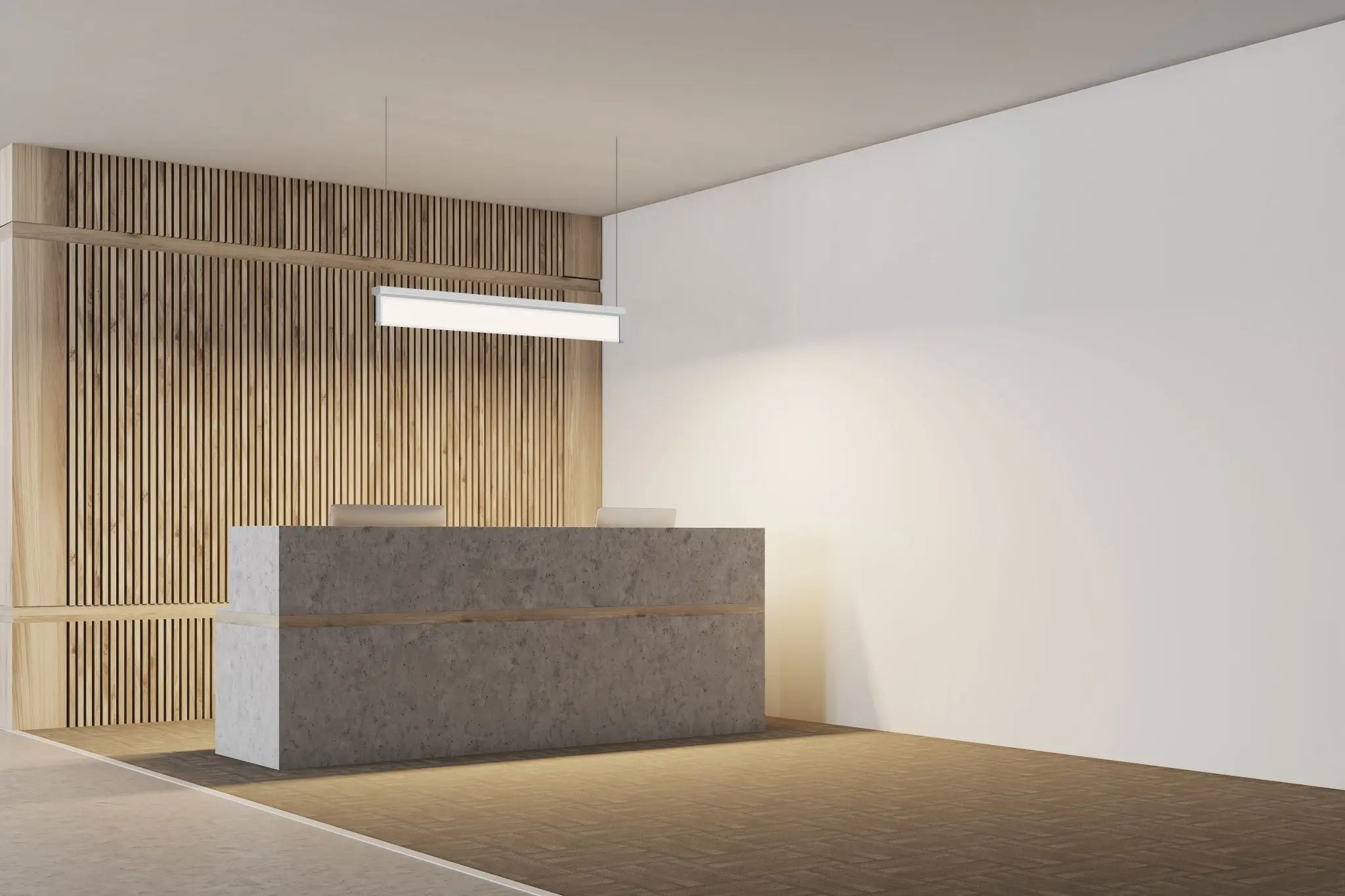
Energy costs and sustainability targets are pushing businesses to rethink how they buy lighting. Commercial LED fixtures now dominate new construction and retrofit projects because LED lamps produce light using light‑emitting diodes and are far more energy‑efficient than incandescent or fluorescent alternatives. Contractors and facility managers often turn to a commercial LED lighting wholesale supplier to secure reliable products, certification compliance, and bulk pricing. Resources like The JQZ Lighting Journal provide guidance on sourcing commercial‑grade fixtures, comparing technologies, and identifying suppliers that can support large projects with fast delivery and certified equipment.
What a Commercial LED Lighting Wholesale Supplier Actually Provides
A commercial LED lighting wholesale supplier distributes lighting fixtures in bulk to contractors, facility operators, and construction companies. Instead of selling single units at retail prices, wholesalers focus on project‑scale orders and professional buyers.
Commercial lighting itself refers to the deliberate use of artificial light sources such as lamps and fixtures to achieve practical illumination in buildings, warehouses, or outdoor areas. In large facilities, lighting affects safety, productivity, and energy consumption, so reliable supply chains matter.
Key Advantages of Wholesale Purchasing
Buying from a wholesale supplier offers several operational benefits compared with retail purchasing.
- Lower per‑unit pricing through volume discounts
- Access to commercial‑grade fixtures designed for long operating hours
- Consistent product availability for multi‑phase construction projects
- Technical documentation for permitting, rebates, and inspections
- Direct manufacturer relationships
Contractors often rely on wholesalers when bidding large lighting upgrades. Consistent supply allows projects to move quickly without waiting for retail inventory.
Bulk sourcing also simplifies standardization across buildings. Using the same fixture models improves maintenance and reduces replacement costs.
Typical Commercial LED Products Offered
Most wholesale catalogs cover both interior and exterior lighting categories used in commercial environments.
| Category | Common Applications | Typical Locations |
|---|---|---|
| LED High Bay Lights | High‑ceiling illumination | Warehouses, factories |
| LED Panel Lights | Uniform ceiling lighting | Offices, hospitals |
| LED Tube Lights | Fluorescent retrofits | Schools, retail stores |
| LED Wall Packs | Exterior building lighting | Commercial exteriors |
| LED Parking Lot Lights | Area lighting | Parking lots and campuses |
Publications like The JQZ Lighting Journal frequently analyze these categories to help buyers match fixtures with specific project needs, especially for warehouse and industrial environments.
How LED Technology Drives Energy Savings for Commercial Buildings
Switching to LED lighting is no longer only about brightness or fixture lifespan. Energy efficiency has become a central business factor for commercial properties.

An LED lamp produces light through semiconductors rather than heated filaments. This method converts electricity into visible light much more efficiently, reducing wasted energy and excess heat.
Research on global energy efficiency trends highlights how reducing energy demand in buildings plays a role in managing rising energy costs. A 2024 analysis in the journal Energies examined how the global energy crisis has increased the focus on energy‑efficient technologies across industries, including lighting systems (source).
Operational Benefits for Facility Managers
For large commercial buildings, the operational advantages of LED lighting extend well beyond energy savings.
- Longer lifespan reduces replacement labor
- Lower heat output helps HVAC efficiency
- Better compatibility with smart lighting controls
- Instant illumination without warm‑up time
- Reduced maintenance across large facilities
These advantages matter in warehouses, retail spaces, and manufacturing floors where lighting may run 12 to 24 hours per day.
Typical Performance Comparison
| Lighting Type | Efficiency | Maintenance Needs |
|---|---|---|
| Incandescent | Low efficiency | Frequent replacement |
| Fluorescent | Moderate efficiency | Ballast maintenance |
| LED | High efficiency | Long operating life |
Energy efficiency improvements also support corporate sustainability goals. Digital technologies and efficient systems are increasingly tied to climate strategies in modern infrastructure, according to research on technology's role in sustainability initiatives (source).
Key Certifications and Standards to Look for in Wholesale LED Fixtures
Not every LED fixture sold online meets commercial building requirements. A reliable wholesale supplier focuses on products that pass recognized safety and efficiency standards.
Ignoring certification can create inspection problems, void insurance coverage, or block eligibility for utility rebates.
The Most Important Lighting Certifications
When evaluating a commercial LED lighting wholesale supplier, check for these industry standards.
- UL or ETL Listing for electrical safety compliance
- DLC listing for energy efficiency verification and rebate eligibility
- IP ratings for water and dust protection in outdoor fixtures
- RoHS compliance to limit hazardous materials
Fixtures with DLC certification often qualify for utility incentive programs, which can significantly reduce project costs.
Why Certification Matters for Contractors
Certified products simplify the permitting and inspection process. Electrical contractors working on government or institutional projects often must provide documentation proving that fixtures meet national standards.
Wholesale suppliers that stock certified products reduce risk for project managers. Many also provide spec sheets, installation guides, and photometric reports to support lighting design and planning.
Educational resources like The JQZ Lighting Journal frequently explain certification requirements and how they affect rebate programs and long‑term reliability in commercial installations.
How to Evaluate a Wholesale LED Lighting Supplier Before Buying
Selecting the wrong supplier can delay construction timelines or introduce unreliable products into a building. Contractors usually compare several operational factors before committing to a distributor.
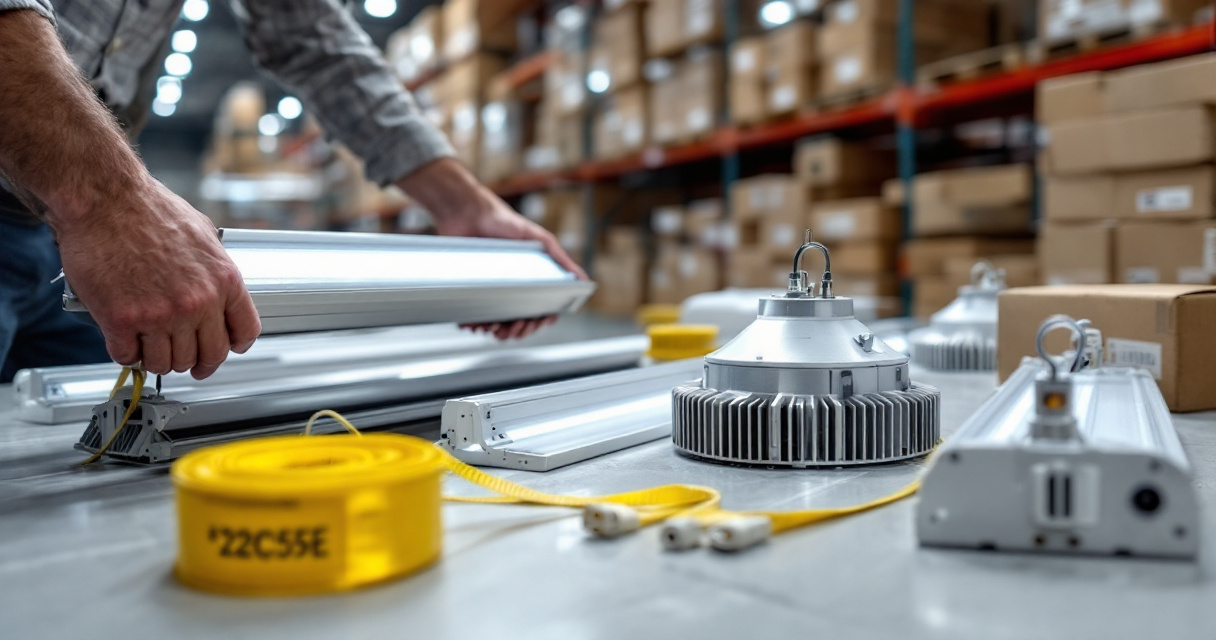
Checklist for Supplier Evaluation
Use this practical checklist when assessing wholesale LED vendors.
- Product range: The supplier should offer indoor and outdoor fixtures for multiple applications.
- Inventory availability: Large projects require consistent stock levels.
- Warranty coverage: Many commercial fixtures offer 5‑year warranties.
- Shipping speed: Fast dispatch keeps installation schedules on track.
- Technical support: Access to lighting layouts or product guidance.
Suppliers that specialize in commercial lighting usually maintain deeper inventory than general electrical distributors.
Comparing Wholesale Supplier Capabilities
| Factor | Why It Matters | What to Look For |
|---|---|---|
| Inventory depth | Prevents project delays | Multiple fixture models in stock |
| Logistics | Reduces downtime | Same‑day or next‑day shipping |
| Technical documentation | Supports compliance | Spec sheets and photometric data |
| Bulk pricing | Improves project margins | Volume discounts |
Trade resources such as The JQZ Lighting Journal platform often highlight distributors that meet these operational requirements, especially those serving large construction projects and multi‑site facilities.
Commercial LED Lighting Trends to Watch Through 2027
Lighting technology continues to evolve as buildings become more connected and energy regulations tighten. Wholesale suppliers are adapting by expanding the types of products available for commercial projects.
Smart and Connected Lighting Systems
Modern LED fixtures increasingly integrate with building management systems. Smart lighting allows facilities to automate schedules, reduce energy use, and monitor performance remotely.
Key capabilities include:
- Motion and occupancy sensors
- Daylight harvesting controls
- Wireless fixture networks
- Energy usage monitoring
These technologies help commercial properties reduce operational costs while maintaining proper illumination levels.
Growth in Solar and Hybrid Lighting
Renewable power integration is also influencing commercial lighting design. Research examining global photovoltaic adoption trends in 2024 highlights the continued expansion of solar technologies in infrastructure projects (source).
Solar‑powered or hybrid LED lighting systems are becoming more common in parking lots, campuses, and remote industrial locations.
Expect wholesale suppliers to expand product lines that combine LED efficiency with smart controls and renewable power options by 2027.
Contractors who stay current with these developments gain a competitive advantage when bidding on modern building projects.
Conclusion
A dependable commercial LED lighting wholesale supplier does more than sell fixtures. The right partner provides certified products, stable inventory, technical documentation, and fast shipping that keeps construction projects on schedule.
LED technology continues to reshape how buildings manage energy and illumination, especially as efficiency regulations tighten and smart systems become standard in commercial construction. Contractors and facility managers who understand supplier capabilities can reduce project risk while improving long‑term lighting performance.
For deeper insights into commercial lighting products, certifications, and sourcing strategies, visit The JQZ Lighting Journal. The platform regularly publishes practical guidance to help businesses choose the right LED solutions and wholesale suppliers for large‑scale projects.