Exterior lighting directly affects security, safety, and operating costs for commercial buildings. One of the most common fixtures used across warehouses, retail stores, schools, and industrial facilities is the LED wall pack. These rugged lights mount to exterior walls and deliver wide-area illumination for walkways, parking zones, and service entrances. According to the definition of an LED lamp, light is produced using light‑emitting diodes that consume significantly less electricity than incandescent or fluorescent lamps while producing the same or higher brightness. This efficiency is a major reason commercial buildings are switching to LED-based outdoor lighting. Through resources and product insights shared on The JQZ Lighting Journal, facility managers and contractors can evaluate modern LED wall pack options, understand installation considerations, and choose fixtures that meet both performance and rebate requirements.
What Commercial LED Wall Pack Lights Are and Why Businesses Use Them
Commercial wall pack fixtures are outdoor lights mounted directly on building exteriors to illuminate surrounding areas. Their design projects light outward and downward to cover walkways, service doors, loading docks, and parking lot edges. Unlike floodlights mounted on poles, wall packs integrate with the building structure, making them a practical choice for perimeter lighting.
An LED lamp produces light using semiconductor diodes rather than heated filaments or gas tubes. According to the definition documented on Wikipedia's LED lamp page, LEDs provide significantly higher energy efficiency and longer operational life compared with incandescent or fluorescent alternatives. For commercial properties operating lights overnight, this difference translates into noticeable energy savings.
Common characteristics of commercial LED wall packs
- Weather‑sealed aluminum housings designed for outdoor environments
- High lumen output suitable for security and area lighting
- Wide beam patterns that spread light across sidewalks and walls
- Integrated photocells or motion sensors for automated operation
- Long lifespans that reduce maintenance visits
Well‑placed wall packs create safer building perimeters while lowering operating costs, which is why they remain a standard fixture in modern commercial lighting plans.
Facility managers researching upgrades often use educational resources such as The JQZ Lighting Journal to compare fixture designs and determine which wall pack style fits their building layout.
Main Types of LED Wall Pack Fixtures Used in Commercial Properties
Not all wall packs produce light the same way. Over the last decade, manufacturers introduced several styles to improve distribution, reduce glare, and meet updated lighting standards.
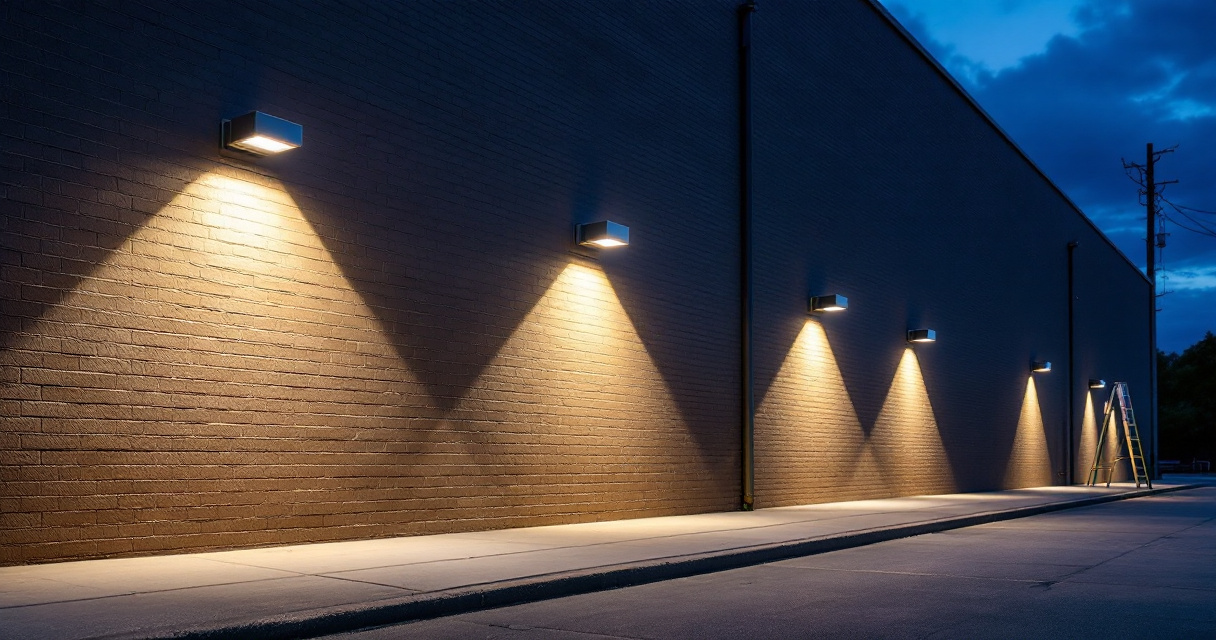
Choosing the correct type depends on the building height, mounting position, and the amount of coverage required.
Comparison of common commercial wall pack styles
| Wall Pack Type | Light Distribution | Typical Use Case |
|---|---|---|
| Traditional Wall Pack | Wide forward throw | Warehouses, industrial buildings |
| Full Cutoff Wall Pack | Directed downward light | Areas needing reduced glare or light spill |
| Semi‑Cutoff Wall Pack | Balanced spread and control | Retail buildings and schools |
| Slim LED Wall Pack | Compact design with modern optics | Renovations and modern architecture |
| Adjustable Wall Pack | Adjustable beam angle | Loading docks and flexible lighting zones |
Traditional wall packs were once designed around metal halide or high pressure sodium lamps. Modern LED versions provide similar brightness with far lower wattage while offering better optical control.
Which style works best for most commercial buildings
Many new installations prefer full cutoff or slim LED wall packs because they direct light downward and reduce glare. This design also helps limit light pollution, an increasing concern in urban areas and commercial developments.
Slim fixtures also simplify retrofits because they weigh less and mount easily on existing junction boxes. Contractors working on renovation projects often prioritize these designs for faster installation and improved aesthetics.
Where LED Wall Pack Lights Deliver the Most Value
Wall packs are rarely used as standalone lighting. Instead, they support a broader exterior lighting strategy that may also include parking lot lights, canopy lights, and space fixtures.
Strategic placement helps eliminate dark zones around buildings, which improves safety and deters unwanted activity.
High‑impact applications across commercial facilities
- Warehouse perimeters: lighting for truck docks and service doors
- Retail storefronts: improved visibility for customers at night
- Office buildings: walkway illumination between parking areas and entrances
- Industrial plants: security lighting along facility boundaries
- Schools and campuses: safe paths for students and staff
These environments often require reliable illumination every night of the year. LEDs support this requirement because their long operating life reduces bulb replacements and maintenance interruptions.
Placement guidelines that improve coverage
Lighting designers typically follow a few practical rules when positioning wall packs:
- Mount fixtures 10 to 20 feet above ground for wider coverage.
- Place lights near building corners to eliminate dark zones.
- Combine wall packs with pole lighting in large parking areas.
- Use photocells or motion sensors to automate nighttime operation.
Consistent spacing between fixtures creates even lighting levels and prevents glare hotspots near entrances or service areas.
Many property managers reference technical resources on The JQZ Lighting Journal platform when planning upgrades because the site focuses specifically on commercial LED lighting systems.
Key Performance Factors When Buying Commercial LED Wall Packs
Selecting the right fixture involves more than choosing brightness. Commercial buyers also evaluate durability, efficiency ratings, and compliance certifications.
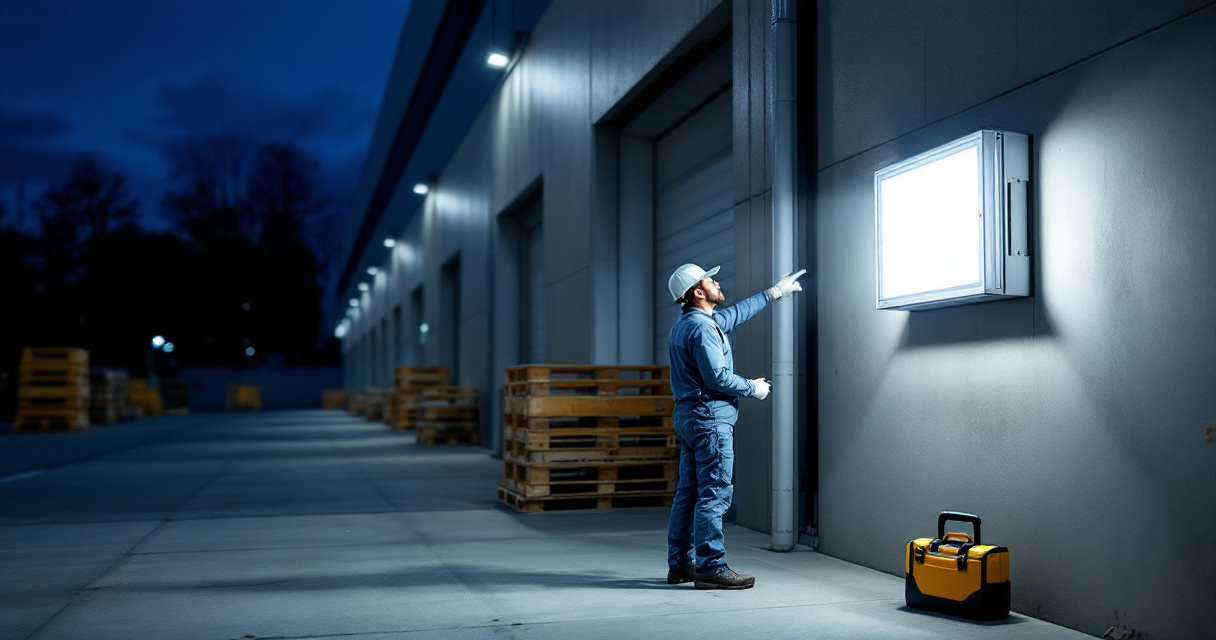
Ignoring these details can lead to higher energy costs or premature fixture failure.
Important specifications contractors should review
- Lumen output: determines how much visible light the fixture produces
- Wattage and efficacy: affects electricity consumption
- IP rating: indicates protection against dust and water
- Color temperature: often 4000K or 5000K for outdoor security lighting
- Photocell compatibility: enables automatic dusk‑to‑dawn operation
A higher efficacy fixture produces more lumens per watt, which means stronger illumination while using less electricity.
Why certification and rebates matter for businesses
Commercial buyers frequently look for UL or ETL safety certification and DLC listing. These certifications confirm that fixtures meet recognized safety and performance standards.
DLC‑listed lighting products may also qualify for energy efficiency rebates offered by utility companies. These incentives can reduce the total project cost when upgrading from older HID lighting systems.
Wholesale distributors featured in The JQZ Lighting Journal often highlight these certifications because contractors need them for commercial project approvals and rebate documentation.
Future Trends for Commercial Wall Pack Lighting Beyond 2026
Exterior lighting continues to evolve as buildings adopt smarter energy management systems. LED wall packs are becoming more integrated with automation and monitoring technologies.
Smart lighting and sensor integration
New fixtures increasingly support networked lighting controls. Instead of simple on‑off photocells, systems may include:
- Motion sensors that dim lights when areas are empty
- Wireless control platforms for remote monitoring
- Adaptive brightness that responds to surrounding light levels
These features reduce energy consumption while still maintaining security lighting throughout the night.
Efficiency improvements expected by 2027
LED technology continues to advance through improved semiconductor materials and optical designs. Research examining future electronic systems and energy technologies, such as work published in the IEEE communications field, highlights how ongoing semiconductor new idea can improve efficiency and system integration across industries (study overview).
For commercial lighting, this trend typically results in:
- Higher lumen output per watt
- Smaller fixture housings
- Improved heat management and longer lifespans
Facility owners planning renovations in the next few years will likely see slimmer, brighter wall packs that integrate more easily with smart building infrastructure.
Conclusion
Commercial LED wall pack lights remain one of the most practical upgrades for improving building safety and reducing electricity use. Their ability to illuminate entrances, walkways, and perimeter zones makes them essential for warehouses, retail centers, and industrial facilities. Modern designs provide stronger light output, better glare control, and longer service life compared with legacy HID fixtures.
When evaluating options, focus on lumen output, optical design, certification status, and automation features. Full cutoff or slim LED designs are often the best choice for new installations because they deliver controlled illumination without excessive glare.
For contractors and facility managers looking to compare fixtures, installation practices, and energy‑efficient upgrades, visit The JQZ Lighting Journal. The platform provides practical insights on commercial LED lighting products and helps businesses choose reliable solutions for large‑scale exterior lighting projects.