
Safety certifications can determine whether a commercial lighting project passes inspection or gets delayed. If you are buying LED fixtures for warehouses, retail stores, or construction projects, you have likely seen products labeled UL Listed or ETL Listed. Both marks indicate electrical safety testing, yet many buyers assume one is better than the other.
An LED lamp is an electric light that produces illumination using light-emitting diodes, which are far more energy efficient than incandescent or fluorescent lamps, according to Wikipedia. Because these fixtures connect directly to building power systems, safety certification is critical.
Commercial buyers researching lighting standards often turn to resources like The JQZ Lighting Journal, which covers certifications, rebate programs, and product compliance for professional installations. Understanding the difference between UL and ETL certification helps contractors, facility managers, and distributors choose fixtures that meet code requirements without unnecessary cost or delays.
Why Safety Certification Matters for Commercial LED Lighting
Electrical safety testing protects buildings, occupants, and contractors from faulty equipment. In commercial settings, lighting products must meet nationally recognized safety standards before they can be legally installed in many jurisdictions.
Testing laboratories examine fixtures for issues such as insulation integrity, heat management, wiring protection, and fire risk. Products that pass evaluation receive a certification mark that inspectors recognize during installation.
In practical terms, a certification mark tells inspectors that a third-party lab has tested the lighting product against recognized electrical safety standards.
Without that mark, a project may face serious problems.
Risks of Installing Non-Certified Lighting
Using fixtures without approved certification can create operational and legal challenges:
- Failed electrical inspections
- Increased fire or electrical hazard risk
- Liability concerns for contractors and building owners
- Limited eligibility for energy rebate programs
Large commercial projects rarely accept uncertified lighting for these reasons.
Where Certification Is Required
Most jurisdictions in North America require lighting products to be tested by a Nationally Recognized Testing Laboratory (NRTL) before installation. The Occupational Safety and Health Administration maintains a list of approved labs, and both UL and ETL appear on that list.
Commercial buyers evaluating certified fixtures often rely on guides published on industry resources like The JQZ Lighting Journal platform, especially when comparing requirements for warehouse lighting, parking lot lights, and high bay installations.
What UL Certification Means for LED Lighting Products
The UL mark is one of the most recognized safety certifications in North America. It is issued by UL Solutions, formerly known as Underwriters Laboratories, an independent safety science organization.

UL tests electrical products to confirm they meet specific safety standards. If a lighting fixture passes the evaluation process, it may receive marks such as UL Listed, UL Classified, or UL Recognized depending on how the product is used.
UL Certification Process for Lighting
Manufacturers seeking a UL listing typically go through several steps:
- Submit product samples and design documentation
- Testing for electrical, thermal, and mechanical safety
- Evaluation against applicable UL standards
- Factory inspections to verify ongoing compliance
Once approved, the manufacturer can apply the UL mark to the product and packaging.
UL Mark Types Used in Lighting
Understanding the label matters because not all UL marks indicate the same level of evaluation.
| Mark Type | What It Means | Typical Use |
|---|---|---|
| UL Listed | Complete product tested to safety standards | Finished fixtures like LED high bays |
| UL Recognized | Component-level certification | Drivers, LED modules |
| UL Classified | Product tested for specific conditions | Retrofit kits |
UL has strong brand recognition in North America. Many contractors and inspectors are simply more familiar with the mark because it has been used for decades.
Still, familiarity alone does not mean other certifications are less valid.
Understanding ETL Certification and How It Works
The ETL mark comes from Intertek, a global testing and certification company. ETL stands for Electrical Testing Laboratories, a program that performs product safety testing similar to UL.
Products bearing the ETL mark have been independently evaluated to the same applicable safety standards used by other NRTLs.
ETL Certification Standards
A common misconception is that ETL uses different safety rules. In reality, ETL tests products to the same standards, such as UL safety standards for electrical equipment.
An ETL mark confirms that a product has been tested and found compliant with relevant safety standards by an accredited testing laboratory.
Because the standards themselves are the same, inspectors generally treat UL and ETL listings equally.
Why Many Manufacturers Choose ETL
Industry guides often note two reasons companies pursue ETL certification.
- Faster certification timelines in some cases
- Lower testing costs compared with other programs
Those factors can reduce time to market for lighting manufacturers. As a result, many modern LED fixtures, including commercial panel lights and parking lot fixtures, carry ETL marks instead of UL marks.
Contractors reading certification guides on resources such as The JQZ Lighting Journal often discover that ETL-certified fixtures are widely accepted in commercial construction across the United States and Canada.
UL vs ETL Certification: Side-by-Side Comparison
For buyers selecting LED fixtures, the practical differences between UL and ETL are smaller than many expect. Both marks confirm compliance with recognized electrical safety standards.
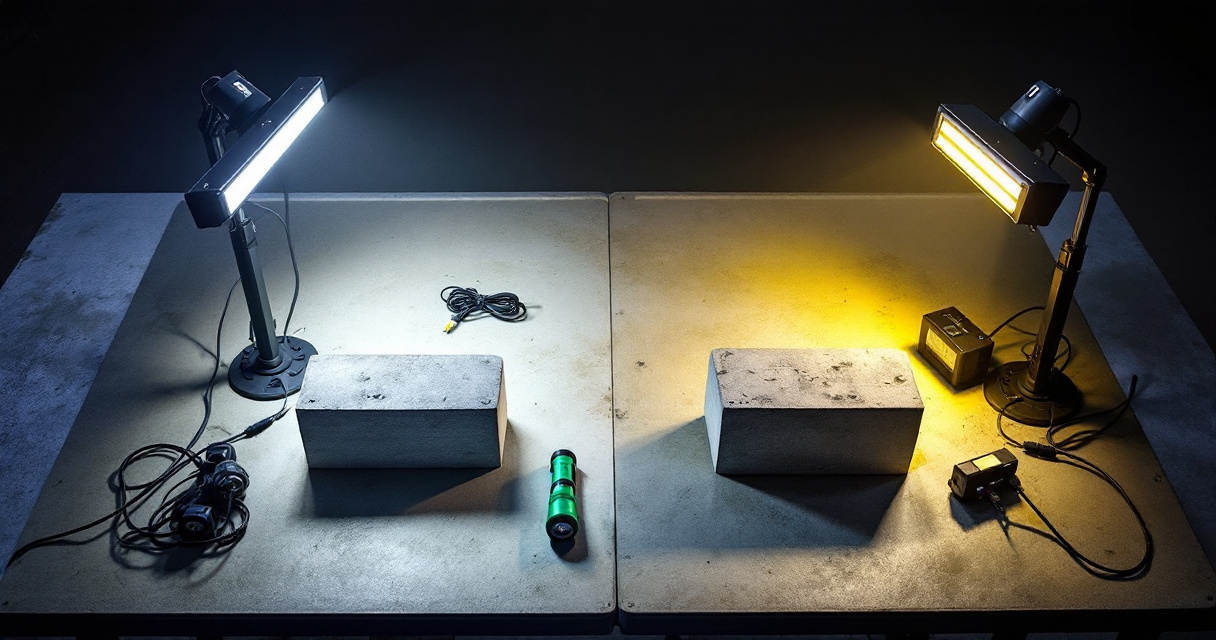
UL vs ETL Key Differences
| Feature | UL Certification | ETL Certification |
|---|---|---|
| Testing organization | UL Solutions | Intertek (ETL) |
| Recognition | Very well known brand | Also widely accepted |
| Safety standards used | Industry safety standards | Same standards used |
| Certification timeline | Often longer | Often faster |
| Typical cost | Higher in some cases | Often lower |
From an electrical code perspective, both marks satisfy the requirement for NRTL-certified equipment.
What Inspectors Actually Look For
When electrical inspectors evaluate lighting installations, their primary concern is whether the product is certified by an approved testing laboratory.
They typically verify:
- The presence of a legitimate NRTL mark
- Proper labeling on the fixture
- Matching documentation for the product model
The specific brand of testing lab usually matters less than the fact that the product has been properly certified.
For commercial buyers sourcing large quantities of fixtures, this means UL and ETL products can often be considered interchangeable from a compliance standpoint.
How Commercial Buyers Should Choose Certified LED Fixtures
Certification is only one part of selecting reliable commercial lighting. Contractors and facility managers should evaluate several other factors when choosing fixtures for large projects.
Key Factors Beyond Certification
When comparing lighting products, consider these criteria alongside UL or ETL certification:
- Warranty length, many commercial LED fixtures offer 5-year warranties
- DLC listing for energy rebate eligibility
- Thermal design and driver reliability
- Availability and shipping speed for project timelines
- Compatibility with controls and dimming systems
A certified fixture with poor heat management or unreliable drivers can still fail prematurely, so certification should be viewed as a baseline requirement rather than the only quality signal.
Why Wholesale Buyers Focus on Certified Suppliers
Large projects often require dozens or hundreds of fixtures. Working with distributors that provide documentation, specification sheets, and certification records simplifies the approval process.
Wholesale suppliers highlighted on industry platforms like The JQZ Lighting Journal frequently emphasize:
- UL or ETL certified fixtures
- DLC-listed options for rebate programs
- Bulk order availability with fast shipping
These factors matter when completing lighting upgrades for warehouses, factories, parking areas, and retail spaces.
For contractors managing tight construction schedules, verified certification combined with reliable supply can prevent project delays.
Conclusion
UL and ETL certifications both serve the same purpose: verifying that LED lighting products meet recognized electrical safety standards. UL may carry stronger brand recognition, but ETL-certified fixtures are tested to the same standards and widely accepted by inspectors across North America.
For commercial buyers, the smarter approach is to focus on overall product quality, warranty coverage, DLC eligibility, and supplier reliability rather than choosing a fixture based only on the certification logo.
If you want deeper insights on commercial LED lighting standards, rebates, and product selection, explore resources on The JQZ Lighting Journal. The platform covers certification topics, installation guidance, and wholesale lighting strategies that help contractors and facility managers make informed purchasing decisions.