A power outage can turn a safe commercial space into a liability in seconds. Emergency drivers for LED light fixtures solve that by supplying backup power to compatible LED fixtures so they keep operating for a limited emergency period. For property owners, contractors, and facility teams, the challenge isn't just buying a battery pack, it's matching output, voltage, fixture load, and installation conditions correctly. On The JQZ Lighting Journal, that's where practical product knowledge matters most: a good emergency driver choice protects occupants, reduces callback risk, and keeps your retrofit or new-build project moving.
What an emergency LED driver actually does inside a fixture
An LED lamp is an electric light that produces light using light-emitting diodes, and Wikipedia notes that LED lamps are significantly more energy-efficient than incandescent and fluorescent alternatives. In an emergency setup, the driver becomes the bridge between normal utility power and temporary battery-backed operation.
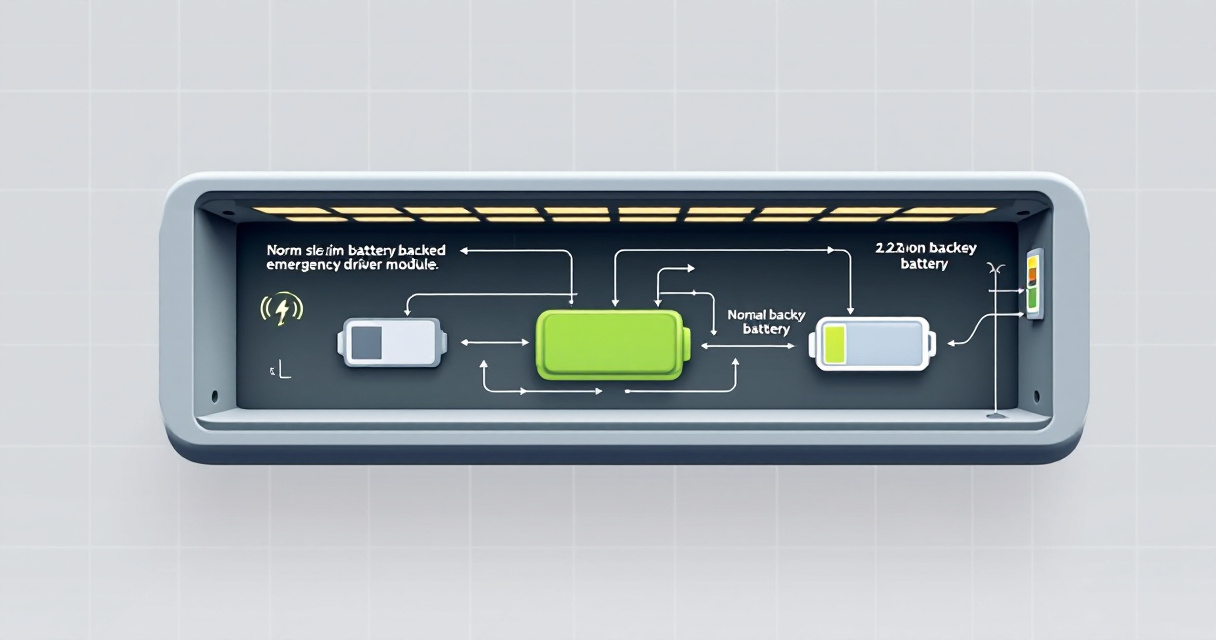
When normal power fails, the emergency driver switches the fixture into backup mode and feeds a reduced, controlled output to the LED load. That means the fixture usually does not run at full light output during an outage. Instead, it delivers enough illumination for emergency egress or basic visibility, depending on the driver and fixture pairing.
Key takeaway: an emergency driver is not a universal add-on. It must match the fixture's electrical characteristics and intended emergency lighting level.
Why emergency drivers are different from standard LED drivers
A standard LED driver regulates power during everyday operation. An emergency driver adds three extra functions:
- Battery charging during normal operation
- Automatic transfer to battery power when utility power drops
- Controlled emergency output for a required duration
Competitor pages commonly focus on replacement parts, but the practical issue for installers is system compatibility. If the fixture's driver architecture, input wiring, or LED load falls outside the emergency unit's rating, the system may not perform as expected.
Where they fit in commercial projects
Emergency drivers are widely used in:
- Warehouses
- Retail back-of-house spaces
- Offices and corridors
- Industrial rooms
- Stairwells and egress routes
- Renovation projects where dedicated emergency fixtures aren't ideal
If you're planning a broader LED upgrade, pairing this topic with guidance on commercial LED lighting upgrades can help you compare backup options across fixture types.
How to choose the right emergency driver without guessing
Most buying mistakes come from treating emergency drivers as interchangeable. They're not. Product listings often highlight wattage, battery chemistry, or "works with LED fixtures," but those headlines don't replace a full electrical review.
The four specs that matter most
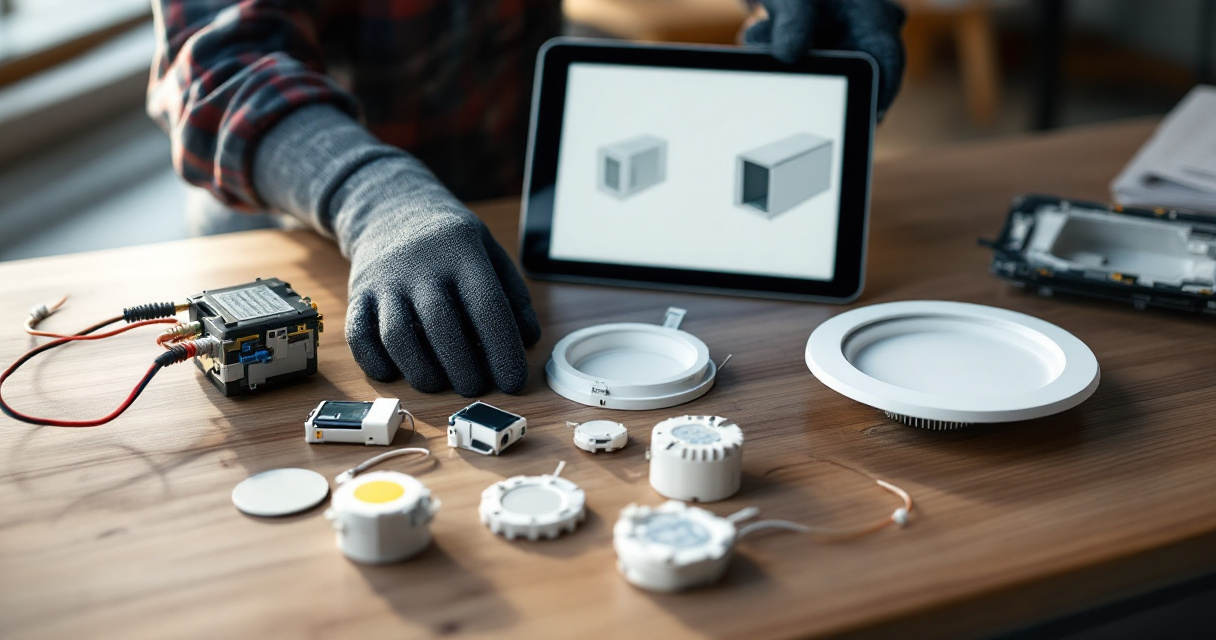
Start with these checks before ordering:
- Output compatibility: Confirm the emergency driver's output voltage and current range matches the LED load.
- Emergency wattage: Many units are rated for a limited emergency output, not full fixture wattage.
- Runtime expectation: Competitor product pages commonly reference a minimum emergency duration, often tied to code-driven applications.
- Battery type and temperature limits: Lithium-based units are common, but ambient conditions still matter in unconditioned spaces.
A careful submittal review helps avoid field changes, especially on mixed fixture schedules.
H3: Quick selection table for commercial buyers
| Decision factor | What to verify | Why it matters |
|---|---|---|
| Fixture type | Troffer, high bay, strip, panel, downlight | Physical and electrical integration varies |
| LED load range | Minimum and maximum supported load | Prevents under-driving or incompatibility |
| Emergency output | Rated emergency watts or lumens | Sets actual light available in outage mode |
| Mounting method | Internal, remote, or kit-based | Affects labor, access, and retrofit fit |
| Environment | Indoor, damp, cold, high-temp area | Battery life and reliability depend on conditions |
| Testing access | Test switch and indicator placement | Simplifies inspection and maintenance |
For projects with many fixture families, using The JQZ Lighting Journal as a planning reference can help teams compare options before procurement.
Common mismatch problems in retrofit jobs
Retrofits create the most surprises because existing fixtures may have been modified, relamped, or re-driven over time. Watch for:
- Drivers replaced with non-original electrical characteristics
- Fixture housings too tight for battery packs
- Existing branch circuits that don't support the intended emergency wiring scheme
- Assumptions that one emergency kit can cover every LED fixture on site
That last point causes expensive callbacks. A small pilot install is often worth it before rolling out a building-wide order.
Code, testing, and documentation checks that save callbacks
Buying the right hardware is only half the job. Emergency lighting performance depends on correct installation, visible test hardware, and records your maintenance team can actually use.
The 2024 2023 Global Status Report for Buildings and Construction from UNEP reinforces how much attention the building sector now places on energy and operational performance. Emergency lighting sits inside that broader push: owners want safer buildings, but they also want systems that are easier to manage over time.
Good emergency lighting design balances life safety, energy goals, and maintainability, not just first cost.
What installers should document at turnover
A clean turnover package should include:
- Fixture locations with emergency function identified
- Emergency driver model numbers
- Test switch and indicator locations
- Battery replacement guidance from the manufacturer
- Commissioning notes for any dimming or control interactions
This paperwork matters during inspections and later maintenance. It also helps future electricians avoid disconnecting emergency functionality during tenant improvements.
How digital records are becoming more useful
A 2021 paper on digital twin implementation in civil engineering examined how digital models can support built asset management. For emergency lighting, that trend points to better tracking of fixture type, backup components, and service history inside digital facility records.
You don't need a full digital twin to benefit. Even a disciplined fixture schedule tied to O&M documents is a major improvement. If your team also reviews LED warehouse lighting guidance, keep emergency fixture mapping in the same project file so operations staff can find it fast.
Installation details that affect real-world performance
Two emergency systems with the same label can perform very differently once installed. Field conditions matter more than many spec sheets suggest.
Placement, heat, and access considerations
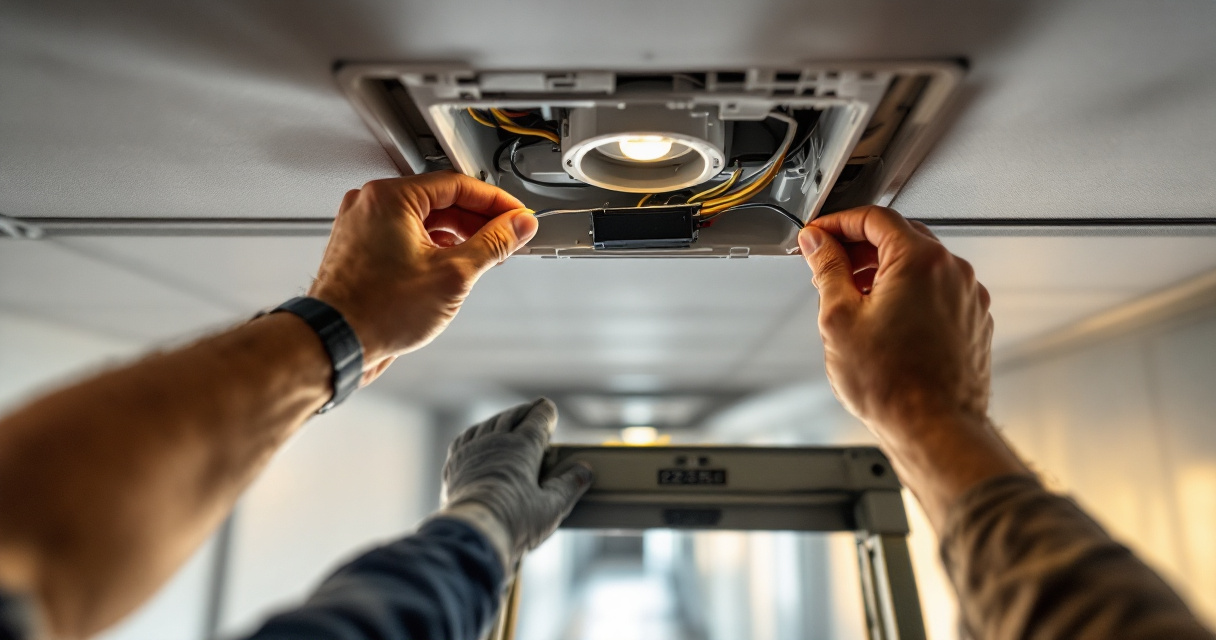
Battery-backed devices don't like poor access or excessive heat. In tight plenums, enclosed housings, or hot industrial ceilings, service life can suffer. That's why fixture location and ambient conditions should be checked during layout, not after rough-in.
For commercial and industrial sites, review:
- Distance between driver and supported LED load
- Ceiling cavity temperature
- Access for future testing and battery replacement
- Interactions with controls, occupancy sensors, or dimming systems
- Whether normal and emergency circuits are identified clearly
A neat install today prevents troubleshooting headaches three years from now.
Commissioning steps after power-up
After installation, don't stop at a basic functional test. Run a short commissioning checklist:
- Confirm normal mode operation.
- Verify indicator light and test switch function.
- Simulate power loss and confirm transfer to emergency mode.
- Check that illuminated output matches the design intent.
- Label the fixture or record the emergency component in closeout documents.
Teams that already standardize lighting controls and smart lighting planning should include emergency transfer testing in the same commissioning workflow.
What to expect from emergency LED drivers in 2026 and beyond
The core job of an emergency driver hasn't changed: keep light on when normal power fails. What is changing is the way owners evaluate lighting assets. More projects now expect clearer documentation, easier maintenance, and better alignment with building-wide efficiency goals.
Procurement trends worth watching
Three trends stand out in 2026:
- Stronger preference for retrofit-friendly kits that reduce fixture replacement
- More scrutiny of battery serviceability and replacement planning
- Closer coordination between emergency lighting, controls, and digital building records
Supply chain planning also matters. The 2021 USGS Mineral Commodity Summaries is a reminder that material availability affects electrical products broadly, even when a spec sheet looks straightforward. On larger projects, approved alternates and lead-time checks are smart, not optional.
How buyers can future-proof a spec
If you're writing or reviewing a spec now, aim for flexibility:
- Require documented fixture compatibility
- Ask for accessible testing points
- Prefer clear replacement-path information for batteries and drivers
- Keep emergency lighting schedules separate from general fixture schedules
- Review how control systems behave during emergency transfer
That approach gives owners more room to maintain the system without a full redesign later. The The JQZ Lighting Journal platform is especially useful when you need to compare practical fixture and driver considerations across project types.
Conclusion
Emergency drivers for LED light fixtures look simple on a line item, but the right choice depends on electrical match, environment, testing access, and long-term service planning. If you're specifying a warehouse, retail, office, or industrial project in 2026, don't buy on wattage alone. Build a short review checklist, test one fixture family before a large rollout, and keep your documentation tight. For more commercial lighting guidance, product context, and project planning ideas, visit The JQZ Lighting Journal and use it as your next-stop reference before finalizing your emergency lighting package.