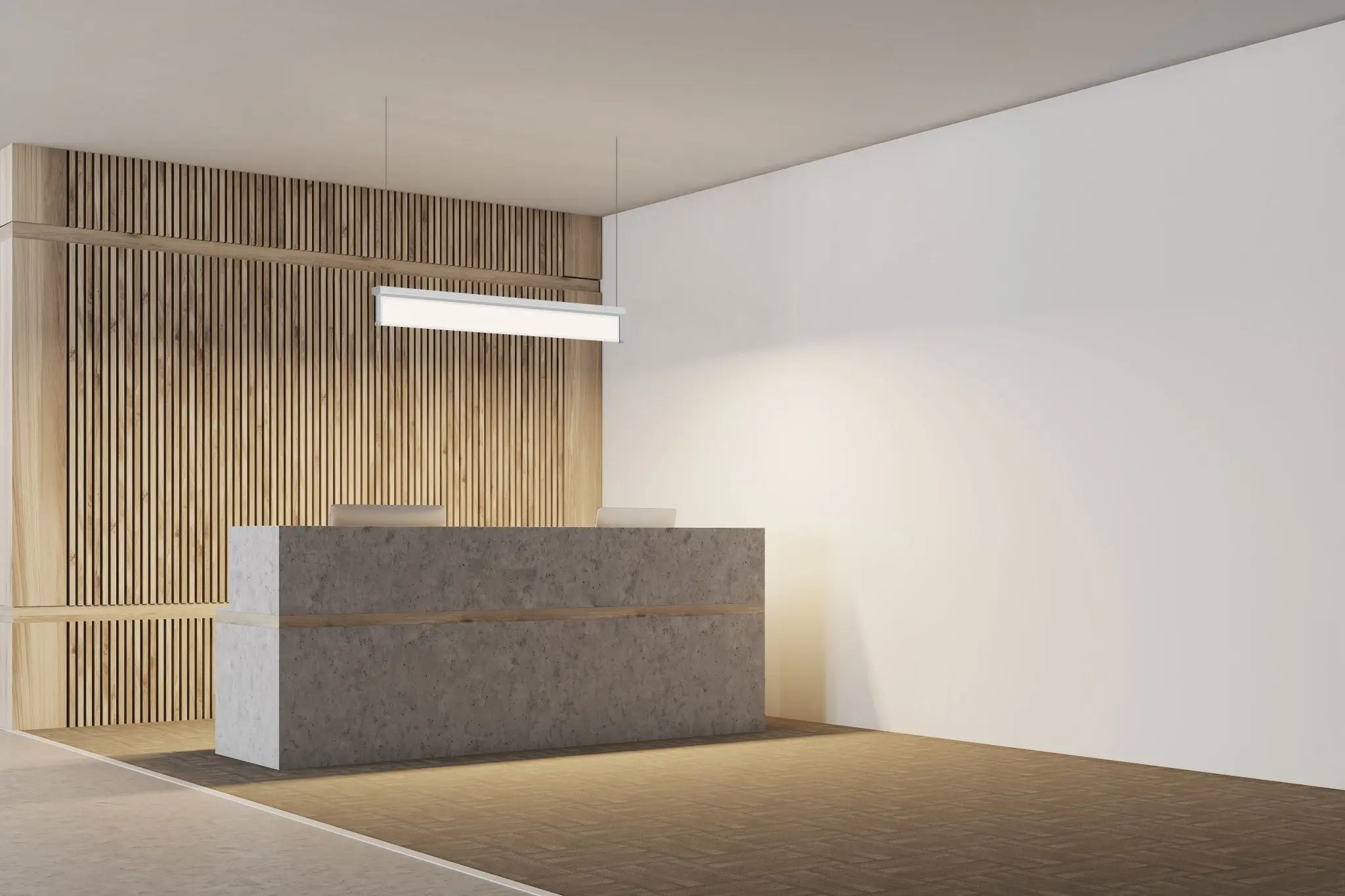
A motion detector is an electrical device that uses a sensor to detect nearby movement, and when paired with LED lamps, it can automate light output with far less wasted runtime than always-on fixtures. For commercial buildings, that simple pairing matters: LEDs are already more energy-efficient than equivalent incandescent and fluorescent lamps, according to Wikipedia's overview of LED lamps, and adding motion-based control helps you avoid lighting empty aisles, storage rooms, restrooms, and loading zones. At The JQZ Lighting Journal, the practical question isn't whether motion sensing works, it's which sensor setup works best for your fixture type, ceiling height, and operating schedule.
Why motion sensing fits LED fixtures so well in commercial projects
Lighting is the deliberate use of light for practical or aesthetic effects, and modern commercial lighting is increasingly judged by control, not just brightness, based on Wikipedia's definition of lighting. That shift explains why motion sensors keep showing up in retrofit and new-build specs. LEDs respond instantly, tolerate frequent switching better than older lamp types, and can be integrated into fixtures, controls, or sensor switches.
For property owners and contractors, the value is straightforward:
- lights switch on only when an area is occupied
- after-hours energy waste is reduced
- maintenance teams spend less time dealing with manually overridden switches
- safety improves in transitional spaces like corridors, stairwells, and service entries
Key takeaway: Motion sensing works best where occupancy is intermittent, not constant. Think stockrooms, utility rooms, back-of-house corridors, and sections of warehouses with variable traffic.
The commercial market is also moving toward more connected building systems. Research on manufacturing systems and their future direction points to more adaptive, data-driven operations rather than static infrastructure, as discussed in Evolution and future of manufacturing systems. In lighting terms, that supports a stronger case for controllable fixtures and sensor-ready layouts instead of basic on-off circuits.
If you're planning a wider upgrade, it helps to align sensor choices with fixture performance, ceiling conditions, and use case. That same planning logic applies when comparing commercial LED lighting upgrades across warehouses, retail units, and industrial spaces.
H3: Where motion-controlled LEDs deliver the clearest ROI
Not every area needs occupancy control. Open-plan retail floors with constant traffic may see less benefit than enclosed support spaces. The better targets are zones where lights are often left on because no one wants to walk back to a switch.
A few high-value examples include:
- warehouse aisles with uneven forklift traffic
- employee restrooms and break rooms
- electrical and mechanical rooms
- storage cages and archive rooms
- exterior service doors and loading approaches
How the main sensor types differ, and where each one wins
Sensor choice has more impact on results than many buyers expect. The two most common categories in lighting are passive infrared, often shortened to PIR, and microwave-based sensing. Some products combine multiple methods to reduce false triggers.

Sensor type comparison for LED fixtures
| Sensor type | Best use case | Main strength | Main limitation |
|---|---|---|---|
| PIR | Offices, restrooms, stockrooms, lower mounting heights | Good at detecting body heat movement, common and simple | Can miss minor motion or blocked sightlines |
| Microwave | Warehouses, corridors, higher ceilings, enclosed fixtures | Better range and sensitivity through some non-metal materials | More prone to unwanted triggers if badly aimed |
| Dual-technology | Premium commercial spaces needing fewer false activations | Balances detection accuracy | Higher cost and more setup variables |
PIR tends to be the default for straightforward indoor rooms. Microwave sensing is often better where ceiling heights increase or where fixture-integrated sensing needs broader coverage. Dual-technology options are useful when nuisance switching would be expensive or disruptive.
Practical rule: Match the sensor to the space, not to the catalog trend. A low-cost PIR unit in the wrong location often performs worse than a properly commissioned higher-spec sensor.
H3: Fixture-integrated sensors vs wall switches vs remote sensors
You can add motion sensing in three basic ways:
- fixture-integrated sensors for cleaner installs and fewer visible devices
- wallbox sensor switches for quick retrofit of small rooms
- remote ceiling sensors when one control point needs to govern multiple fixtures
Fixture-integrated options are often attractive in warehouses and retail back rooms because they reduce labor and can look cleaner. Wall switches work well in offices and utility spaces. Remote sensors give more flexibility when fixture spacing and occupancy patterns don't line up neatly.
For contractors evaluating replacement fixtures, it also helps to review LED high bay lighting considerations if the project includes tall-ceiling industrial or storage areas.
Placement, commissioning, and the mistakes that cause callbacks
Most motion sensor complaints come from setup problems, not bad hardware. A sensor that turns lights off too soon, misses occupancy, or triggers in an empty zone usually needs better placement and commissioning.
Three factors matter most:
- mounting height: detection pattern changes as ceiling height rises
- line of sight: shelving, partitions, and equipment can block coverage
- time delay and sensitivity: default settings rarely fit the real space
Fast checklist for better sensor performance
| Item to verify | Why it matters | What to check |
|---|---|---|
| Coverage overlap | Prevents dead spots | Confirm adjacent fixtures or sensors overlap in aisles |
| Delay setting | Avoids nuisance shutoff | Set enough hold time for low-motion tasks |
| Daylight interaction | Stops unnecessary runtime | Use photocell threshold where daylight is present |
| Aiming | Reduces false triggers | Keep sensors away from HVAC movement or traffic outside zone |
A warehouse picker on foot moves differently from a forklift, and a restroom occupant may sit nearly still for several minutes. Those details matter. You should always test the area during normal use, not just during installation walkthroughs.
Many facility teams also forget to train end users. If staff don't understand timeout settings or manual override behavior, they'll assume the system is defective. That's one reason specification notes and turnover documents are worth the extra time.
H3: Common objections from owners and facility managers
Some buyers worry that sensors will annoy occupants or shorten fixture life. With LED fixtures, frequent switching is generally less of a concern than it was with older fluorescent systems because LEDs are designed for responsive control. The bigger risk is poor commissioning.
Other objections are valid but manageable:
- "Sensors miss people at desks or in stalls." Use vacancy logic carefully and set longer delays in low-motion spaces.
- "The lights trigger when no one is there." Reduce sensitivity, narrow the detection zone, or switch technology type.
- "Retrofit costs are too high." Start with problem zones instead of whole-building rollout.
For renovation work, those decisions often fit into broader commercial lighting retrofit planning, especially where controls are being updated at the same time.
Where motion-sensor LED fixtures make the most sense in 2026
The strongest use cases in 2026 are still practical, not flashy. Warehouses, service corridors, utility spaces, parking edges, and storage rooms remain the easiest wins because occupancy is irregular and manual switching is unreliable.
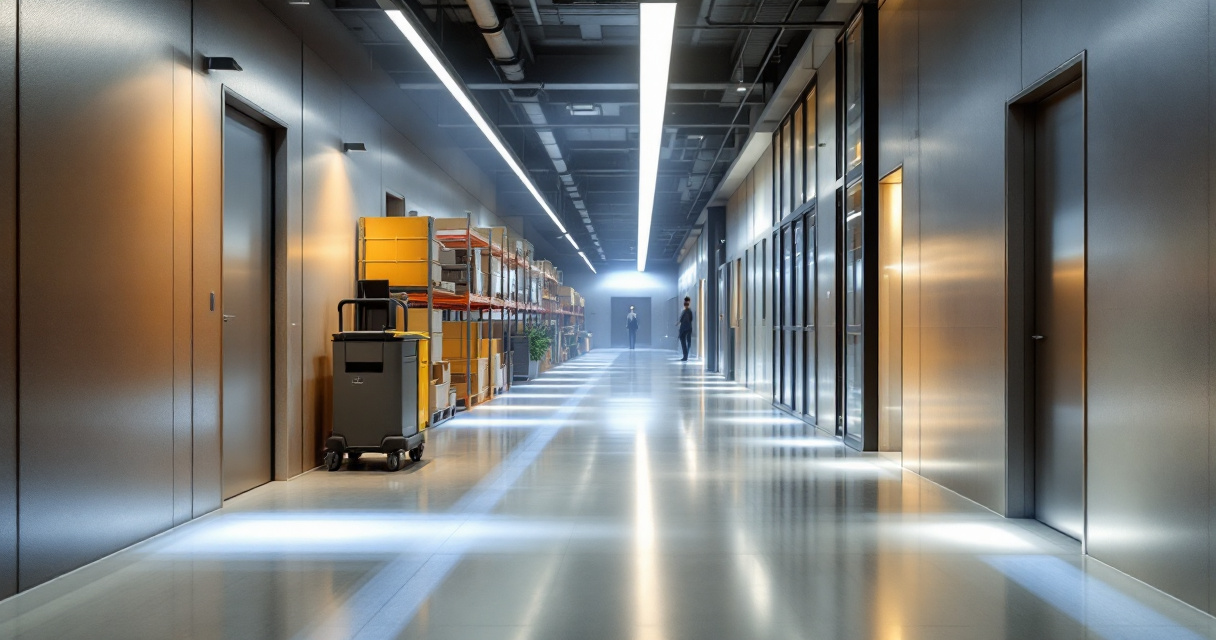
Retail and mixed-use commercial buildings can also benefit, but usually in support zones rather than customer-facing spaces. In offices, motion sensing works best in enclosed rooms, copy areas, and shared amenities. In industrial spaces, it performs well when paired with zoning so only active work areas stay fully lit.
A broader trend is also shaping system design. Research on construction-focused digital twins points to growing use of connected building data and virtual system modeling, according to Technologies for digital twin applications in construction. That does not mean every lighting project needs a digital twin. It does mean sensor-equipped fixtures fit better into buildings that want measurable, adjustable operations over time.
2026 view: Motion sensors are no longer a niche add-on. They're part of a smarter control strategy, especially when owners want flexible spaces with less wasted runtime.
H3: What to expect next from sensor-controlled lighting
Over the next year, expect more projects to combine occupancy sensing with:
- daylight harvesting
- grouped wireless control
- fixture-level monitoring
- easier commissioning through mobile apps
The direction is clear: more adaptable systems with better visibility into how spaces are actually used. The JQZ Lighting Journal platform is useful here because specifiers and buyers need a practical place to compare fixture categories, controls, and deployment options without relying on outdated product pages.
How to choose the right motion-sensor LED setup for your project
If you're specifying or buying now, avoid choosing solely on sensor range claims. Focus on the actual room geometry, task pattern, and fixture layout.
Use this decision path:
- Identify spaces with intermittent occupancy.
- Check ceiling height, obstructions, and daylight conditions.
- Decide between fixture-integrated, wallbox, or remote sensing.
- Match PIR, microwave, or dual-tech to the space.
- Commission delay, sensitivity, and any daylight threshold on site.
A simple selection process prevents expensive rework. It also helps you avoid over-controlling spaces that need steady illumination.
When you're comparing products, review application notes, not just wattage and lumen output. The fixture, driver, control method, and sensor all need to work together. Using The JQZ Lighting Journal can help narrow those choices faster, especially if your project spans retail, warehouse, and exterior service areas with different sensor needs.
H3: Short buyer checklist before you place the order
- confirm sensor technology type
- verify recommended mounting height
- check whether the sensor is integral or add-on
- ask about timeout and sensitivity adjustment
- review daylight sensor options
- confirm compatibility with the LED driver and control scheme
Conclusion
Motion sensors for LED lighting fixtures make the most sense when they solve a real operating problem: lights left on in empty spaces, uneven occupancy, or poor switch access. The winning approach in 2026 is not just buying sensor-equipped fixtures, it's choosing the right sensor type, installing it in the right place, and commissioning it for how the space is actually used. If you're planning a retrofit or a new commercial build, start by auditing three to five intermittent-use areas and compare control options before ordering. For more practical lighting guidance and product research, visit The JQZ Lighting Journal and use it as your next step for fixture and control planning.