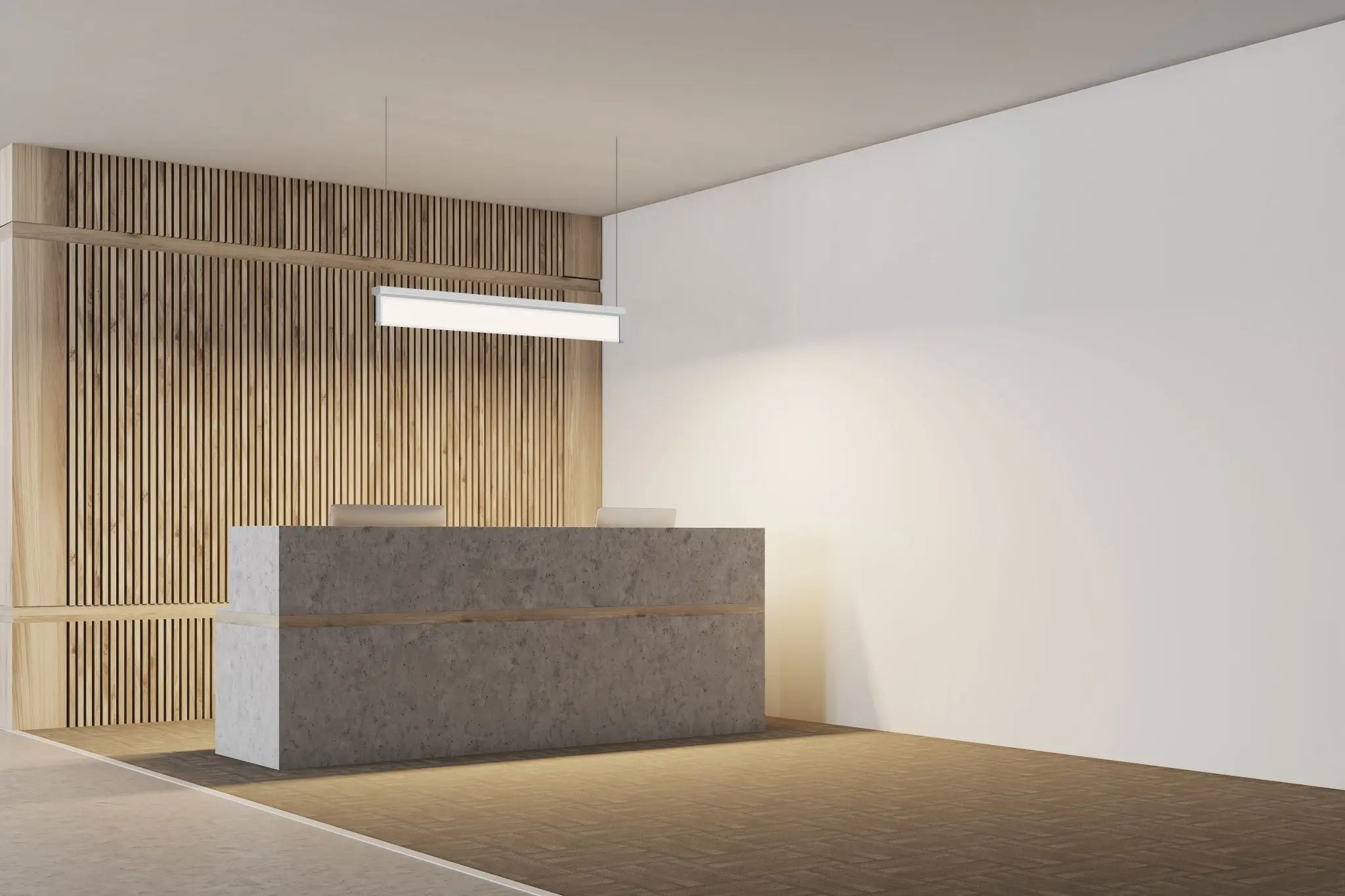
Lighting decisions in warehouses and large commercial buildings affect energy use, worker safety, and operational efficiency. Facilities with ceilings above 20 feet typically rely on high bay fixtures, but buyers often face one common question: should you choose traditional round high bay LEDs or linear high bay lights? The answer depends on building layout, mounting height, and the type of work happening below the lights. Resources like The JQZ Lighting Journal help contractors and facility managers compare these options and select fixtures designed for large-scale commercial environments.
Understanding High Bay and Linear High Bay LED Fixtures
High bay lighting refers to powerful fixtures designed for ceilings typically 20 to 45 feet high. These lights distribute intense illumination across large floor areas such as warehouses, gymnasiums, manufacturing plants, and retail stores.
Within this category, two dominant fixture styles exist: round high bay LEDs (often called UFO high bays) and linear high bay LEDs. Both use LED technology, which converts electricity into light more efficiently than older systems like metal halide or fluorescent lamps.
A 2022 review of modern sensing and monitoring technologies published in Sensors highlights how efficient LED lighting systems support smarter infrastructure and facility monitoring systems in industrial environments. Research into large-scale infrastructure technologies continues to emphasize energy-efficient components such as LED fixtures in modern facilities. See the study here: Toward Integrated Large-Scale Environmental Monitoring Using WSN/UAV/Crowdsensing.
Despite using similar LED chips and drivers, the shape and light distribution pattern of these fixtures create important differences in how they perform.
Key Physical Differences
The design of each fixture directly affects how light spreads across a workspace.
High Bay vs Linear High Bay at a Glance
| Feature | Round (UFO) High Bay | Linear High Bay |
|---|---|---|
| Shape | Circular fixture | Long rectangular fixture |
| Light distribution | Wide, symmetrical beam | Long, directional spread |
| Common mounting | Hook or pendant | Chain or surface mount |
| Best environments | Warehouses, gyms | Aisles, retail, assembly lines |
| Visual coverage | Centralized illumination | Even aisle lighting |
Round fixtures concentrate brightness downward from a central point. Linear fixtures spread light across longer areas, which helps eliminate dark spots in shelving aisles.
Where Traditional High Bay LED Lights Work Best
Round high bay lights remain the most common option for large open spaces. Their compact shape and powerful output make them ideal when uniform brightness is required across wide areas.
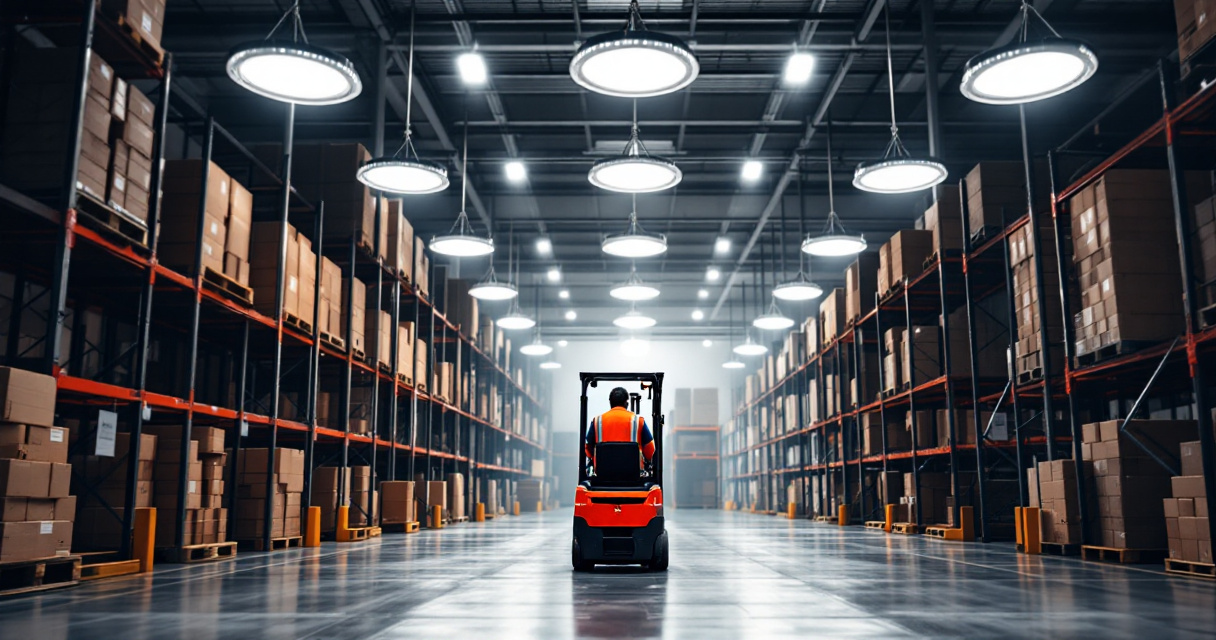
Many warehouses prefer UFO-style high bays because they deliver strong lumen output from a single fixture while remaining easy to install.
Ideal Applications for Round High Bay Fixtures
- Large warehouses with open floor plans
- Manufacturing facilities
- Gymnasiums and sports complexes
- Aircraft hangars
- Distribution centers
These fixtures often produce high lumen output from a compact body, which reduces the number of fixtures needed in wide spaces.
In open industrial spaces with minimal shelving or partitions, round high bay lights typically provide the most efficient coverage.
Another advantage involves installation flexibility. Electricians can mount them using hooks, pendants, or direct ceiling brackets. That flexibility helps contractors complete large lighting retrofits faster.
Facility managers researching fixture options often browse guides and product breakdowns on The JQZ Lighting Journal, which frequently compares fixture types used in warehouses and logistics facilities.
Advantages of Round High Bay Lights
Round high bay fixtures offer several practical benefits in commercial installations:
- Strong vertical light intensity for high ceilings
- Compact fixtures that fit tight ceiling structures
- Simple mounting hardware
- Often lower upfront fixture cost
- Effective in open layouts
Still, these lights are not ideal for every environment. Long warehouse aisles, grocery stores, and retail layouts usually need more directional lighting coverage.
Why Linear High Bay LED Lights Are Preferred for Aisles and Retail
Linear high bay fixtures were designed specifically for environments where consistent lighting along rows or aisles matters more than centralized brightness.
Instead of emitting light in a circular pattern, linear fixtures distribute light across a rectangular beam. This pattern aligns with shelving rows or production lines, improving visibility for workers and customers.
Retail stores, fulfillment centers, and grocery warehouses increasingly use linear fixtures because they reduce shadows between racks.
Benefits of Linear High Bay Fixtures
Several advantages make linear fixtures attractive for modern commercial layouts:
- Even illumination across long aisles
- Reduced shadowing between shelving rows
- Better visual comfort in retail spaces
- Compatibility with smart lighting controls
Typical Installations
- Supermarkets and big-box retail stores
- Logistics warehouses with tall pallet racks
- Assembly lines in manufacturing plants
- Distribution centers with narrow aisles
When shelving blocks light from circular fixtures, linear high bays distribute illumination more effectively across the working area.
Linear fixtures also create a cleaner ceiling appearance. In retail environments, that visual consistency helps maintain a professional store atmosphere.
Many buyers comparing fixture styles consult resources on The JQZ Lighting Journal platform, where commercial lighting guides break down fixture performance and installation considerations.
Energy Efficiency, Lumen Output, and Operating Costs
Both fixture styles rely on LED technology, so their energy efficiency is generally similar. The difference comes from light distribution and fixture spacing rather than raw efficiency.
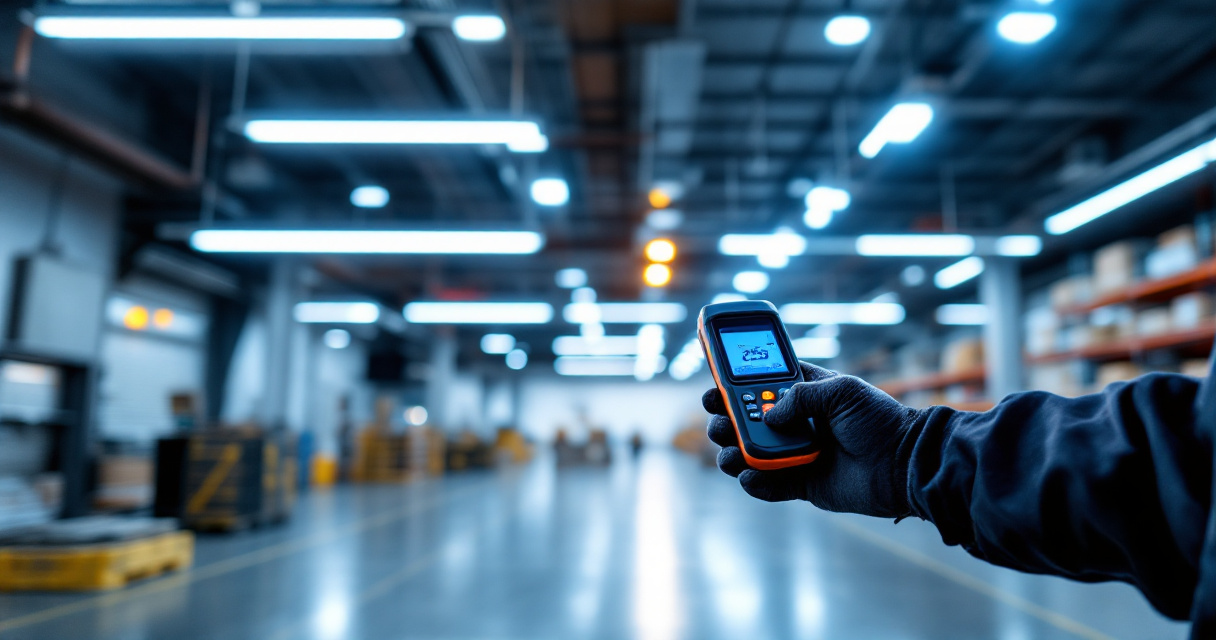
LED high bay systems typically replace older technologies such as metal halide lamps, which historically consumed much more power and required frequent maintenance.
Typical Performance Comparison
High Bay vs Linear High Bay Performance
| Performance Factor | Round High Bay | Linear High Bay |
|---|---|---|
| Lumen output | High concentrated output | Moderate but evenly distributed |
| Fixture spacing | Wider spacing possible | Closer spacing often needed |
| Maintenance | Low with LED drivers | Low with LED drivers |
| Visual uniformity | Good for open areas | Excellent for aisles |
Energy savings primarily depend on replacing older lighting systems with modern LEDs rather than choosing between these two fixture shapes.
Industrial facilities upgrading from legacy systems often focus on:
- lumen-per-watt efficiency
- fixture durability
- maintenance intervals
- rebate eligibility
Commercial lighting resources such as The JQZ Lighting Journal frequently highlight DLC-listed fixtures and rebate-qualified models, which many utilities require for energy incentive programs.
How to Choose the Right High Bay Lighting for Your Facility
Choosing the right fixture depends less on brand and more on building layout and ceiling height. Contractors typically start with a lighting plan that evaluates aisle spacing, work tasks, and mounting height.
Key Questions Before Choosing a Fixture
Consider these factors before selecting high bay lighting:
- What is the ceiling height?
- Is the floor layout open or aisle-based?
- Are shelves blocking downward light?
- Is visual comfort important for customers or employees?
- Are energy rebates available for specific fixtures?
Simple Decision Guide
| Building Type | Recommended Fixture |
|---|---|
| Open warehouse | Round high bay |
| Retail store | Linear high bay |
| Distribution center aisles | Linear high bay |
| Gymnasium | Round high bay |
| Manufacturing floor | Either depending on layout |
A hybrid approach is also common. Some facilities install round high bays in open staging areas and linear fixtures above storage aisles.
The best lighting systems match the fixture shape to the building layout rather than forcing one style everywhere.
Contractors and facility managers can find planning resources, installation tips, and product breakdowns through The JQZ Lighting Journal, which focuses on commercial LED lighting used in warehouses, retail facilities, and industrial spaces.
Conclusion
Round high bay and linear high bay LED lights serve the same purpose but solve different lighting challenges. Round fixtures dominate large open spaces because they deliver concentrated brightness with fewer fixtures. Linear high bays excel in environments where rows, aisles, or shelving require even illumination across longer areas.
Before ordering fixtures, evaluate ceiling height, shelving layout, and task visibility requirements. Many commercial facilities end up using both fixture types to balance brightness and coverage.
For deeper comparisons, product guidance, and commercial lighting insights, explore resources on The JQZ Lighting Journal. The platform provides practical guidance for contractors and facility managers sourcing efficient LED lighting for warehouses, retail stores, and industrial buildings.