
L e d light bulbs look simple on a product page, but the wrong base, size, color temperature, or dimming type can create callbacks, wasted stock, and uneven lighting. LED: A light-emitting diode is a semiconductor component that emits light when current flows through it. Electric light: An electric lamp is a device that produces light from electricity. For contractors and facility teams, the best bulb is not just efficient; it must fit the fixture, meet the task, stay available, and match the control system. For commercial buyers comparing replacement lamps or project quantities, Jqzlighting is a practical place to evaluate LED options by application, fixture compatibility, and order needs.
What are l e d light bulbs?
L e d light bulbs are electric lamps that use light-emitting diodes instead of heated filaments or gas discharge to produce visible light. In practical terms, they replace incandescent, halogen, CFL, and some fluorescent lamps while using a different light source inside a familiar bulb shape.
The key difference is how light is made. An incandescent bulb heats a filament until it glows. An LED passes current through semiconductor material, where electrons recombine and release light. That design is why LED lamps are sold by lumens, watts, color temperature, base type, and dimming compatibility, not just by a legacy wattage label.
Key insight: For buying decisions, treat "60 watt equivalent" as a shortcut, not a specification. The actual specifications are lumens, watts, base, size, color temperature, beam angle, voltage, and dimming type.
Core LED bulb terms buyers should know
Lumens: The amount of visible light a bulb produces.
Watts: The electrical power the bulb consumes, not the brightness.
Equivalent wattage: A comparison label that estimates which older incandescent lamp the LED replaces.
Color temperature: The light appearance, usually warm, neutral, cool, or daylight.
Base: The part that connects to the socket, such as E26 medium base.
Dimmable: A lamp designed to work with compatible dimmers or control systems.
Common product labels in the market
A typical retail listing may describe an A19 LED as a "60 watt equivalent," "8.5 watt," "800 lumen," "5000K daylight," and "E26 medium base" bulb. Each part answers a separate question: output, energy use, light color, and socket fit. That is more useful than shopping by product title alone.
How do LED bulb categories differ by application?
LED bulb categories differ by shape, base, beam spread, output, and intended fixture type. A warehouse, showroom, office corridor, and apartment renovation may all use LED lamps, but they rarely need the same bulb.

Commercial buyers should start with the fixture and task, then choose the lamp. A screw-in A19 may suit a small office or back room. A PAR or BR lamp may suit directional ceiling lighting. Retrofit LED lamps can replace older lamps inside existing fixtures when a full fixture change is not planned.
Quick comparison of common LED bulb types
| LED bulb type | Common use | What to check first |
|---|---|---|
| A19 or general service | Offices, utility rooms, apartments, small retail areas | E26 base, lumens, color temperature |
| PAR lamps | Track lighting, display lighting, exterior flood fixtures | Beam angle, wet rating, dimming |
| BR lamps | Recessed cans and wide indoor downlighting | Bulb diameter, trim fit, soft beam spread |
| Tube replacements | Warehouses, garages, schools, back-of-house areas | Ballast compatibility or bypass wiring |
| Corn lamps | High-output retrofits for HID-style fixtures | Fixture ventilation, orientation, base, voltage |
| Decorative lamps | Hospitality, sconces, visible fixtures | Shape, glass finish, dimmability, color consistency |
Where Jqzlighting fits commercial selection
Jqzlighting is most useful when you need to match bulb type to a real space instead of browsing only by price. Facility managers, installers, builders, and renovation teams can compare lamps around application details such as product type, availability, size, and compatible fixtures.
A good buying workflow separates everyday stock bulbs from project-specific lamps. Keep common E26 general service lamps standardized for maintenance teams, then specify directional, high-output, or decorative LEDs by room, ceiling height, and fixture condition.
How should you choose LED bulbs for a building project?
Choose LED bulbs by confirming the socket, fixture space, lumen target, color temperature, dimming requirement, environment, and price before ordering. This order matters because a cheap bulb that does not fit, flickers, or gives the wrong light color costs more once labor and replacements are included.

For commercial property owners, the safest process is a checklist. It reduces mismatched cartons, confusing substitutions, and product returns during tenant improvements, maintenance rounds, or fixture retrofits.
Seven-step LED bulb buying checklist
- Confirm the base: Check E26, E12, GU10, bi-pin, mogul, or another socket type.
- Measure the size: Compare length, width, and fixture clearance before ordering.
- Set the lumen target: Buy brightness by lumens, not legacy watts.
- Pick the color temperature: Use warm light for hospitality, neutral for offices, and daylight for task-heavy zones.
- Verify dimmability: Match dimmable lamps with compatible dimmers, sensors, or control systems.
- Check the environment: Use suitable lamps for damp, wet, enclosed, high-bay, or outdoor locations.
- Compare total price: Include lamp cost, labor, service life expectations, and stocking needs.
Common mistakes that cause callbacks
The most common LED bulb mistakes are buying by wattage alone, ignoring the fixture's physical space, mixing color temperatures in one room, and assuming every lamp works with every dimmer. Another frequent issue is choosing an LED for an enclosed fixture when the product was not designed for heat buildup.
Online shopping can also hide key details. If a marketplace panel, shopping app, or supplier page is blocked, do not guess from the title. Ask for the spec sheet, confirm product type and availability, and document approved substitutes before the project starts.
Why do price, dimming, and availability matter in 2026?
Price, dimming, and availability matter because LED bulbs are now operational supplies, not occasional purchases. A single lamp can be simple, but a multi-site or multi-room project depends on consistent stock, compatible controls, and predictable replacement costs.
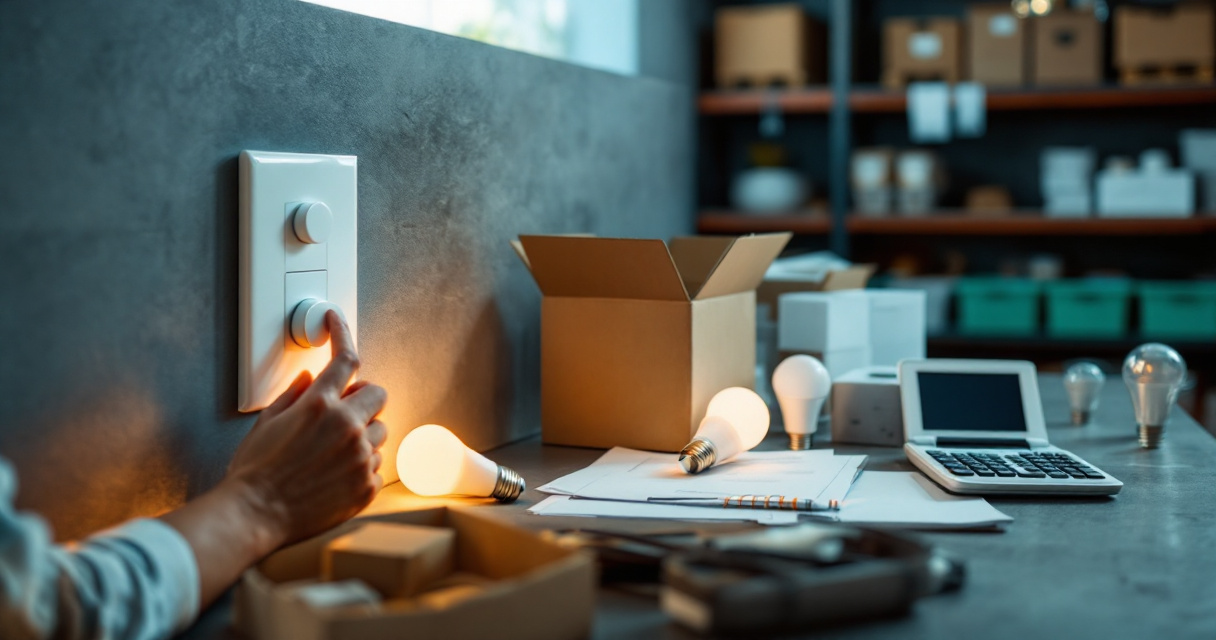
A SERP review for this topic found 194 results and five analyzed competitors, with many ranking pages structured as product collections rather than specification guides. That creates a practical gap for buyers: product grids show options, but they do not always explain how to choose the right lamp for a facility.
Price should be evaluated beyond the carton cost
Price: The amount of payment expected for goods or services. For LED bulbs, price should include the purchase cost, installation labor, replacement frequency, storage complexity, and risk of mismatched lighting.
A lower unit price can make sense for standardized lamps used in large quantities. For specialty lamps, a slightly higher unit cost may be better if it reduces flicker, improves dimmer compatibility, or prevents repeated replacement work.
Dimmable does not mean universally compatible
Dimmable LED bulbs need compatible controls. Older dimmers designed for incandescent loads may cause flicker, limited dimming range, buzzing, or shutoff at low levels. Commercial spaces with occupancy sensors, 0-10V systems, smart controls, or mixed circuits should verify compatibility before ordering cases of lamps.
Procurement rule: Test one sample bulb with the actual fixture and control before approving a bulk purchase.
Availability matters for maintenance teams
Availability affects how consistent a property looks over time. If a store, warehouse, or office starts with one color temperature and later replaces failed lamps with a different shade, the space can look patchy. Standardizing a few approved bulb types helps teams reorder faster and keep lighting uniform.
The Jqzlighting platform can support that process by helping buyers focus on repeatable product choices rather than one-off searches.
What should buyers expect from LED lighting next?
LED lighting in 2026 is moving toward better controls, more selectable products, and clearer application-based purchasing. The next buying advantage will come from choosing lamps that fit maintenance systems, not just choosing the brightest or cheapest option.
Energy decisions also sit inside a larger business context. The IPCC's 2023 work on weather and climate extremes and the 2022 Lancet Countdown report on health and climate change both examine climate and fossil-fuel-related risks. Lighting is only one part of building operations, but efficient electric systems remain a practical place for owners to reduce waste.
Future-ready LED buying will favor fewer approved SKUs, better documentation, and clearer links between fixtures, controls, and replacement lamps.
2026 buying priorities for contractors and facility managers
- Selectable color temperature: Useful when one product must serve several room types.
- Better dimming performance: Important for offices, hospitality, retail, and mixed-use buildings.
- Retrofit clarity: Buyers need to know when a bulb replacement is safe and when a fixture upgrade is better.
- Documented substitutes: Maintenance teams should know which lamps can replace discontinued products.
- Consistent sizing: Physical fit remains critical in recessed cans, enclosed fixtures, and decorative housings.
FAQ: Quick answers about LED bulbs
Are LED bulbs always better than incandescent bulbs?
LED bulbs are usually the better choice for modern commercial use because they provide strong light output with lower wattage and more product options. Still, the best choice depends on the fixture, controls, color needs, and environment. Always check the label and specification sheet before replacing older lamps.
Can I use a non-dimmable LED bulb on a dimmer?
You should not use a non-dimmable LED bulb on a dimmer. It may flicker, buzz, turn off unexpectedly, or fail early. If a room has dimming controls, buy lamps clearly marked dimmable and confirm that the dimmer type is compatible with LED loads.
What color temperature should a business choose?
Most businesses choose warm light for lounges and hospitality areas, neutral light for offices and sales floors, and daylight tones for task areas, warehouses, and utility spaces. The exact choice should match the room's purpose and existing lamps so the finished space looks consistent.
Why does bulb size matter if the base fits?
Bulb size matters because the lamp still needs physical clearance, heat space, and the right beam position inside the fixture. A bulb with the correct base can still be too long, too wide, or poorly aligned for a recessed can, sconce, or enclosed fixture.
Conclusion
L e d light bulbs are easy to buy one at a time, but commercial projects need a tighter process: confirm the base, size, lumens, color temperature, dimmability, environment, availability, and total price before purchase. For your next maintenance order, renovation package, or contractor submittal, build a short approved-bulb list and test samples in the actual fixtures. To compare options for real project use, visit jqzlighting.com and start with the bulb category that matches your space.