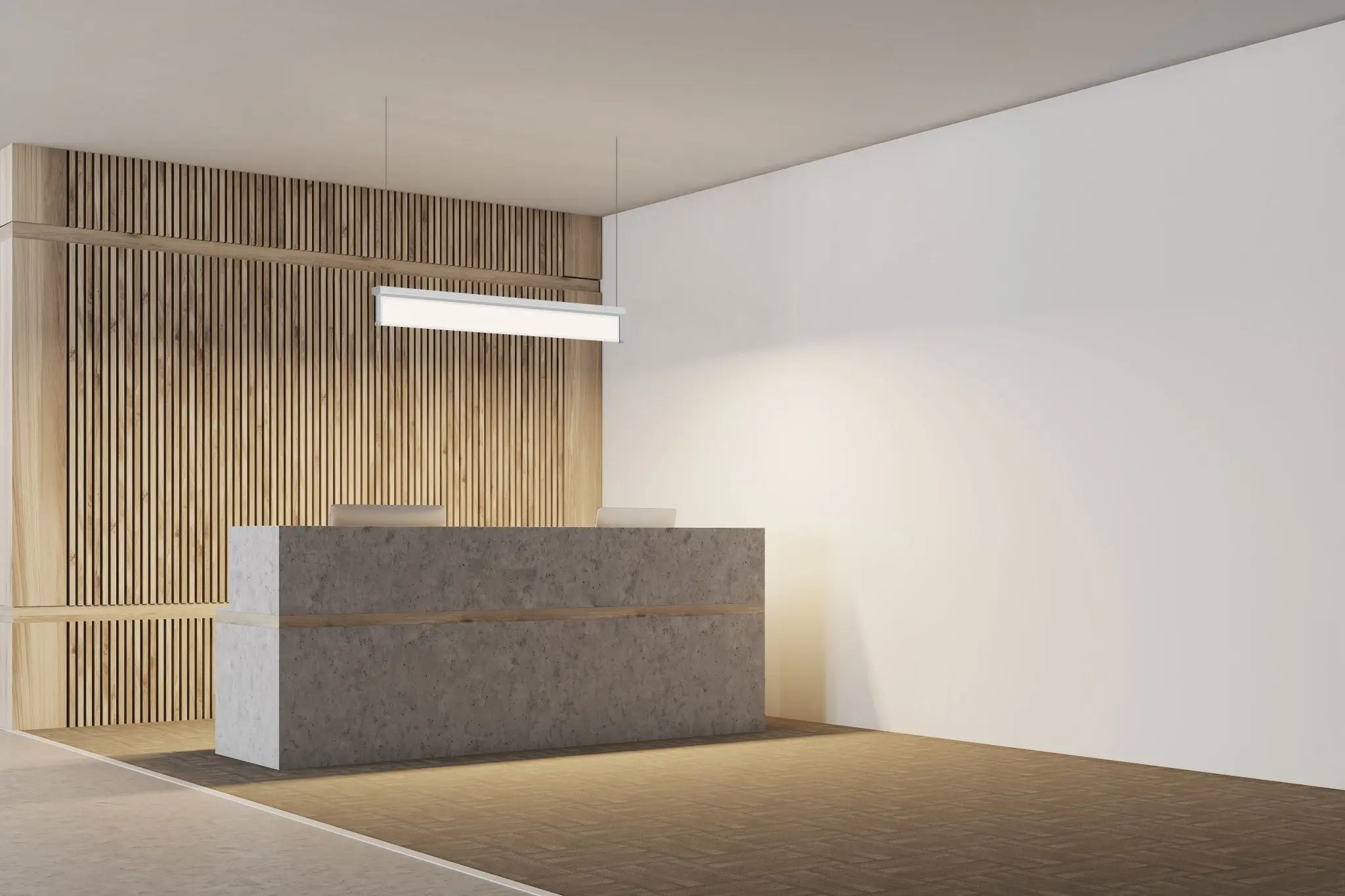
A suspended ceiling can be one of the easiest places to upgrade an office, and LED drop ceiling lights are now the default choice for many commercial projects. A dropped ceiling, as defined by Wikipedia, is a secondary ceiling hung below the structural ceiling, often called a suspended or T-bar ceiling, while lighting is the deliberate use of light for practical or aesthetic effects. For office owners, contractors, and facility teams, that matters because the grid makes fixture swaps faster and cleaner than many open-ceiling retrofits. At The JQZ Lighting Journal, we see the same question come up repeatedly: which LED ceiling fixture gives the best mix of efficiency, comfort, and long-term value for commercial offices in 2026?
What counts as an LED drop ceiling light in a modern office
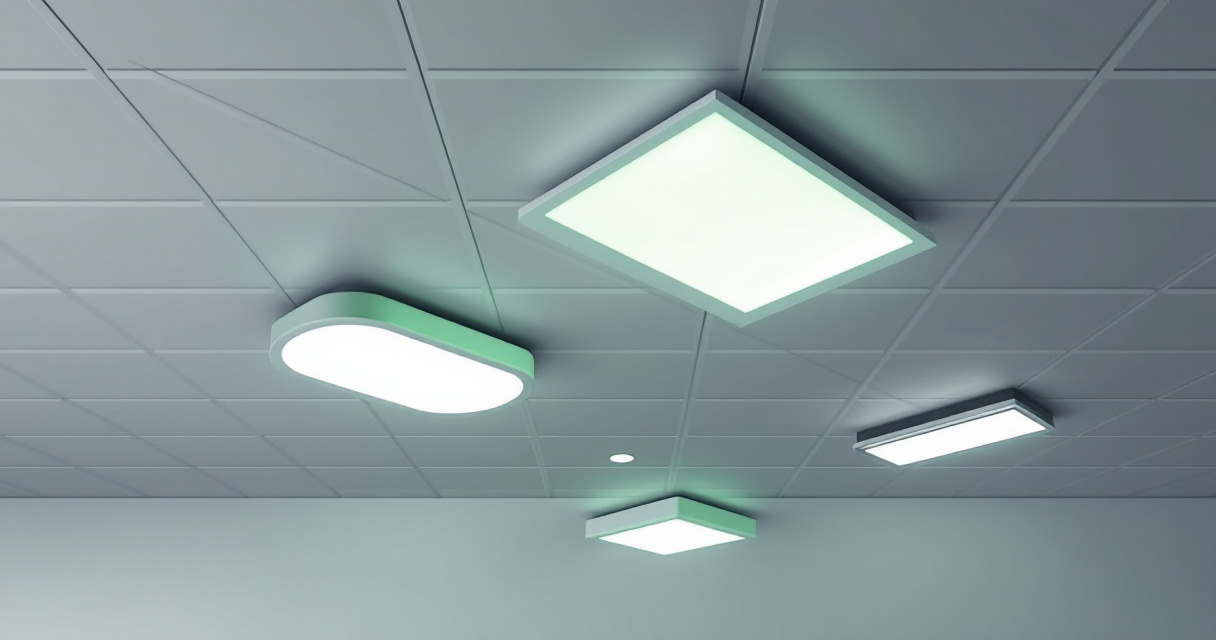
Office buyers usually use the phrase to mean LED fixtures built for standard ceiling grids, most often 1x4, 2x2, and 2x4 sizes. Those dimensions show up consistently across top-ranking commercial pages, and they remain the most common format for recessed office retrofits and new fit-outs.
What separates good office lighting from a cheap panel is not just fit. You also need the right light distribution, glare control, dimming compatibility, and serviceability. Many products on the market now focus on flat panels and troffers because they drop directly into suspended ceiling systems with minimal ceiling repair.
Key takeaway: In 2026, the best LED drop ceiling lights are chosen for visual comfort and controls, not only watts and price.
If you're planning a broader ceiling upgrade, it also helps to review fixture basics and application notes from commercial lighting insights on The JQZ Lighting Journal before you order by SKU alone.
How these fixtures differ from older fluorescent office lights
Most legacy office grids were built around fluorescent troffers. LED replacements usually offer a slimmer profile, integrated drivers, and better dimming options. They also reduce relamping work because you're replacing the fixture approach, not just swapping tubes.
That shift matters for maintenance teams in multi-room offices, medical admin spaces, schools, and light industrial offices where access time costs real money.
The main fixture families used in office grids
You'll usually compare three categories:
- LED flat panels for a clean, modern look
- LED troffers for traditional commercial light output and familiar form factors
- Center-basket or volumetric fixtures when softer visual comfort is a priority
Each can work in a drop ceiling, but they produce a different ceiling appearance and different occupant experience.
How to choose fixture size, brightness, and color for office work
The right spec starts with the room, not the catalog photo. Open offices, private rooms, conference spaces, corridors, and reception areas often need different outputs and visual conditions. One competitor example highlights a 2x4 panel at 7800 lumens with 0-10V dimming, which shows how bright these fixtures can be for commercial use, but that doesn't mean every room should be lit to that level.

A quick comparison of common office grid fixture formats
| Fixture type | Common sizes | Best use | Main advantage | Watch-outs |
|---|---|---|---|---|
| Flat panel | 1x4, 2x2, 2x4 | Open offices, conference rooms | Clean ceiling look, thin profile | Can create glare if diffuser quality is poor |
| LED troffer | 2x2, 2x4 | General office replacement | Familiar layout, broad availability | Some budget models look dated |
| Center-basket / volumetric | 2x2, 2x4 | Task-heavy offices, admin areas | Softer distribution, better comfort | Usually costs more than entry-level panels |
For most offices, fixture size follows the existing grid. The harder choices are light level and color temperature. Many offices still default to 5000K because it appears bright, but that can feel harsh in focused desk environments. Neutral white options often feel more balanced for mixed-use office work.
A practical office spec checklist
Use this short list before sending fixtures out for bid:
- Match the fixture to the existing grid size.
- Confirm dimming method, especially
0-10Vcompatibility. - Check listing and rating requirements for the project.
- Review diffuser design for glare control.
- Choose a color temperature that fits the room's use.
- Ask about driver replacement and warranty terms.
Teams handling renovations may also want guidance from related office lighting planning resources so fixture choice lines up with layout and finish schedules.
Why comfort matters as much as brightness
Office lighting is not only about visibility. Research is increasingly focused on comfort, behavior, and adaptive control. A 2022 survey in IEEE Access reviewed machine learning methods in smart lighting aimed at user comfort, a sign that the market is moving beyond one fixed light level for every space.
That trend should change how you buy fixtures today. Even if you don't install advanced controls immediately, choose fixtures that can support dimming and future upgrades.
Layout, glare, and controls: the details that make or break an office retrofit
A good LED panel can still underperform if the layout is sloppy. Spacing, workstation orientation, screen use, and daylight all affect how a ceiling system feels once people move in. That's one reason office complaints often center on glare, hot spots, or rooms that look bright but feel tiring.
A useful research backdrop comes from A Global Building Occupant Behavior Database, published in 2022 in Scientific Data. The study reflects how occupant behavior varies widely across buildings, which supports a practical point for office lighting: people don't use spaces in one uniform way, so fixed, one-size-fits-all lighting plans often miss the mark.
Design rule: If screens dominate the room, prioritize diffuser quality and dimming over maximum lumen output.
What to review before finalizing a reflected ceiling plan
- Desk and monitor orientation
- Areas with strong daylight swings
- Conference rooms that need dimming scenes
- Breakout areas that don't need the same intensity as workstations
- Driver access for future maintenance
Controls are becoming more relevant in 2026, especially where owners want lower operating costs without a full smart-building overhaul. The The JQZ Lighting Journal platform often highlights this middle path: choose fixtures that work well today, but don't lock the building out of occupancy sensing or networked controls later.
Common mistakes buyers still make
Some projects still buy solely on initial price. That can backfire when low-cost panels show uneven light, poor dimming behavior, or hard-to-service drivers. Another mistake is over-lighting private offices and under-lighting collaborative zones, which forces occupants to compensate with task lights or shade adjustments.
If you're replacing a large fluorescent inventory, mock up one room first. A single test bay often reveals problems before they spread across 100 fixtures.
Installation and maintenance factors commercial teams should weigh
For contractors and facility managers, labor often matters as much as fixture cost. Drop ceiling systems are attractive because they usually allow quick fixture placement in existing grids, especially in occupied offices where dust control and downtime are concerns.

Still, "easy retrofit" can be overstated. You need to verify branch circuits, emergency lighting requirements, dimming runs, and ceiling plenum conditions before the first fixture arrives.
A field-ready pre-install checklist
- Confirm actual grid dimensions in each room
- Verify circuit loading and control wiring
- Check for emergency egress lighting integration
- Review ceiling tile condition and support needs
- Stage fixtures by room to reduce disruption
For buildings with sustainability goals, lighting upgrades can also support broader operational targets. While not specific to office lighting products, research on sustainability in warehousing by Ali and Kaur (2021) reflects the larger business pressure on facilities to align operational decisions with social and environmental outcomes. In practice, that means buyers increasingly ask not just, "What does it cost?" but also, "How will it perform over years of use?"
When a panel is the wrong answer
Not every office should use a flat panel everywhere. Older executive spaces, design-led interiors, and areas with specialty ceilings may call for architectural fixtures, direct-indirect systems, or suspended decorative luminaires instead. The best answer depends on the room's function, not on forcing one fixture family across the entire floorplate.
What to expect next for commercial office ceiling lighting
The next shift is not a new ceiling size. It's smarter response to how rooms are actually used. Research interest in adaptive and comfort-based lighting is growing, and office owners are paying closer attention to flexibility because work patterns keep changing.
In practical terms, expect these 2026 and near-term trends:
- More projects specifying dimming-ready fixtures by default
- Greater demand for low-glare diffusers in screen-heavy offices
- Wider interest in controls that can be added later
- More side-by-side evaluation of panels vs volumetric troffers for comfort
Where buyers can keep up with product and design changes
Specifications change faster than many building owners expect. Using The JQZ Lighting Journal can help contractors, property teams, and decision-makers track fixture options, application ideas, and office-focused updates without relying only on product pages.
That's especially useful if you're comparing new construction with phased retrofits, or balancing tenant comfort against a strict budget.
A realistic 2027 outlook
Expect more office projects to treat lighting as a flexible system rather than a static ceiling component. You may not need advanced controls on day one, but buying fixtures that support future control layers looks like the safer move for offices with long lease cycles or evolving occupancy patterns.
Conclusion
LED drop ceiling lights are still one of the most practical upgrades for commercial offices, but the smartest buys in 2026 are not simply the cheapest 2x4 panels. You'll get better results by matching fixture type to room use, checking glare and dimming early, and planning the layout around real occupant needs. If you're preparing a retrofit, start with a one-room mockup, confirm your control strategy, and build your fixture shortlist before bidding. For more office lighting guidance, product comparisons, and planning ideas, visit The JQZ Lighting Journal and use it as your next step before placing a commercial order.