Poor lighting slows warehouse operations more than many managers realize. In large storage facilities where ceilings can exceed 20 or even 40 feet, outdated lighting reduces visibility, increases maintenance costs, and wastes energy. LED high bay lighting solves these problems by delivering bright, efficient illumination designed specifically for tall industrial spaces. At The JQZ Lighting Journal, commercial property owners and electrical contractors often explore how modern high bay fixtures improve productivity while lowering operating costs. This guide explains how LED high bay lighting works, the types available today, and how to choose the right setup for a warehouse in 2026.
Why Warehouse Lighting Requires Specialized High Bay Fixtures
A warehouse is a building designed for storing goods and supporting logistics operations for manufacturers, wholesalers, importers, exporters, and transport businesses, according to the definition summarized by Wikipedia. These facilities typically have large open floor plans and very high ceilings, which makes standard commercial lighting ineffective.
LED high bay fixtures are designed specifically for ceilings that are usually 20 feet or higher. Instead of spreading light broadly at short distances, they project powerful illumination downward so workers can see aisles, inventory labels, and equipment clearly.
High bay lighting is designed for tall spaces where light must travel farther while maintaining consistent brightness across large floor areas.
Beyond brightness, warehouses require lighting systems that operate reliably for long hours. Many facilities run two or three shifts, meaning lights may operate 16 to 24 hours a day.
How LED Fixtures Differ From Traditional Warehouse Lighting
A light fixture, sometimes called a luminaire, is an electrical device that holds one or more light sources and the components needed for operation, as explained in the overview from Wikipedia. Traditional warehouse fixtures often used metal halide or fluorescent lamps, which required frequent replacement and warm‑up time.
LED high bay fixtures integrate the light source and electronics into one efficient unit. The result is faster start‑up, longer lifespan, and consistent brightness.
Common improvements include:
- Instant illumination without warm‑up delays
- Reduced heat output compared with older lamps
- Longer operating life, reducing maintenance interruptions
- Better light distribution for wide aisles and pallet racks
Key Benefits of LED High Bay Lighting for Industrial Facilities
Switching to LED high bay lighting delivers several operational advantages for warehouses and distribution centers. These benefits go beyond simple energy savings and affect safety, maintenance planning, and worker productivity.

Operational and Energy Efficiency Advantages
LED technology converts more electricity into visible light instead of heat. This efficiency is especially valuable in warehouses where hundreds of fixtures may run continuously.
Major advantages include:
- Lower energy consumption, which reduces operating costs for large facilities
- Long service life, minimizing lift rentals and labor for replacements
- Consistent light output, improving visibility in storage aisles
- Better compatibility with smart controls such as motion sensors
Industrial research increasingly explores ways to optimize equipment performance using data and automation. A 2023 study on AI applications in industrial equipment by Elahi, Afolaranmi, and Martínez Lastra examined how monitoring systems can improve lifecycle management and predictive maintenance (Discover Artificial Intelligence). These concepts are now being applied to lighting networks in large facilities.
Safety and Productivity Improvements
Lighting quality affects how quickly workers locate inventory, read labels, and operate forklifts safely. Poor lighting increases the chance of errors in picking operations and can create shadows between high racks.
Warehouse managers typically report improvements in:
- Visibility in tall racking systems
- Worker comfort during long shifts
- Camera surveillance clarity
- Reduced accidents in loading zones
For buyers comparing products, The JQZ Lighting Journal often highlights certified LED fixtures that meet industrial performance standards while keeping installation simple for contractors.
Types of LED High Bay Lights Used in Modern Warehouses
Not every warehouse requires the same fixture design. Ceiling height, rack layout, and installation methods all affect which type of LED high bay light works best.
Common Fixture Designs
The most common high bay fixtures used in warehouses include:
- UFO high bay lights, round, compact fixtures ideal for open warehouse floors
- Linear high bay lights, rectangular fixtures suited for aisle lighting
- Grid-mount high bays, designed for suspended ceiling systems
- Vapor-tight high bays, sealed units for dusty or damp environments
Each design controls how light spreads across the floor and shelving systems.
Comparison of Popular Warehouse High Bay Options
LED High Bay Fixture Comparison
| Fixture Type | Best For | Typical Installation | Key Advantage |
|---|---|---|---|
| UFO High Bay | Large open warehouses | Hook or pendant mount | High lumen output with compact design |
| Linear High Bay | Long storage aisles | Chain or surface mount | Even light distribution along racks |
| Vapor-Tight High Bay | Dusty or humid facilities | Surface mount | Sealed housing protects electronics |
| Grid High Bay | Retrofit projects | Drop ceiling grid | Easy replacement of fluorescent fixtures |
Selecting the correct fixture type reduces the number of lights required while improving coverage across the warehouse floor.
Many contractors researching options through The JQZ Lighting Journal platform compare these designs before placing bulk orders from commercial distributors.
How to Calculate the Right Number of High Bay Lights
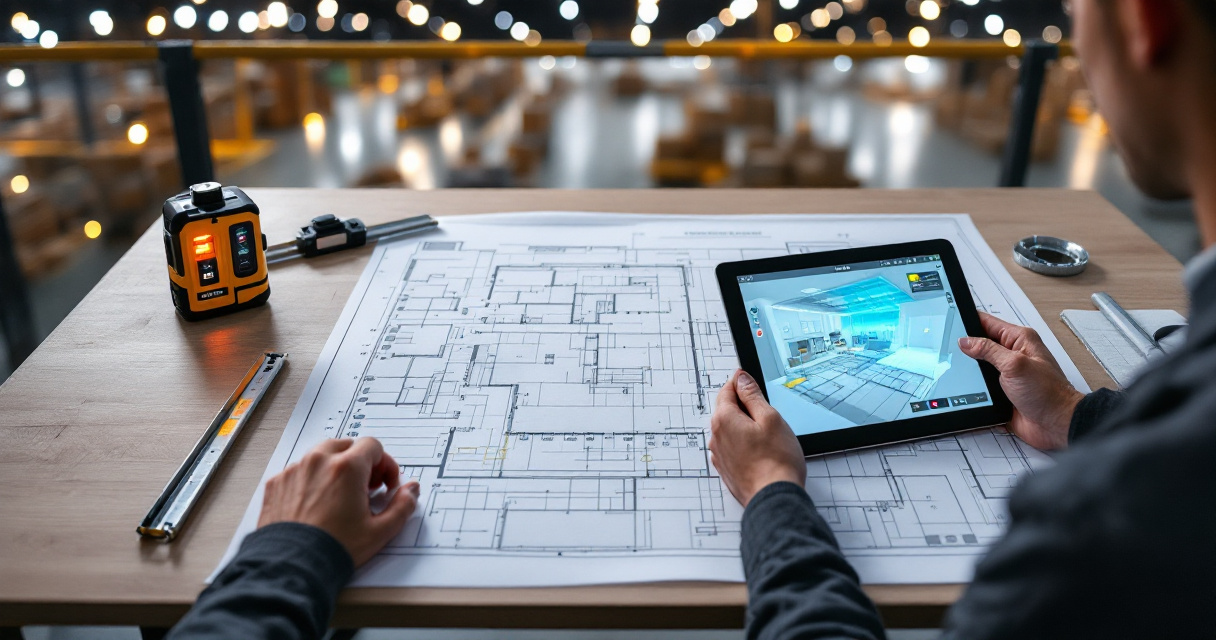
Choosing the correct quantity and placement of fixtures is critical. Too few lights leave dark zones between aisles; too many waste energy and increase installation costs.
Key Factors That Affect Lighting Layout
Lighting designers consider several variables when planning warehouse illumination:
- Ceiling height, determines beam angle and lumen output
- Aisle width and rack height, affects spacing between fixtures
- Reflective surfaces, bright floors or walls increase light efficiency
- Work tasks, picking and packing areas require higher brightness
Typical Lighting Planning Guidelines
| Ceiling Height | Typical Wattage Range | Common Fixture Spacing |
|---|---|---|
| 20–25 ft | 100–150W | 15–20 ft apart |
| 25–35 ft | 150–240W | 20–25 ft apart |
| 35–45 ft | 240–400W | 25–35 ft apart |
These ranges vary depending on the beam angle and brightness level required.
Practical Steps for Planning a Warehouse Lighting Upgrade
When upgrading to LED high bays, facility managers typically follow this process:
- Measure ceiling height and floor layout
- Identify task zones such as packing stations or loading docks
- Choose fixture type based on mounting options
- Calculate lumen requirements for each area
- Install test fixtures before completing large retrofits
Many buyers consult resources from The JQZ Lighting Journal to compare certified commercial fixtures, especially when ordering lighting systems in bulk.
What to Expect From Warehouse Lighting Technology Through 2027
LED lighting continues to evolve as warehouses adopt more automation and digital monitoring systems. Lighting infrastructure increasingly connects with building management platforms and sensor networks.
Smart Controls and Automation Integration
New installations often include motion sensors, daylight sensors, and wireless controllers. These systems automatically dim or switch off lights when aisles are empty.
Benefits include:
- Reduced energy consumption during low activity periods
- Longer LED lifespan due to reduced operating hours
- Improved visibility when sensors activate lighting instantly
Automated lighting networks also support predictive maintenance. Monitoring systems can track fixture performance and alert technicians before failures occur, an approach aligned with broader industrial equipment monitoring research described in the 2023 AI lifecycle study.
Efficiency Standards and Certified Fixtures
Many commercial projects now require lighting that meets UL or ETL safety certification and DLC efficiency listing. These certifications help verify electrical safety and energy performance for commercial buildings.
Certified fixtures also help building owners qualify for utility rebates in many regions, lowering the cost of large-scale lighting upgrades.
Distributors featured in The JQZ Lighting Journal frequently supply DLC-listed high bay fixtures designed to meet these efficiency programs while shipping quickly for construction timelines.
Conclusion
LED high bay lighting has become the standard solution for warehouse illumination because it improves visibility, reduces maintenance, and lowers energy use in large facilities. The right fixture type, wattage, and layout can dramatically improve productivity in storage aisles, shipping zones, and manufacturing areas.
If you are planning a warehouse lighting upgrade or specifying fixtures for a new build, review commercial-grade options through The JQZ Lighting Journal. The platform highlights certified LED lighting products designed for industrial environments, helping contractors and facility managers choose efficient systems with reliable supply and fast shipping.