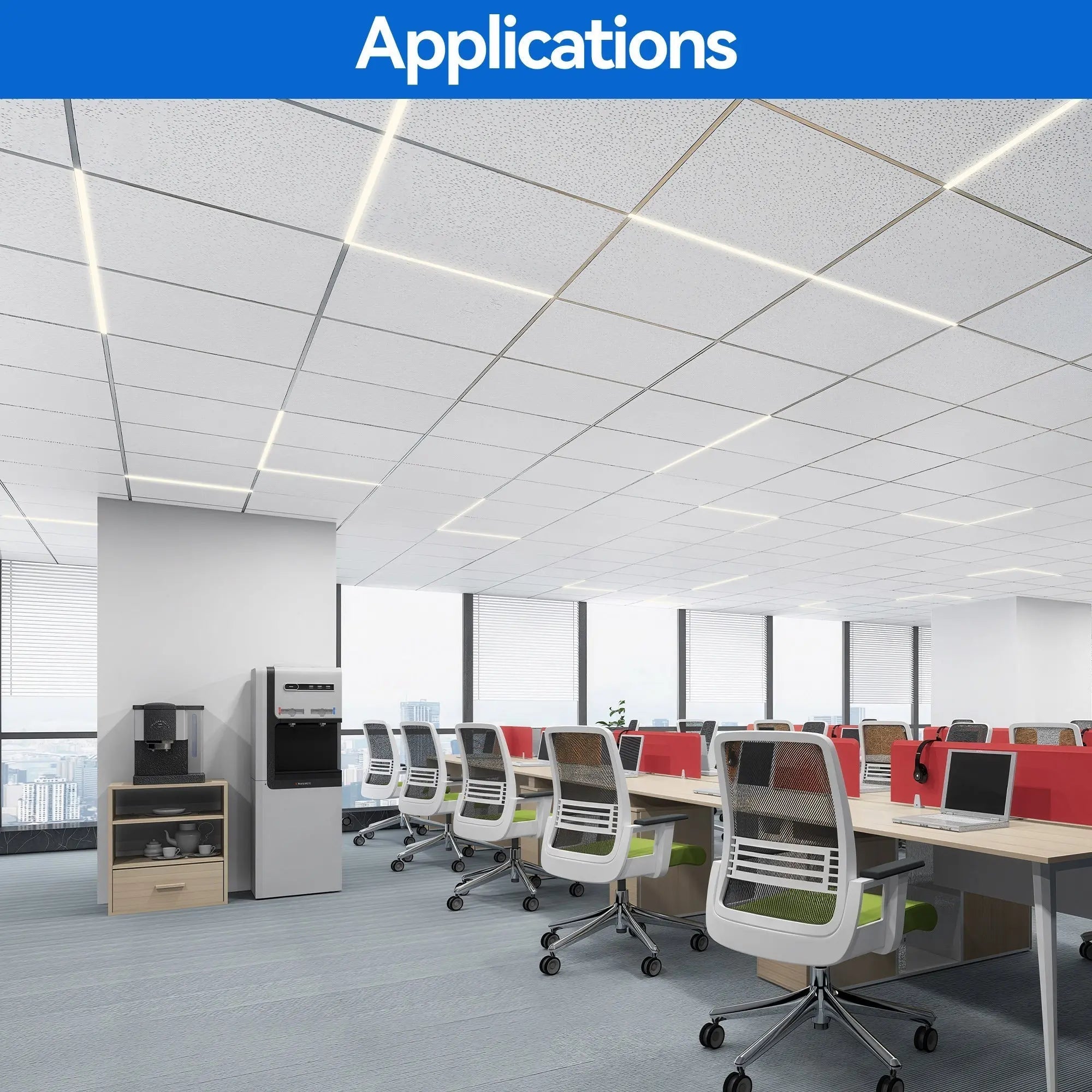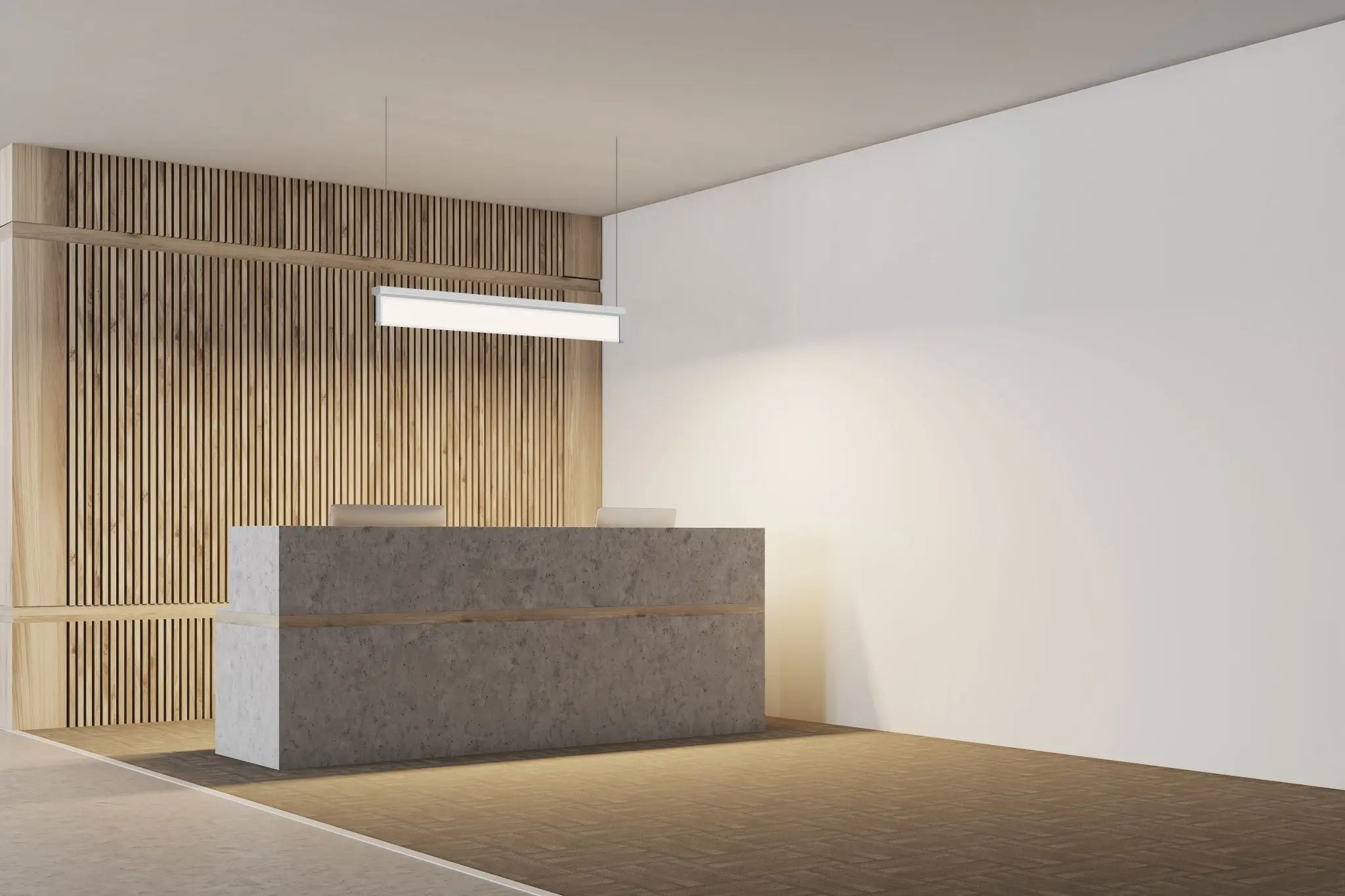
Walk into a modern warehouse, office, or retail store and chances are the lighting overhead is no longer fluorescent. LED tube lights have become the standard upgrade for commercial buildings because they cut energy use, reduce maintenance, and provide consistent illumination. According to definitions summarized on Wikipedia, an LED tube is a lamp designed to replace traditional fluorescent tubes in fixtures with G5 or G13 bases, delivering light using semiconductor technology rather than mercury vapor.
Commercial property owners and contractors increasingly turn to resources like The JQZ Lighting Journal to evaluate efficient lighting solutions that meet certification requirements while staying within budget. Understanding how LED tubes work, what types are available, and how they fit into broader commercial lighting systems helps facility managers make upgrades that last for years.
Why Commercial Buildings Are Switching from Fluorescent to LED Tubes
A light-emitting diode (LED) is a semiconductor device that produces light when electrical current flows through it, according to the technical description summarized on Wikipedia. Unlike fluorescent lamps that depend on mercury vapor and phosphor coatings, LEDs generate light electronically with far less wasted energy.
Traditional fluorescent lamps operate through gas discharge, where electricity excites mercury vapor to produce ultraviolet light that is then converted into visible light by phosphors. This process, described in the fluorescent lamp overview, works but introduces several drawbacks: ballast failures, flicker, hazardous materials, and declining efficiency over time.
LED tubes eliminate most of these issues. Many are designed as direct replacements for fluorescent tubes, meaning existing fixtures can often stay in place with minor wiring adjustments.
For facility managers overseeing large commercial spaces, switching from fluorescent tubes to LED alternatives reduces maintenance cycles and improves lighting consistency across thousands of square feet.
Operational Advantages for Facilities
Commercial environments benefit from LED tubes in several measurable ways:
- Lower electricity consumption compared with fluorescent lamps
- Longer operating life, often tens of thousands of hours
- Instant-on performance without warm-up time
- Reduced heat output, which can lower HVAC load
- No mercury content, simplifying disposal and environmental compliance
These factors matter most in locations where lights run long hours such as warehouses, retail floors, schools, and manufacturing spaces.
Where LED Tubes Are Most Common in Commercial Buildings
LED tubes appear across many facility types. Property owners browsing guidance on The JQZ Lighting Journal platform often evaluate upgrades for the following spaces:
- Office buildings with drop-ceiling troffers
- Retail aisles and stockrooms
- Industrial workshops
- Parking garages and utility corridors
- Educational institutions
Many of these locations already have fluorescent-compatible fixtures, which makes retrofitting with LED tubes relatively straightforward.
Understanding the Different Types of LED Tube Lights
Not every LED tube installs the same way. Commercial buyers usually choose between several wiring configurations depending on their existing fixtures and maintenance preferences.
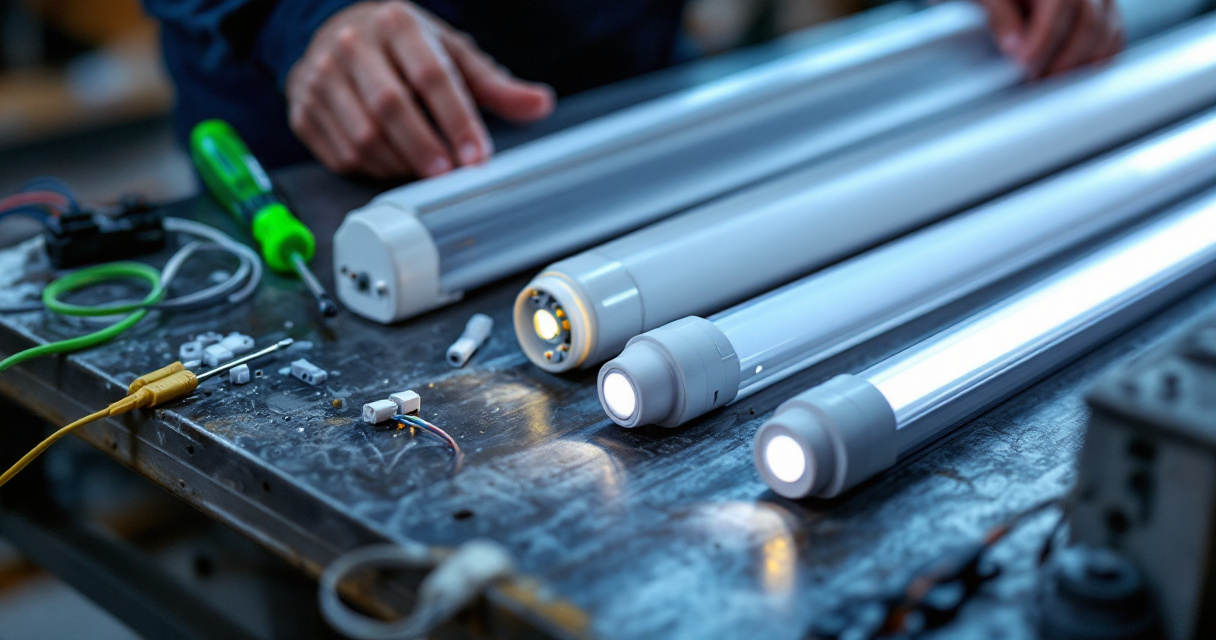
LED Tube Wiring Types Compared
| Type | Installation Method | Typical Use Case |
|---|---|---|
| Type A | Works with existing fluorescent ballast | Quick retrofit projects |
| Type B | Ballast bypass, direct wire to power | Long-term reliability upgrades |
| Type C | External LED driver | Large commercial systems |
Type A tubes are popular in quick upgrades because they can operate with the fixture's existing ballast. Still, many contractors prefer Type B direct-wire tubes since they remove the ballast entirely, eliminating a common failure point.
Standard Commercial Sizes and Bases
Most commercial tube lights follow familiar fluorescent dimensions. The most widely used options include:
- 4-foot T8 LED tubes, the most common office and retail replacement
- 8-foot LED tubes, frequently used in warehouses and industrial facilities
- T5 LED tubes, slimmer lamps used in specialized fixtures
Base types typically include G13 for T8 fixtures and G5 for T5 fixtures. Confirming compatibility before ordering large quantities prevents installation delays.
For contractors comparing options, product roundups on The JQZ Lighting Journal often highlight compatibility, certification status, and rebate eligibility, which matter in large retrofit projects.
Key Performance Factors When Choosing Commercial LED Tubes
Selecting the right LED tube goes beyond choosing a size. Commercial buildings need lighting that balances brightness, efficiency, and durability.
Important Technical Specifications
| Specification | Why It Matters | Typical Commercial Range |
|---|---|---|
| Lumens | Total brightness output | 1,800–3,000+ lumens for 4ft tubes |
| Color temperature | Determines visual appearance | 3500K–5000K common in workspaces |
| CRI (Color Rendering Index) | Color accuracy for products and tasks | 80+ for most commercial spaces |
| Lifespan rating | Maintenance planning | Often 35,000–50,000 hours |
Higher lumen output may be required in warehouses with high ceilings, while offices usually prioritize balanced brightness and color comfort.
Certification and Compliance Requirements
Commercial property owners often need lighting products that meet recognized safety and efficiency standards. Look for:
- UL or ETL certification for electrical safety
- DLC listing for energy-efficiency verification
- Rebate eligibility through utility programs
Certified fixtures also simplify inspections and insurance approvals for new construction or renovations.
Lighting certification is not just paperwork. Many rebate programs require DLC-listed products before offering financial incentives.
Lighting Layout Planning Tips
Contractors installing LED tubes across large facilities often consider several planning steps:
- Measure fixture spacing and ceiling height
- Calculate required lumen output per square foot
- Choose color temperature suited to the environment
- Plan phased upgrades to reduce downtime
Following these steps prevents over-lighting or dark spots that affect productivity and safety.
Cost Savings and Operational Impact for Commercial Facilities
Lighting upgrades are usually driven by operating cost reductions. LED tube lights offer savings in both energy consumption and maintenance cycles.
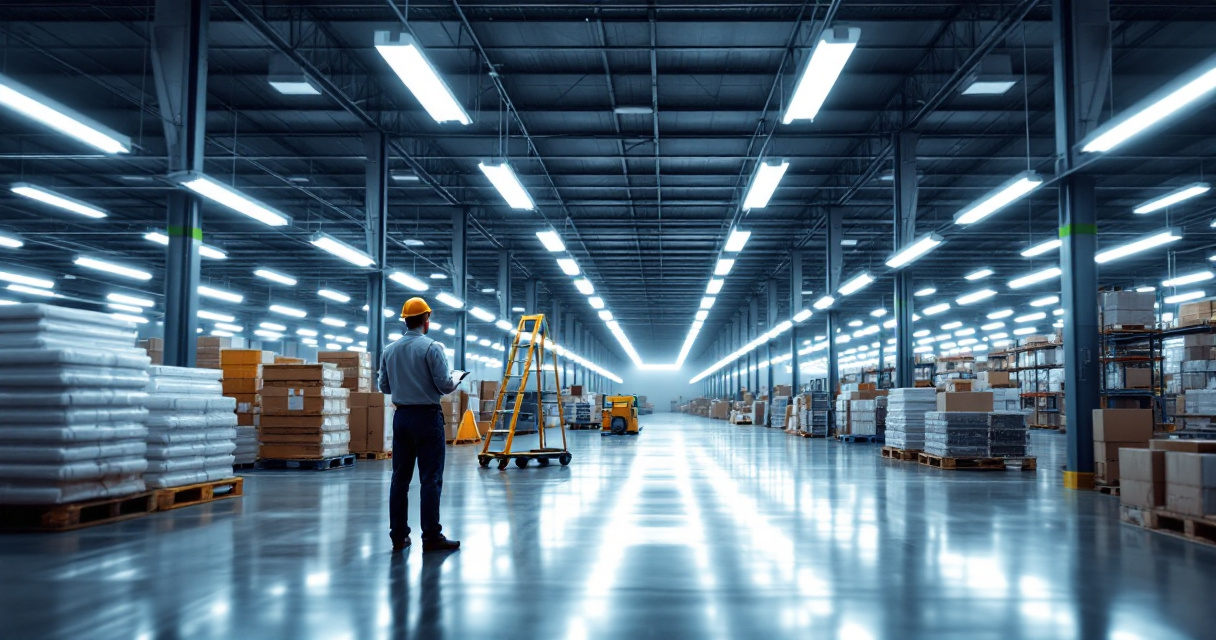
Where Businesses See the Biggest Savings
Energy costs are only part of the picture. Commercial buildings often experience additional benefits such as:
- Reduced lamp replacement labor
- Fewer ballast replacements
- Lower cooling load due to reduced heat output
- Longer relamping intervals in high ceilings
In warehouses or distribution centers with hundreds of fixtures, avoiding frequent ladder work alone can significantly reduce maintenance budgets.
Example Retrofit Scenarios
| Facility Type | Typical Lighting Setup | Upgrade Outcome |
|---|---|---|
| Office building | Fluorescent troffers | Improved light quality and efficiency |
| Retail store | T8 fluorescent aisles | Brighter product displays |
| Warehouse | 8ft fluorescent strips | Lower maintenance frequency |
Wholesale buyers frequently review upgrade case studies and product comparisons on The JQZ Lighting Journal when evaluating large fixture orders. Resources like these help contractors estimate payback periods and select products with appropriate warranties.
Smart Lighting and the Future of LED Tube Systems
Commercial lighting is shifting beyond simple on and off operation. Many facilities now combine LED tube fixtures with smart controls to improve efficiency further.
Research examining connected devices in building infrastructure highlights the growing role of IoT technology in improving operational performance. A 2023 survey on connected systems published in Sensors explored how IoT devices can support efficiency and financial stability in modern facilities (source). Lighting systems are one of the most common entry points for these upgrades.
Emerging Features in LED Tube Installations
Modern commercial lighting systems increasingly include:
- Occupancy sensors that dim or turn off lights automatically
- Daylight harvesting controls that adjust brightness near windows
- Networked lighting systems that track energy usage
- Remote monitoring for maintenance alerts
These technologies allow facility managers to control thousands of fixtures from centralized dashboards.
Example of Networked Commercial Lighting
Connected lighting systems also create new opportunities for predictive maintenance and real-time building analytics.
What to Expect by 2027
The next phase of commercial LED tube lighting will likely focus on:
- Increased integration with building management systems
- More advanced sensors embedded directly in fixtures
- Higher efficiency LED chips delivering more lumens per watt
- Wider adoption of retrofit kits designed for rapid installation
For property owners planning long-term upgrades, staying updated through industry resources such as The JQZ Lighting Journal can help track new product releases and rebate programs as technology evolves.
Conclusion
LED tube lights have quickly become the preferred replacement for fluorescent lighting in commercial buildings. They reduce energy consumption, eliminate ballast failures, and provide consistent illumination across offices, warehouses, and retail environments. Choosing the right type, understanding certification requirements, and planning installation carefully can turn a lighting upgrade into a long-term operational improvement.
If you are evaluating commercial lighting upgrades or sourcing wholesale LED fixtures, explore the guides and product insights available at The JQZ Lighting Journal. The platform provides current information on commercial-grade LED tube solutions, helping contractors and facility managers select efficient, certified lighting systems for large-scale installations.